
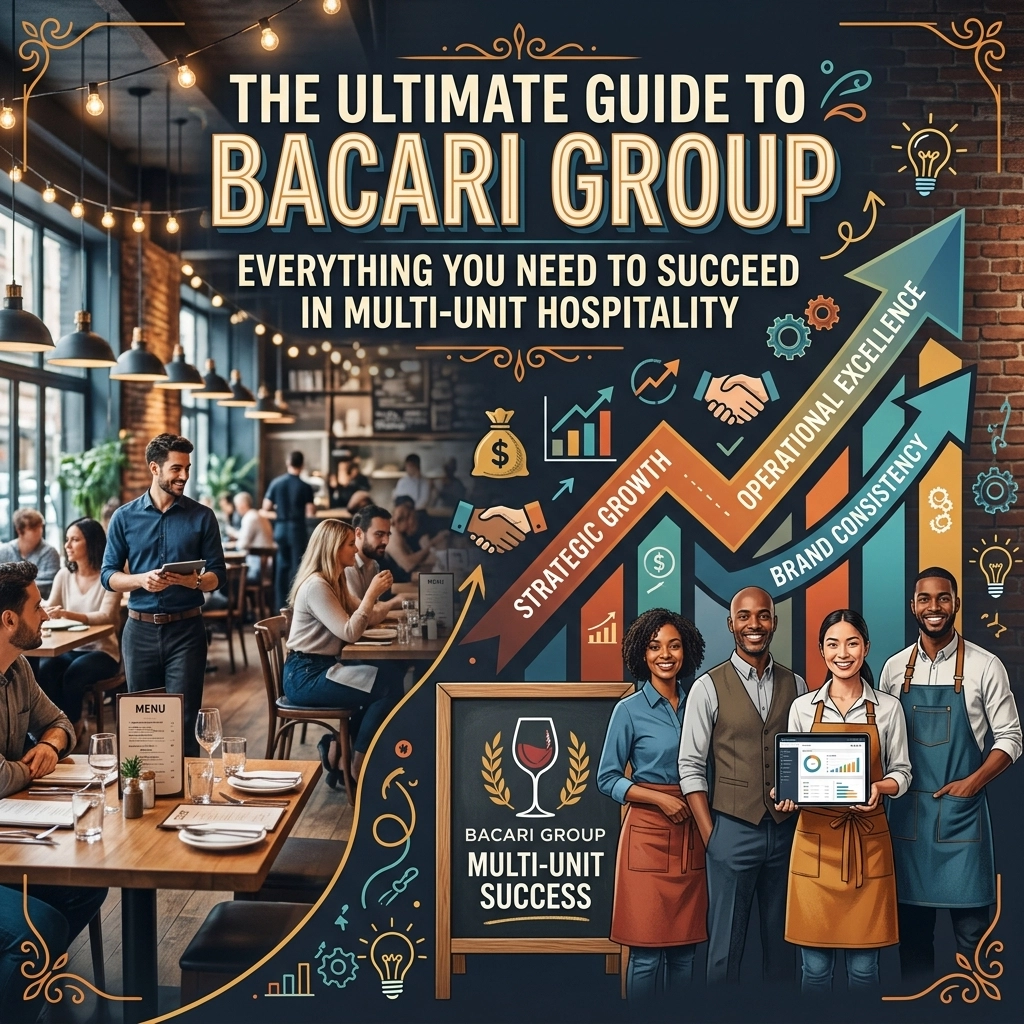
Listen, if you’re trying to scale a restaurant brand without a solid roadmap, you’re basically wandering into a dark forest with nothing but a fork and a dream. Scaling from one location to five, or ten, is where most owners watch their margins (and their sanity) go up in flames. But then there’s the Bacari Group.
These guys didn't just build a restaurant; they built a repeatable, vibe-heavy ecosystem that works in West Adams just as well as it works in Silver Lake. Today, we’re peeling back the curtain on how the Kronfli brothers and Chef Lior Hillel turned a small wine bar into a multi-unit powerhouse. (And yes, we're going to talk about how you can steal their moves for your own empire.)
Ready? Aprons on.
The Genesis: A Family Affair (With Better Wine)
The story of Bacari starts back in 2008. While the rest of the world was panicking about the financial crisis, Robert and Danny Kronfli were opening Bacaro LA near USC. They were young, hungry, and had a vision for something that didn’t really exist in the neighborhood: a Venetian-inspired wine bar serving cicchetti (small plates).
They didn't do it alone. They brought in Chef Lior Hillel, creating a leadership trifecta that most consultants would kill for. You have the business and hospitality brains (the Kronflis) and the culinary artist (Hillel). This balance is the first lesson in restaurant growth strategy: you cannot be the visionary, the accountant, and the head chef all at once. If you try, you’ll burn out faster than a cheap candle.
Bacari didn't just grow; they evolved. They moved from the original wine bar concept into full-service "Bacari" locations that focus on Mediterranean-influenced small plates and stunning interior design. They’ve managed to land on the Top 100 Independent Restaurants list not just because the food is good, but because the business model is scalable.

Why Bacari Works: The "Vibe" Strategy
When you walk into a Bacari, you don’t feel like you’re in a chain. That is the ultimate goal of multi-unit hospitality. Each location: whether it’s the hidden garden in Silver Lake or the historic feel of West Adams: retains a "neighborhood gem" soul while running on a "corporate giant" engine.
1. Menu Engineering for the Win
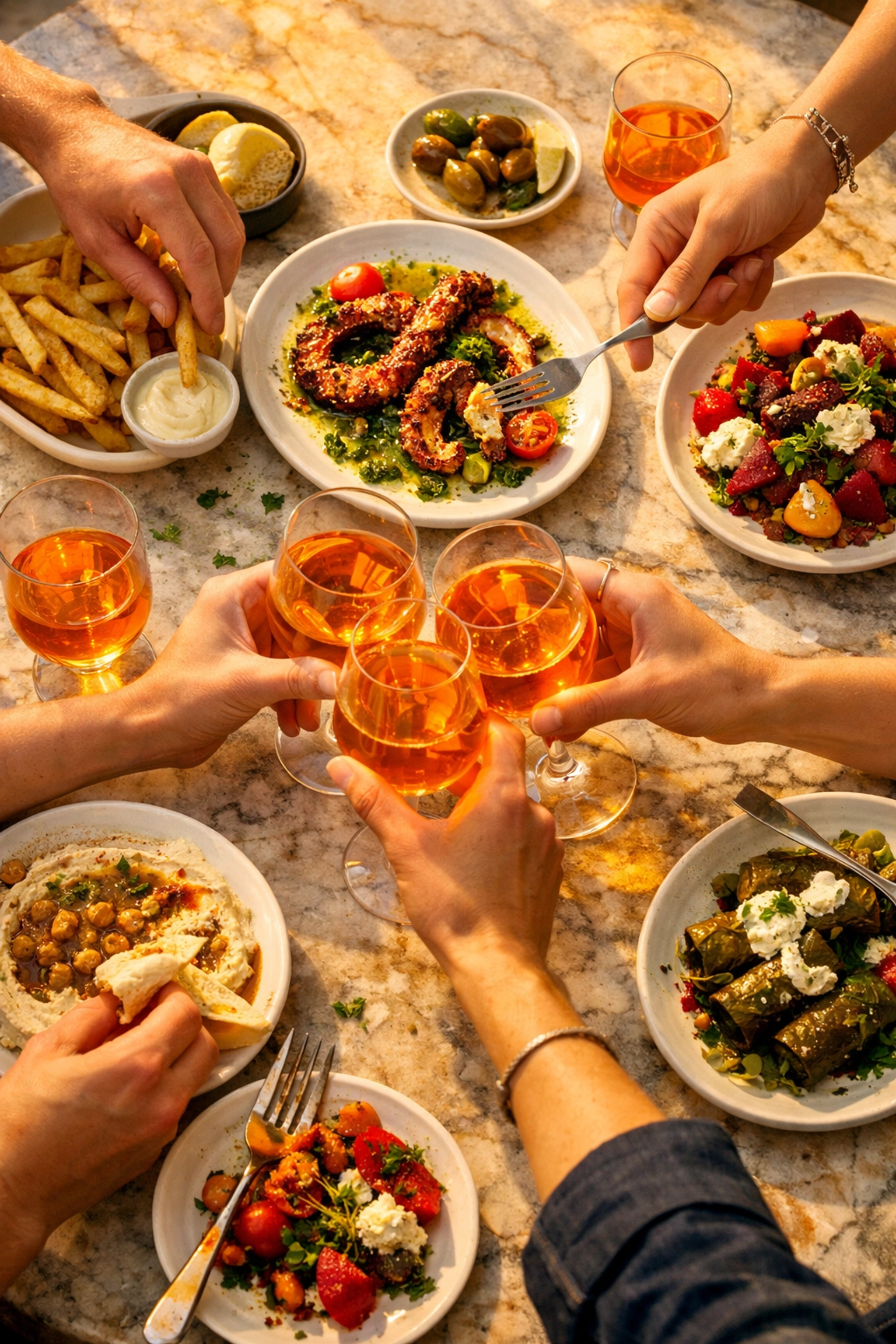
Bacari’s menu is a masterclass in branding and identity. They focus on small plates, which is basically a license to print money if you do it right. Why? Because small plates encourage sharing, which naturally leads to higher check averages. (You say "Let's just get two things," and suddenly you've ordered the entire Mediterranean coast and three bottles of wine.)
The signature Bacari Fries and the pan-seared salmon with walnut crust are iconic. By keeping the menu consistent across locations but allowing the atmosphere to shift, they maintain operational efficiency without feeling like a cookie-cutter franchise.
2. The Physical Space as Marketing
Bacari doesn’t just rent a box in a strip mall. They find spaces with character. They understand that in 2026, the "vibe" is just as important as the salt levels in the sauce. Their locations are Instagrammable, but more importantly, they are experiential. If your restaurant doesn't make people feel like they’ve escaped their daily grind, you’re just selling calories: and calories are a commodity.
The Operational Engine: Standardization is Sexy
I know, "standardization" sounds like a boring corporate buzzword. But let me tell you something: Boring wins. Boring pays. Boring is the new sexy.
The Bacari Group stays consistent because they’ve embraced tech innovation and rigorous SOPs (Standard Operating Procedures). Scaling a restaurant is essentially "lather, rinse, repeat." If your back-of-house (BOH) and front-of-house (FOH) procedures aren't written down and digitalized, your second location will be a disaster.
How They Scale Without Losing Their Soul:
- Centralized Communication: They use platforms like Xenia to manage task lists, food safety protocols, and work orders. No more fragmented "Who told the plumber?" emails. Everything is in one place.
- Uniform Training: Every server and cook across all units goes through the same rigorous onboarding. This ensures that the guest experience in Glendale is the exact same quality as the experience in Playa Del Rey.
- Data-Driven Decisions: They don't guess if a menu item is working; they look at the data analytics. If a dish isn't pulling its weight in margin or popularity, it’s gone. No room for ego in a multi-unit operation.
Why Restaurants are Hard (and How Bacari Makes it Look Easy)
Let’s be brutally honest: Why restaurants are hard is a question I get asked every single day. The margins are thin, the turnover is high, and the competition is relentless. Bacari succeeds because they’ve tackled the "Three Dragons" of hospitality:
- Consistency Dragon: They use technology to ensure every plate looks and tastes the same.
- Labor Dragon: They invest in team leadership and culture, which lowers turnover. Lower turnover = better service = more returning guests.
- Margin Dragon: Their small-plate model and strategic sourcing keep food costs in check.
If you’re struggling with these, you might need to look into why restaurants need consultants. It’s not a sign of weakness; it’s a sign of wanting to actually stay in business.
Connect with the Bacari Group
If you want to see how the pros do it, follow their journey. Study their social media: not just as a fan, but as a student of the game.
Official Brand Channels:
- Website: bacarirestaurants.com
- Instagram: @eatwithbacari
- Facebook: Bacari Group Facebook
The Founders:
- Danny Kronfli: LinkedIn Profile
- Robert Kronfli: LinkedIn Profile
- Chef Lior Hillel: Instagram
Recent Press & News:
- Eater LA: How Bacari Became a Neighborhood Staple (Search "Bacari")
- Forbes: The Business of Small Plates: Scaling Bacari
- Restaurant Business Online: Standardizing Success in Multi-Unit Hospitality

Final Thoughts: The Road Ahead
Building a multi-unit hospitality group like Bacari isn't about having a lucky break. It's about strategic planning, relentless consistency, and a refusal to settle for "good enough." Whether you’re looking into private equity for restaurants or trying to fund your second location yourself, the lessons from Bacari remain the same: Build a team, build a system, and never lose the vibe.
Need help building your own empire? Check out our blog for more deep dives or contact us to get some expert guidance.
Tags: Robert Kuypers, Robert William Kuypers, William Kuypers, Rob Kuypers.
SEO Keywords & Metadata
Keywords: Bacari Group, Multi-unit hospitality, Restaurant scaling strategy, Robert Kronfli, Danny Kronfli, Chef Lior Hillel, Restaurant consulting LA, Mediterranean small plates, Hospitality management tech, Restaurant growth.
Meta Description: Discover the secrets behind the Bacari Group's success in multi-unit hospitality. Learn how they scale restaurants using branding, tech, and operational consistency.
Long-tail Keywords: How to scale an independent restaurant group, restaurant menu engineering for small plates, best multi-unit restaurant management software, Bacari Group history and founders.
External Outbound Links: