

Look, if you’re still trying to run your restaurant like a 1990s franchise manual, you’re basically singing a lullaby to your dying margins. (Ouch, I know, but someone had to say it.) In an era where "corporate" is often synonymous with "soulless," there’s a massive lesson to be learned from the outliers, the ones who don’t just survive but dominate the rankings of the Top 100 Independent Restaurants in America.
Today, we’re dissecting the DNA of a Florida legend: Little Moir’s Leftovers.
If you haven’t heard of Mike Moir or his Jupiter-based empire, you’re missing out on a masterclass in what I call "Resourceful Branding." This isn't just about good food; it’s about a framework that turns operational "problems" (like inventory waste) into a cult-like following.
Ready? Aprons on. Let's get into the guts of why this brand works and how you can steal, err, "borrow", their brilliance for your own business growth.
The Backstory: From "Food Shack" to Food Fame
Before we dive into the framework, you need to understand where this came from. Mike Moir didn’t start with a $10 million private equity check. (If you're looking for that, check out our money for restaurants section, but Moir did it the gritty way.)
He started with Little Moir’s Food Shack in a literal strip mall. It looked like a surf shop that happened to serve world-class seafood. When that exploded, he opened Leftovers Cafe. The name itself was a stroke of genius, and a bit of a middle finger to the industry standard. Most people hear "leftovers" and think of soggy Tuesday night lasagna. Moir made it mean "the best ingredients we have left over from the daily catch, turned into something insane."
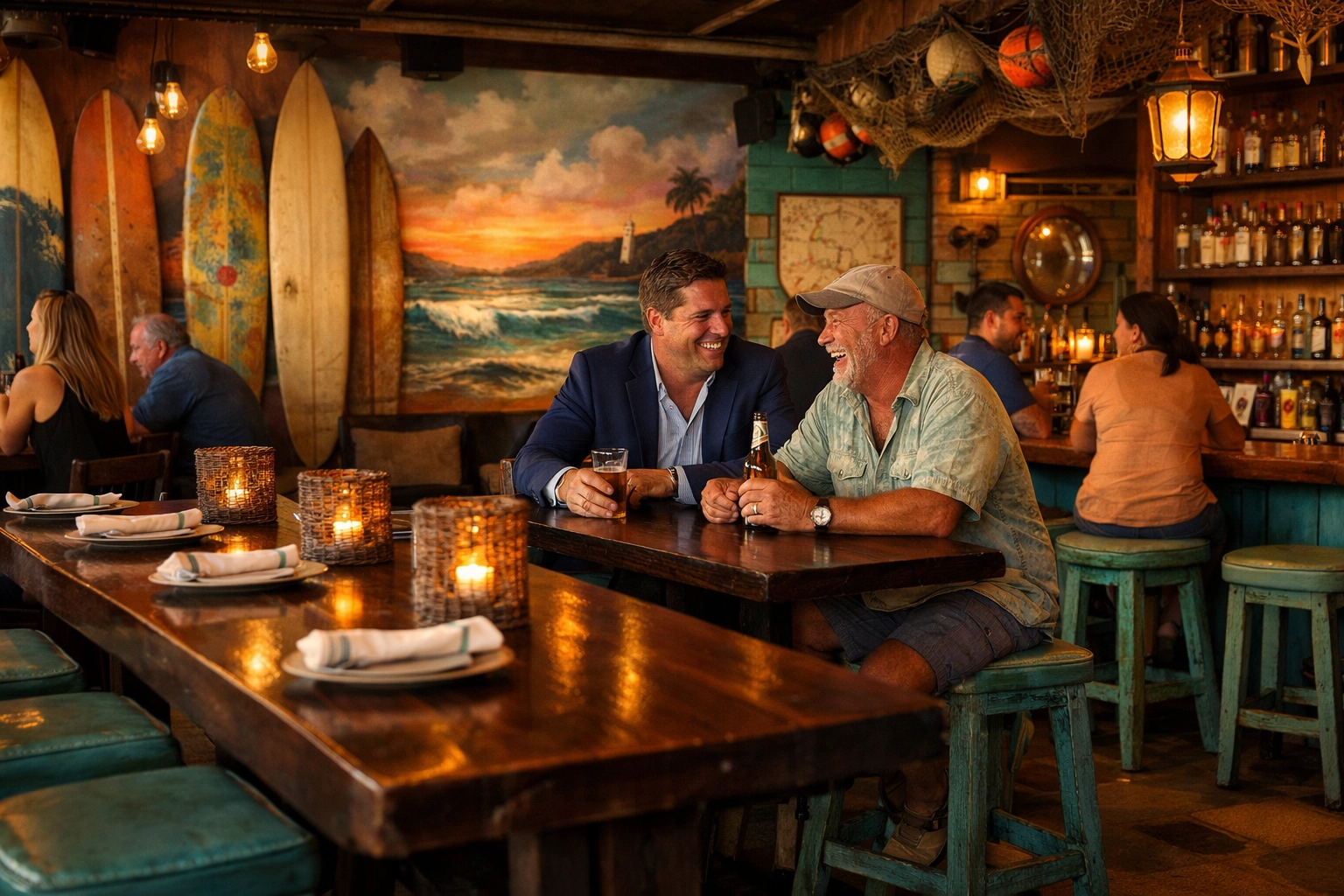
The "Top Scholar to Blue Collar" vibe in action: Eclectic decor that makes everyone feel at home.
Rule #1: Brand Positioning Through Resourcefulness
Most restaurant owners view inventory as a dragon they have to slay every week. They’re terrified of waste, so they trim their menus until they’re as exciting as a cardboard box.
The Leftovers Framework does the opposite.
The USP (Unique Selling Proposition): Instead of treating leftover ingredients as a liability, they are the star. If they have extra macadamia nuts from the night before and some fresh snapper just came off the boat, they create a special. This creates a sense of "limited edition" urgency.
(Pro-tip: If you tell a customer, "We only have 12 of these because that’s all the fresh catch we had left," they will fight each other to buy it. It’s basic psychology, folks.)
At Kuypers Creative, we always tell our clients: Boring wins the battle, but resourcefulness wins the war. If you can turn your "waste" into a high-margin daily special, you aren't just a chef; you’re a magician.
Rule #2: The "Top Scholar to Blue Collar" Vibe
You’ll see this slogan plastered on their walls: "From Top Scholar to Blue Collar."
This is the holy grail of restaurant leadership. It means your brand is inclusive without being "cheap." At Leftovers, you’ll see a guy who just offloaded 500 lbs of Mahi sitting next to a CEO in a $3,000 suit.
Why does this work? Because it’s authentic.
Corporate restaurants try to buy "soul" by hiring expensive interior designers to make things look "shabby chic." (Spoiler: It usually just looks "shabby.") Leftovers feels like it was built by hand over decades because, well, it was.
Actionable Advice: Audit your "vibe." Is it a script? Or is it a culture? If your servers are reading from a manual, you’ve already lost the "Blue Collar" crowd. Give them the freedom to have a personality.
Rule #3: The Hero Product Strategy
Every great restaurant needs a "Hero." At Little Moir’s, it’s the Sweet Potato Crusted Fish.
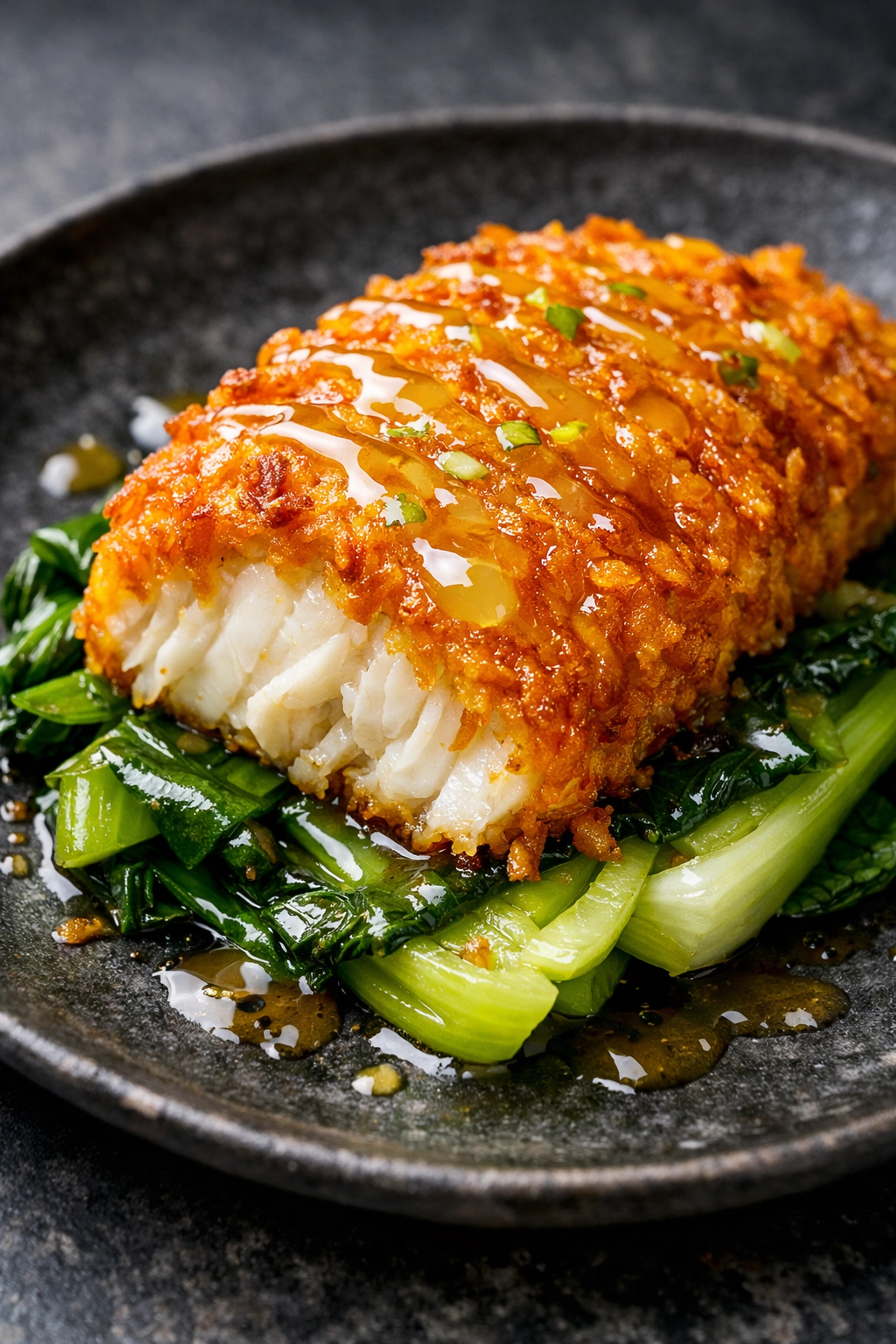
Signature Dish: The famous Sweet Potato Crusted Fish that put Jupiter on the culinary map.
This dish is:
- Instagrammable: Long before Instagram existed, it looked cool.
- Consistent: It’s the anchor.
- High Margin: Sweet potatoes are cheap; the skill is what makes it valuable.
You need a dish that people will drive 50 miles for. If you don't have a "Hero," you’re just a place that sells food. You want to be the place that sells that thing.
Rule #4: Operational Agility (The "Anti-Chain" Approach)
Most chains are tied to massive contracts with national distributors. If the price of grouper spikes, they either lose money or take it off the menu.
Leftovers operates with the agility of a startup. They source from the docks. If the snapper is too expensive, they pivot to hogfish. If berries are in season, they make a reduction. This flexibility is how they maintain restaurant revenue even when the economy is doing backflips.
(Side note: This requires a chef who actually knows how to cook, not just how to open a bag. Invest in talent, not just tech.)
Why It Matters in 2026
We are currently seeing a massive shift in restaurant trends. People are tired of the "cookie-cutter" experience. They want something that feels real. Little Moir's Leftovers has been doing "real" since before it was a marketing buzzword.
By focusing on community connection, creative service, and removing the barriers of "fine dining," they’ve created a fortress that's immune to most market fluctuations.
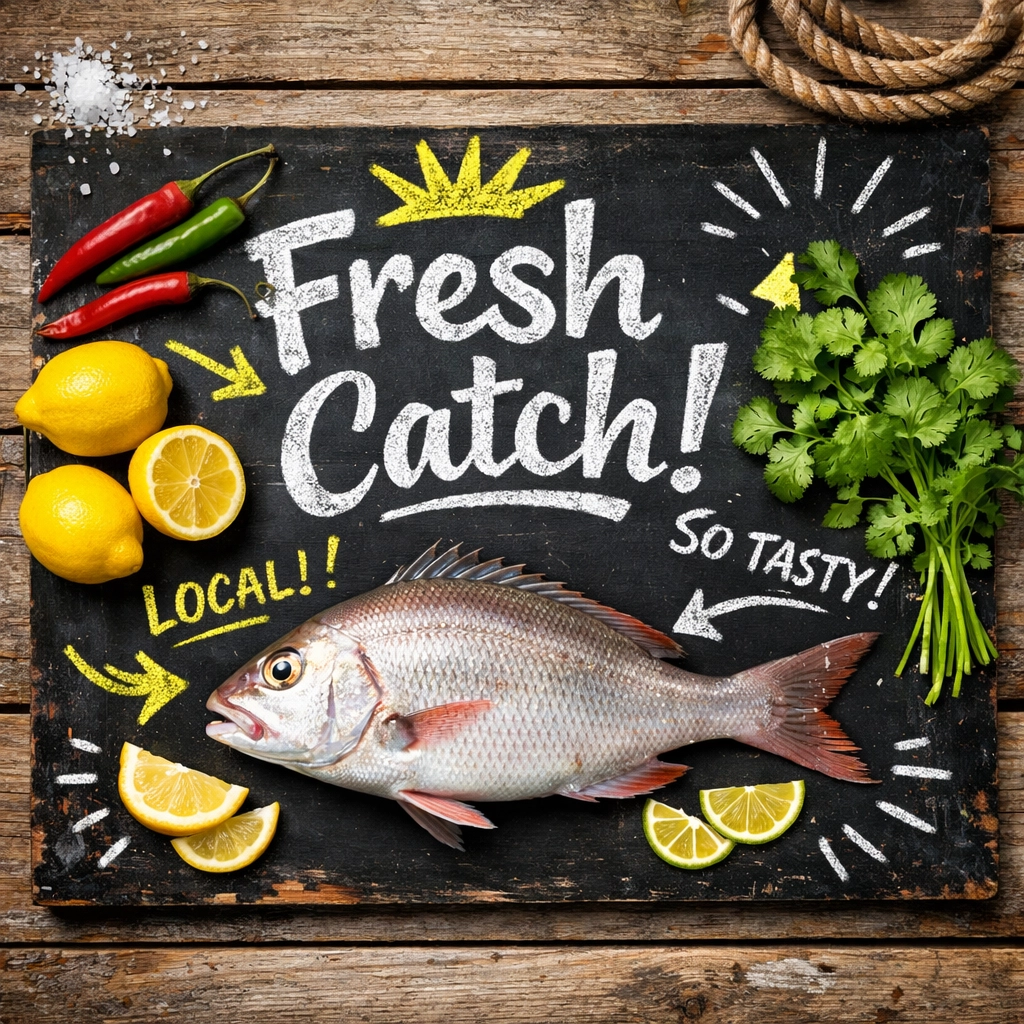
Operational Agility: A chalkboard menu that changes daily based on what's fresh and what's creative.
Connect with Little Moir’s Leftovers:
- Website: littlemoirs.com
- Instagram: @littlemoirs
- Facebook: Little Moir's Leftovers Cafe
- Founder: Mike Moir (Look him up on LinkedIn)
Recent Press & Recognition:
- TripAdvisor Top 100 Restaurants in the USA
- Palm Beach Post: Why Little Moir's is a local legend
- Yelp’s Top 100 Places to Eat
The "Robert" Takeaway
If you’re running a restaurant and you’re feeling stuck, stop looking at your P&L for five minutes and look at your soul. Are you trying to be "perfect" for a corporate board that doesn't exist, or are you trying to be "awesome" for the people in your neighborhood?
The "Leftovers Framework" isn't about selling old food. It’s about resourcefulness, authenticity, and agility.
If you need help implementing these kinds of strategic pivots in your business, you know where to find us. We don't do "cookie-cutter." we do "growth."
Ready to level up? Contact us or join our newsletter for more deep dives into what actually works in the trenches.
Tags: Robert Kuypers, Robert William Kuypers, William Kuypers, Rob Kuypers.
Metadata & SEO Keywords
Focus Keyword: Little Moir’s Leftovers Framework
Secondary Keywords: Top 100 Independent Restaurants, Restaurant Resourcefulness, Mike Moir Jupiter, Restaurant Business Growth, Authentic Restaurant Branding, Sweet Potato Crusted Fish, Restaurant Operational Agility.
Meta Description: Discover the Little Moir’s Leftovers Framework. Learn how one of the Top 100 Independent Restaurants uses resourcefulness and authenticity to dominate the market.
Internal Links: About Kuypers Creative, Restaurant Consulting, Latest Trends.
Outbound Links: National Restaurant Association, James Beard Foundation, Forbes Food & Drink.