
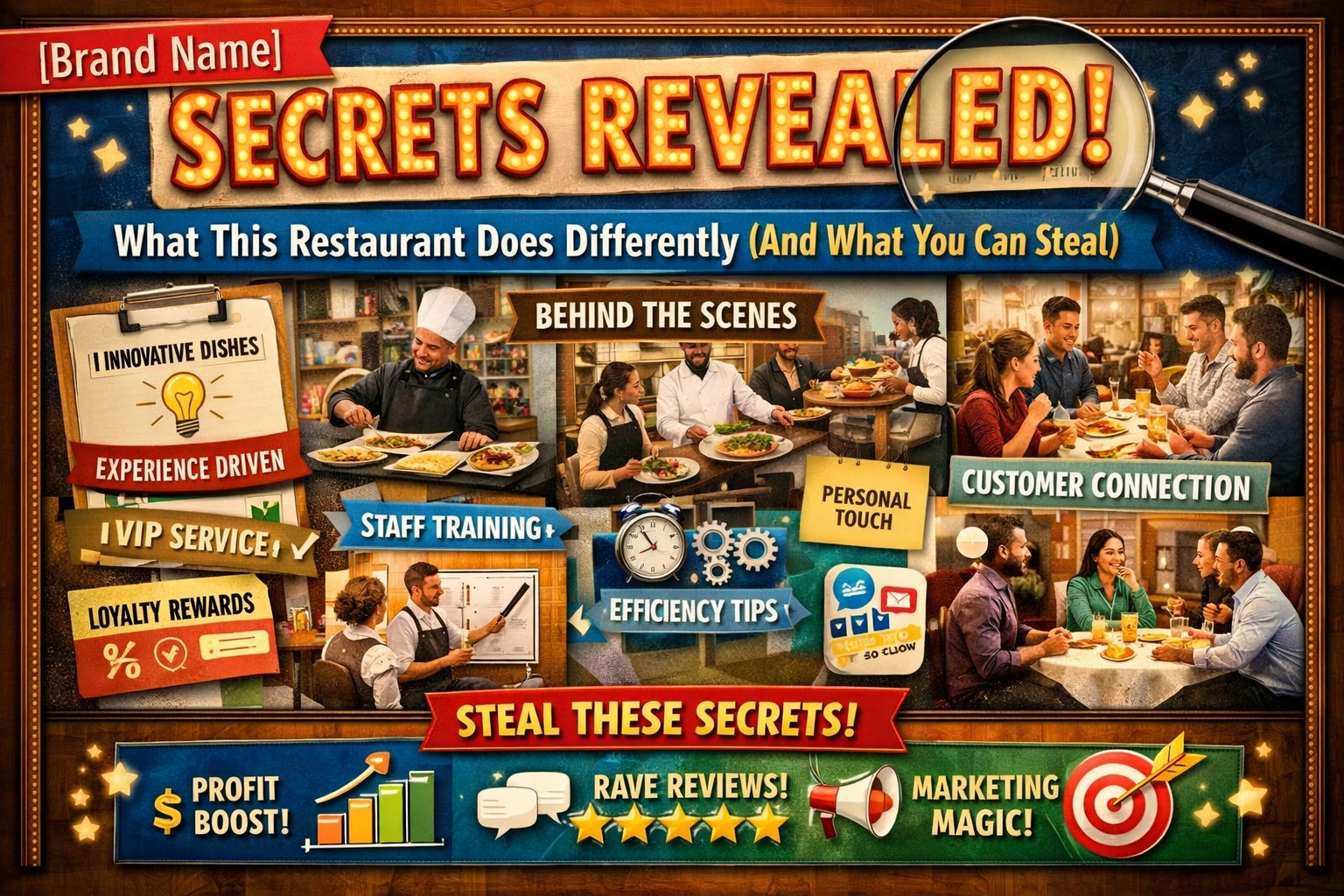
Look, I'm tired of restaurant owners telling me they need to "stand out" and then proceeding to copy the exact same playbook as every other restaurant on the block. You want to know what actually works? Let's talk about Bacari.
Never heard of them? That's kind of the point. They're not blowing millions on marketing. They're not on every corner. But they've built a cult following in Los Angeles that most chain restaurants would kill for, and they did it by breaking basically every "rule" the big guys follow.
The Bacari Origin Story (Or: How Two Guys Said "Screw It" to Convention)
Bacari started in 2013 when partners Dave Reiss and Seth Greenberg opened their first location in Playa del Rey, California. These guys weren't trying to build an empire. They wanted to create neighborhood wine bars with solid small plates that didn't require a second mortgage to enjoy.
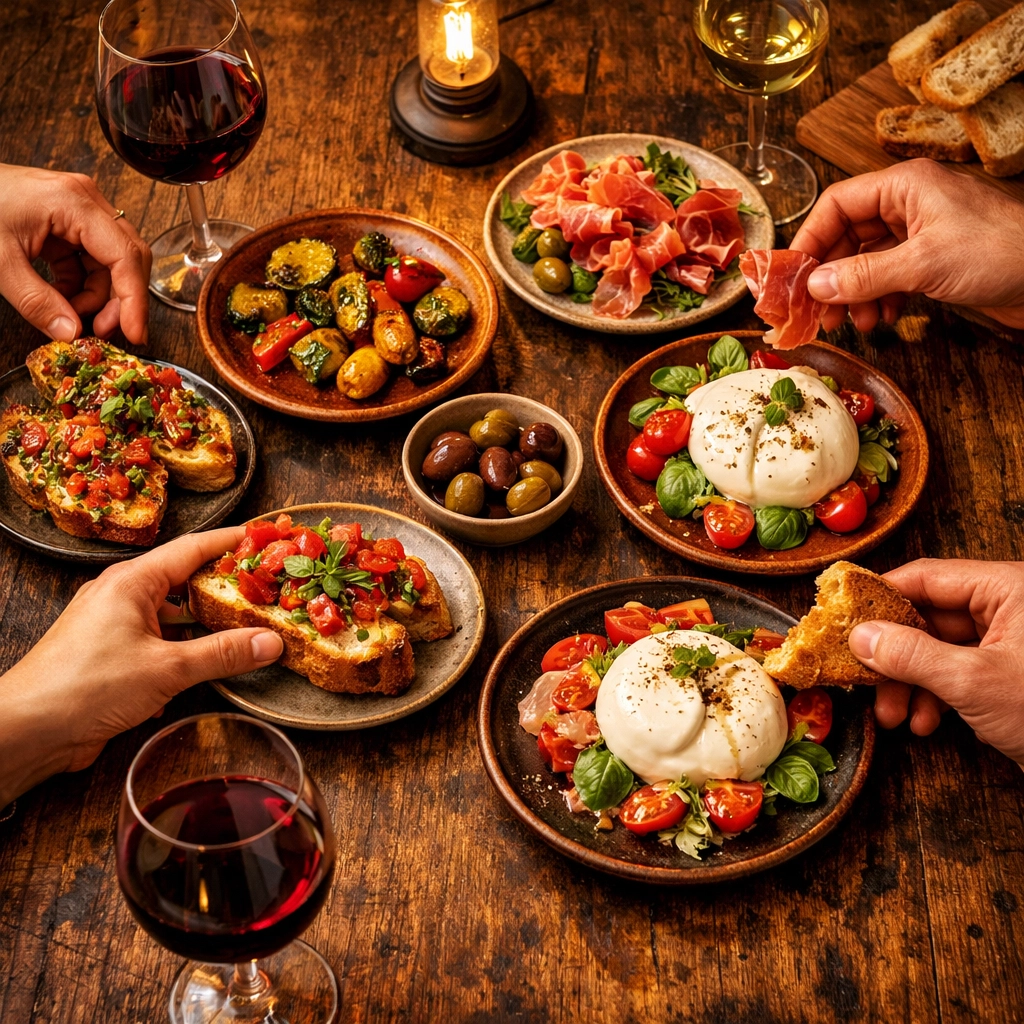
The name "Bacari" comes from the Venetian tradition of small bars serving cicchetti (Italian tapas). But here's where it gets interesting, instead of trying to be authentically Italian or perfectly LA or whatever identity crisis most restaurants have, they just… made good food and wine accessible.
They now have five locations across Los Angeles: Playa del Rey, Glendale, Silverlake, PDR (a second Playa del Rey spot), and West Adams. Each location has its own vibe but maintains the core concept. No venture capital. No private equity overlords. Just slow, strategic growth.
What Makes Bacari Actually Different (The Stuff You Should Copy)
1. They Killed the Traditional Menu Structure
Walk into most restaurants and you see the same boring categories: Appetizers, Entrees, Desserts. Bacari said "nah" and went all-in on shareable small plates. Everything is designed for groups to order multiple dishes and share.
Why this works: Lower food costs, higher ticket averages, and faster table turns. When everything is shareable, guests order more items. Math is simple, six people ordering three plates each at $14 beats six people ordering one $24 entree each. ($252 vs $144, for those playing at home.)
What you can steal: You don't need to go full small plates, but create a menu section dedicated to shareable items priced strategically. Make it the first thing people see. Train servers to suggest them immediately.
2. Wine Program That Doesn't Intimidate
Most wine bars either go pretentious (here's a $200 bottle from a vineyard you've never heard of) or basic (here's our house red). Bacari hit the sweet spot, curated but accessible, with bottles ranging from $30-$80 and an extensive by-the-glass program.
Their wine list focuses on lesser-known varietals and regions, which means better margins (you're not competing with Total Wine pricing) and you educate customers without being condescending.
What you can steal: Partner with wine distributors who specialize in boutique labels. Your guests don't know what they don't know, so curate confidently. Train your staff to tell stories about the wine, not just rattle off tasting notes. "This winemaker is a 70-year-old woman who still stomps grapes" beats "notes of blackberry and oak" every single time.
3. The Neighborhood Anchor Strategy
Here's what Bacari didn't do: Open in high-rent shopping centers or tourist traps. They specifically targeted residential neighborhoods where locals were craving a third place between home and work.
Playa del Rey? Residential beach community. Silverlake? Hipster neighborhood. West Adams? Emerging area that needed a quality restaurant. Each location became the neighborhood spot, where you go for Tuesday date night, Friday happy hour, and Sunday brunch.
What you can steal: Stop chasing foot traffic. Start chasing regulars. If you can become the spot for a residential community of 50,000 people, you'll print money. Lower rent, loyal customers, and you become part of the fabric of the neighborhood. (And those customers will drag their visiting friends to your spot, giving you tourist dollars without tourist-trap rent.)
4. Ambiance That Feels Expensive Without Being Expensive
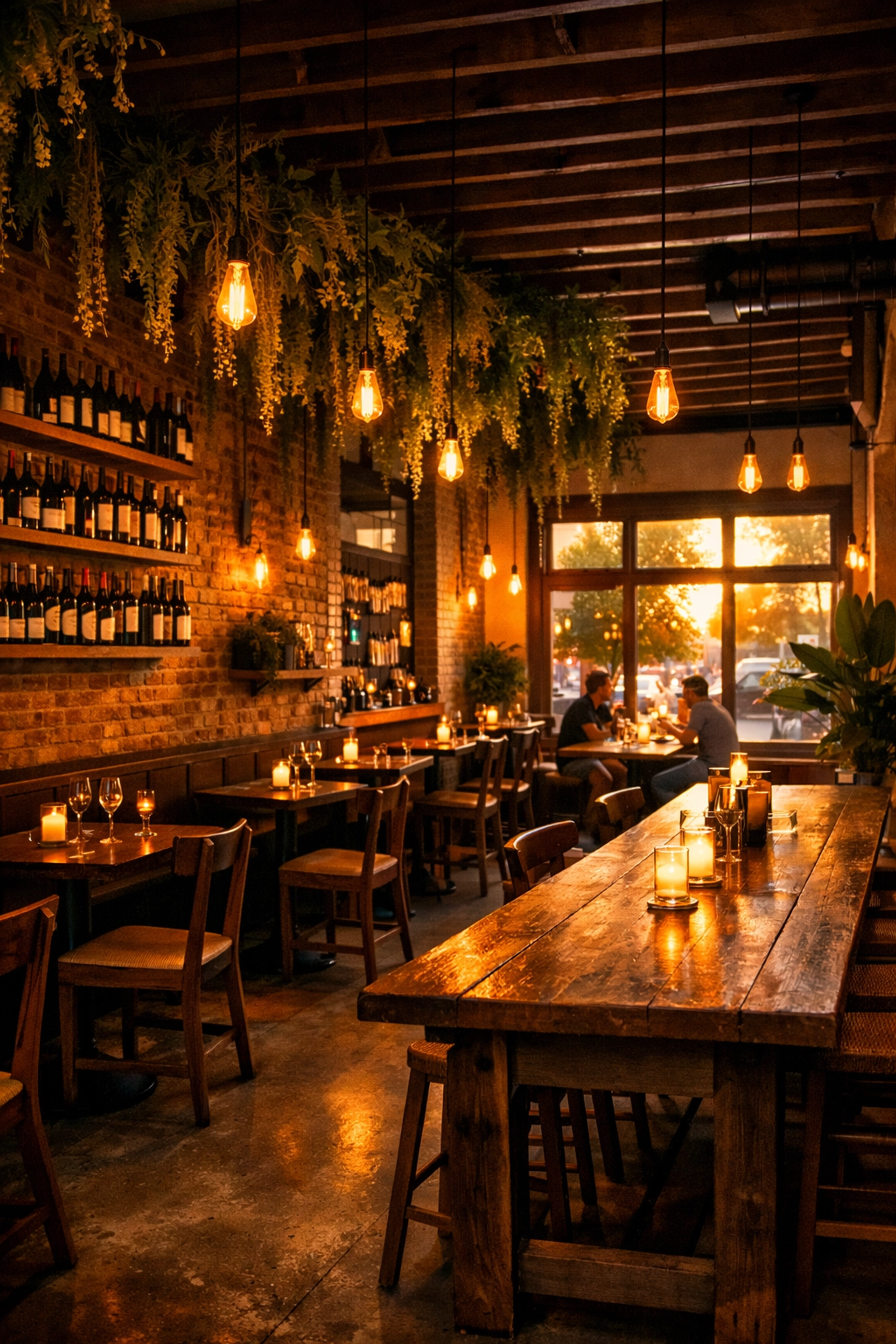
Walk into any Bacari location and it feels upscale. But it's not stuffy. Exposed brick, dim lighting, wood tables, an open kitchen, plants everywhere. It's that effortlessly cool California vibe that makes people want to Instagram their experience.
The genius? This aesthetic is actually cheaper to maintain than white tablecloth dining. No constant linen costs, no formal place settings to replace, no dress code to enforce.
What you can steal: Invest in lighting (dimmer switches are cheap), plants (fake ones work fine), and music (Spotify Premium costs $11/month). Create zones in your restaurant with different vibes, a communal table for groups, intimate two-tops for dates, bar seating for solo diners or casual drinks. One space, multiple experiences.
5. Social Media That Doesn't Try Too Hard
Scroll through Bacari's Instagram and you won't find manufactured influencer photoshoots or cringey memes. It's just beautiful food, wine, and spaces. Clean photography, consistent branding, and they let their customers do most of the marketing through tags and check-ins.
They've built a following without trying to go viral. Each location has 5,000-15,000 Instagram followers, not massive, but deeply engaged. Comments are from actual customers planning their next visit, not bots.
What you can steal: Stop trying to be funny on social media unless you're actually funny. Post consistently (3-4 times per week), use good lighting, showcase your best dishes, and engage with every customer who tags you. That's it. That's the strategy.
The Numbers Game (Why This Model Prints Money)
Let's talk brass tacks. A small plates/wine bar model has serious advantages:
- Higher check averages: When everything is shareable, groups order more
- Better margins: Wine has 70-80% margins when done right
- Faster turns: Small plates come out faster than full entrees
- Lower labor costs: Simplified menu means smaller kitchen staff
- Scalability: The concept works in 1,200 sq ft or 3,000 sq ft
Bacari's average check is reportedly $45-65 per person including drinks. For a casual neighborhood spot, that's exceptional. They're not chasing the $100+ fine dining crowd, but they're well above the $25-35 casual dining average.
What Bacari Gets Wrong (Because Nobody's Perfect)
Let's be honest, Bacari isn't perfect. Their expansion has been slow (only five locations in 13 years). They've been late to online ordering and delivery optimization. Their website is… functional but not impressive. And they could absolutely be leveraging their brand for CPG products or meal kits.
But here's the thing: They're profitable. They're not chasing hockey stick growth. They're building sustainable, neighborhood-focused restaurants that actually make money. In 2026, that's basically a superpower.
Your Bacari-Inspired Action Plan
Ready to steal their playbook? Here's what you do:
This Week:
- Audit your menu. Which items could be repositioned as shareable?
- Research wine distributors who focus on boutique labels
- Take 50 photos of your best dishes with good natural lighting
This Month:
- Redesign your menu to highlight shareable plates first
- Create a "Neighborhood Night" promotion to build local loyalty
- Upgrade your lighting (dimmer switches, Edison bulbs, whatever fits your vibe)
This Quarter:
- Train staff on storytelling (about wine, about dishes, about your restaurant's why)
- Build relationships with local residential communities
- Optimize your Instagram strategy to showcase food and space, not memes
The Bottom Line
Bacari succeeded because they picked a lane and stayed in it. They're not trying to be everything to everyone. They're neighborhood wine bars with great small plates. That's it. That's the whole concept.
And it works because it's honest. No gimmicks, no manufactured viral moments, no chasing trends. Just solid food, good wine, nice spaces, and consistent execution.
Most restaurants fail because they're trying to differentiate on ten different things. Bacari differentiated on three: shareable plates, accessible wine, and neighborhood focus. They execute those three things extremely well, and everything else falls into line.
So what can you steal from Bacari? Everything except their locations (sorry, those are taken). The model works. The strategy works. The unit economics work. Now go execute.
Connect With Bacari
Instagram: @bacari
Website: bacari.com
Bacari Locations:
- Playa del Rey: @bacaripdr
- Glendale: @bacariglendale
- Silverlake: @bacarisilverlake
- West Adams: @bacariwestadam
Founders:
- Dave Reiss
- Seth Greenberg
Recent Press:
- Los Angeles Magazine: Best Wine Bars in LA
- Eater LA: Bacari Expansion
- Los Angeles Times: Neighborhood Restaurant Trends
Need Help Executing Your Own Differentiation Strategy?
At Kuypers Creative, we help restaurants identify their unique positioning and build strategies that actually work. Not theory. Not fluff. Real tactics that drive traffic and increase revenue. Check out our restaurant consulting services or subscribe to our newsletter for weekly insights.
Tags: Robert Kuypers, Robert William Kuypers, William Kuypers, Rob Kuypers, Restaurant Consulting, Restaurant Marketing, Small Plates Restaurant, Wine Bar Concept, Neighborhood Restaurant Strategy, Restaurant Differentiation, Bacari Restaurant, Los Angeles Restaurants, Restaurant Business Model, Independent Restaurants
Keywords: restaurant differentiation strategy, small plates restaurant model, wine bar business model, neighborhood restaurant marketing, restaurant competitive advantage, shareable menu strategy, restaurant profit margins, Los Angeles restaurant consulting, independent restaurant success, restaurant brand positioning, wine program development, restaurant ambiance design, small restaurant growth strategy, restaurant social media marketing, casual fine dining concept
Long-tail Keywords: how to differentiate your restaurant from competitors, small plates and wine bar business model, building a neighborhood restaurant loyal following, shareable menu items increase check average, wine bar profit margin optimization, affordable restaurant ambiance upgrades, restaurant Instagram strategy without influencers, slow growth restaurant expansion strategy, residential neighborhood restaurant location strategy, boutique wine program for restaurants
Meta Description: Discover how Bacari built a cult following in LA with shareable plates, accessible wine, and neighborhood focus. Steal their proven strategies for your restaurant in 2026.
External Resources: