

Let's be honest: you're probably reading this on a Saturday morning, coffee in hand, wondering why your Friday night shift felt like herding cats through a hurricane. Too many servers standing around at 5 PM. Not enough hands on deck at 7:30 PM. And somewhere in between, three tables walked out because the wait was "just too long."
Here's your simple trick: Stop guessing. Start watching. Video analytics is the unsexy-sounding technology that's quietly revolutionizing how smart restaurants staff their floors and turn their tables faster.
(And no, we're not talking about Big Brother surveillance vibes. We're talking about data that actually makes your life easier.)
Why Your Current Staffing Method Is Basically a Coin Flip
Traditional staffing in restaurants looks something like this: you check last year's numbers, eyeball the weather forecast, remember that "Saturdays are usually busy," and cross your fingers. Maybe you have a gut feeling. Maybe your gut is wrong.
The problem? Historical averages lie. They don't account for that new apartment complex down the street, the concert at the venue next door, or the fact that your Instagram reel just went viral. You're scheduling based on ghosts of dinners past while your actual customers are walking through the door right now.
According to 2025 restaurant technology trends, real-time operational data is becoming the new gold standard. And video analytics? That's the prospector's pickaxe.
What Exactly Is Video Analytics (And Why Should You Care)?
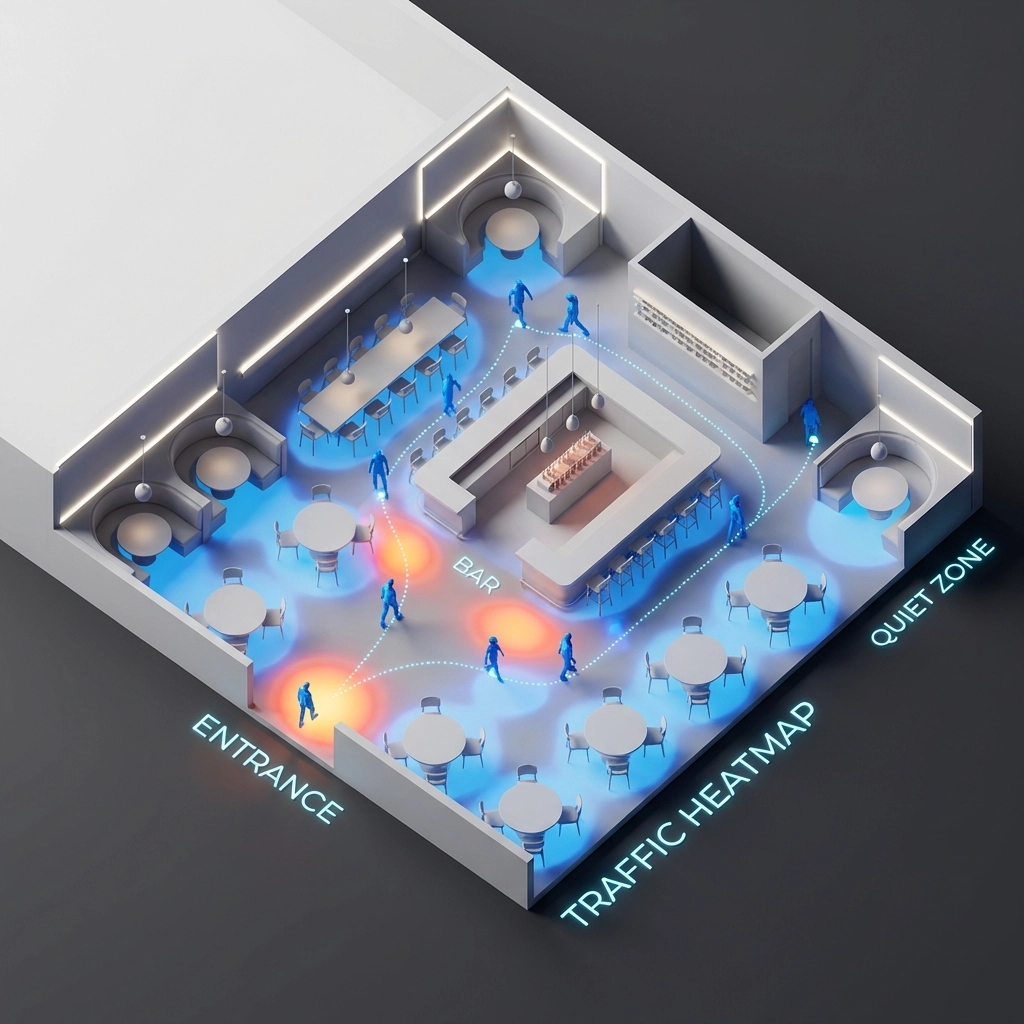
Video analytics uses AI-powered cameras to track people counting, movement patterns, dwell times, and traffic flow throughout your restaurant: in real time. Think of it as having a genius hostess with photographic memory who never takes a break.
Here's what it actually measures:
- Accurate headcounts entering and exiting your space
- Heat maps showing where customers congregate (spoiler: it's not always where you think)
- Peak hour identification down to 15-minute increments
- Table dwell time so you know exactly how long parties are camping
This isn't theoretical. This is actionable intel that changes how you deploy your team.
The Numbers Don't Lie: 2025-2026 Video Analytics Impact
Let's talk data. Because if you're going to invest in new tech, you want receipts.
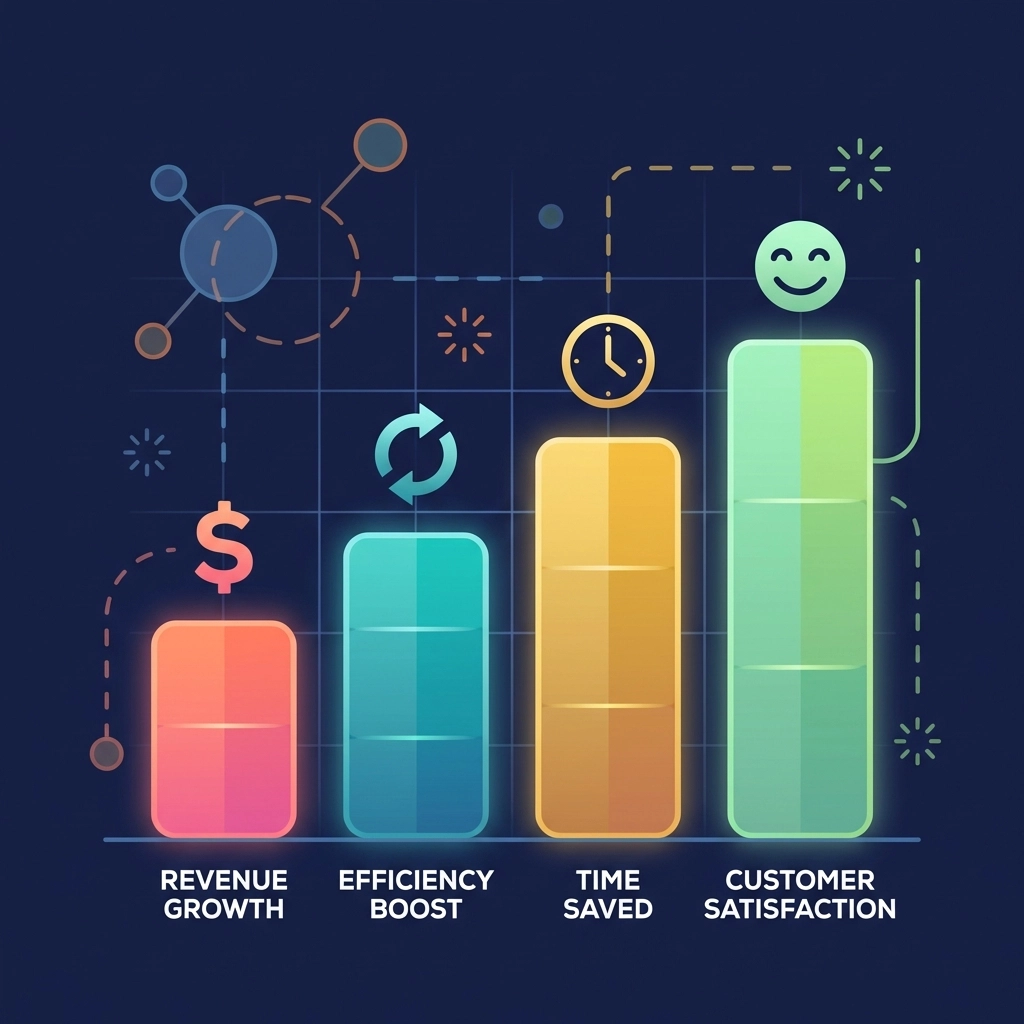
Industry benchmarks for restaurants using video analytics (2025-2026):
| Metric | Average Improvement |
|---|---|
| Labor cost reduction | 15-20% |
| Table turnover increase | 10-15% |
| Wait time reduction | 20-30% |
| Customer satisfaction scores | +12% |
Source: Restaurant technology adoption studies, 2025-2026
The math is deliciously simple: when you staff to actual demand (not guessed demand), you stop bleeding money on idle labor AND you stop losing customers to preventable wait times.
Real-World Wins: Two Restaurants That Cracked the Code
Case Study #1: Urban Bistro's Five-Location Transformation
Urban Bistro deployed video analytics across all five of their locations: and the results were legitimately impressive:
- 18% reduction in labor costs by adjusting staffing based on real-time traffic, not vibes
- 12% increase in table turnover during peak dinner hours
- 25% decrease in average wait times
The secret sauce? Heat mapping showed that their bar area was actually their biggest bottleneck during rush hour. Customers were stacking up waiting for drinks while tables sat empty. By repositioning one bartender and adding a service station, they unclogged the whole system.
Case Study #2: The Fast-Casual Chain That Stopped Overstaffing Lunch
A regional fast-casual chain (think: upscale counter service, 12 locations) was hemorrhaging money on lunch shifts. Their managers assumed noon was always slammed. Video analytics revealed the truth: their actual peak was 12:45-1:15 PM, not 12:00-12:30 PM.
By shifting just two employees' start times by 30 minutes across all locations, they saved over $180,000 annually in labor costs. Same headcount. Better timing. That's the power of precision.
For more on how technology is reshaping restaurant operations, check out our deep dive on the future of AI in restaurants.
Video Analytics vs. Traditional Tracking: The Honest Comparison
Let's put these two approaches side by side, because knowing what you're replacing matters:
| Factor | Traditional Tracking | Video Analytics |
|---|---|---|
| Data source | POS reports, manager memory, gut feel | Real-time camera feeds + AI analysis |
| Accuracy | ±30-40% variance | ±5% variance |
| Response time | Next week's schedule | Right now adjustments |
| Labor optimization | Reactive | Predictive + reactive |
| Cost | "Free" (but you pay in inefficiency) | $200-800/month per location |
| Learning curve | Low | Medium |
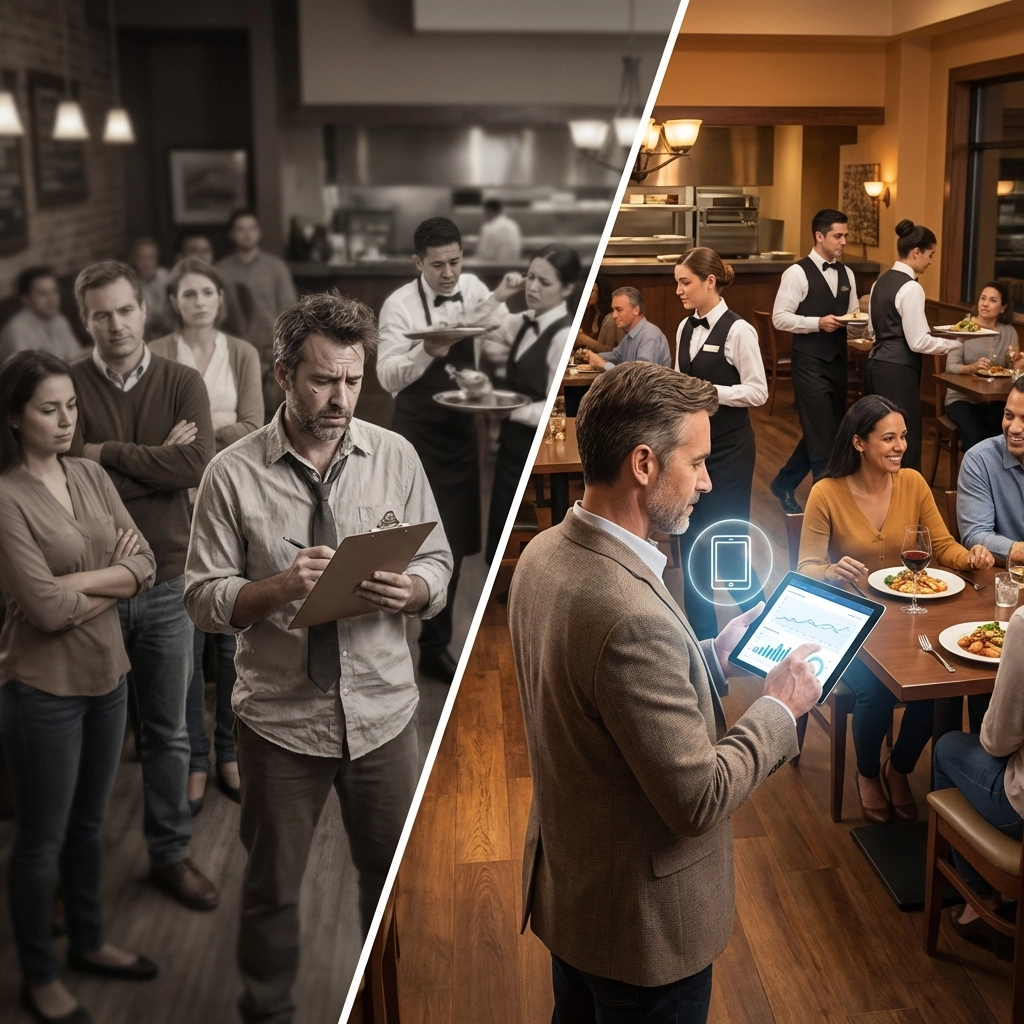
Here's the honest truth: traditional tracking worked fine when margins were fat and labor was cheap. Neither of those things is true in 2026. The jobs report impact on restaurants shows labor costs continuing to climb. Every wasted hour hurts more than it used to.
The Pitfalls: What Can Go Wrong (And Usually Does)
Before you sprint to install cameras everywhere, let's talk about the landmines:
1. Privacy Paranoia (From Staff and Customers)
Nobody wants to feel surveilled. Be transparent about what you're tracking (traffic patterns, not individual behavior) and why (better service, not gotcha moments). Post signage. Tell your team it's about scheduling optimization, not spying.
2. Data Overload Without Action
Video analytics can generate mountains of data. If you don't have someone reviewing dashboards weekly and actually adjusting schedules, you've just bought an expensive security camera system. Data without decisions is just noise.
3. Ignoring the Human Element
The AI doesn't know your best server just called in sick or that there's a private party in the back room. Video analytics is a tool, not a replacement for managerial judgment. Use it to inform decisions, not make them for you.
4. Cheap Installation = Garbage Data
Camera placement matters enormously. Angles, lighting, and positioning determine whether your headcounts are accurate or wildly off. Invest in proper setup or you'll be making decisions based on bad information.
Pro Tips for Implementation (From People Who've Done It)
Ready to actually make this work? Here's your implementation playbook:
Start with one location. Pilot programs let you learn the quirks before rolling out system-wide. Pick your busiest or most problematic location first: that's where you'll see results fastest.
Integrate with your POS. The real magic happens when video traffic data syncs with your point-of-sale system. Now you can correlate foot traffic with actual sales and see conversion rates in real time. Many modern POS systems already support these integrations.
Set review rituals. Block 30 minutes every Monday to review the previous week's analytics. Look for patterns. Adjust upcoming schedules accordingly. Consistency beats intensity.
Train your managers on the dashboards. If your GMs can't interpret the data, it's useless. Most video analytics platforms offer training: take it. Make dashboard literacy a management competency.
Celebrate the wins. When you save money or reduce wait times, tell your team. Show them the data. Make them believers, not skeptics.
The Bottom Line (Because You've Got Places to Be)
Video analytics isn't sexy. It doesn't have the sizzle of a new menu concept or the Instagram appeal of a redesigned dining room. But here's what it does have: immediate, measurable ROI.
- Staff to actual demand, not guessed demand
- Turn tables faster without sacrificing service quality
- Cut labor costs by 15-20% without cutting corners
- Make decisions based on data, not gut feelings
In an industry where margins are already razor-thin, video analytics is the operational edge that separates restaurants that thrive from restaurants that just survive.
The simple trick? Stop guessing. Start watching. Your P&L will thank you.
Meta Keywords
video analytics restaurants, restaurant staffing optimization, table turnover improvement, restaurant labor costs 2026, AI restaurant technology, people counting restaurants, restaurant heat mapping, real-time restaurant data, restaurant efficiency tools, video analytics ROI, restaurant management technology, peak hour staffing restaurants, reduce wait times restaurants, restaurant operations optimization