

Welcome to our annual deep-dive into the restaurant economy, 2025 edition. This year's story isn't just about numbers; it's about survival, adaptation, and the great dividing line that split the industry in half. Grab your coffee (or whatever gets you through economic data), because we're about to break down the year that changed everything.
Chapter 1: The Big Picture Numbers That Tell the Real Story
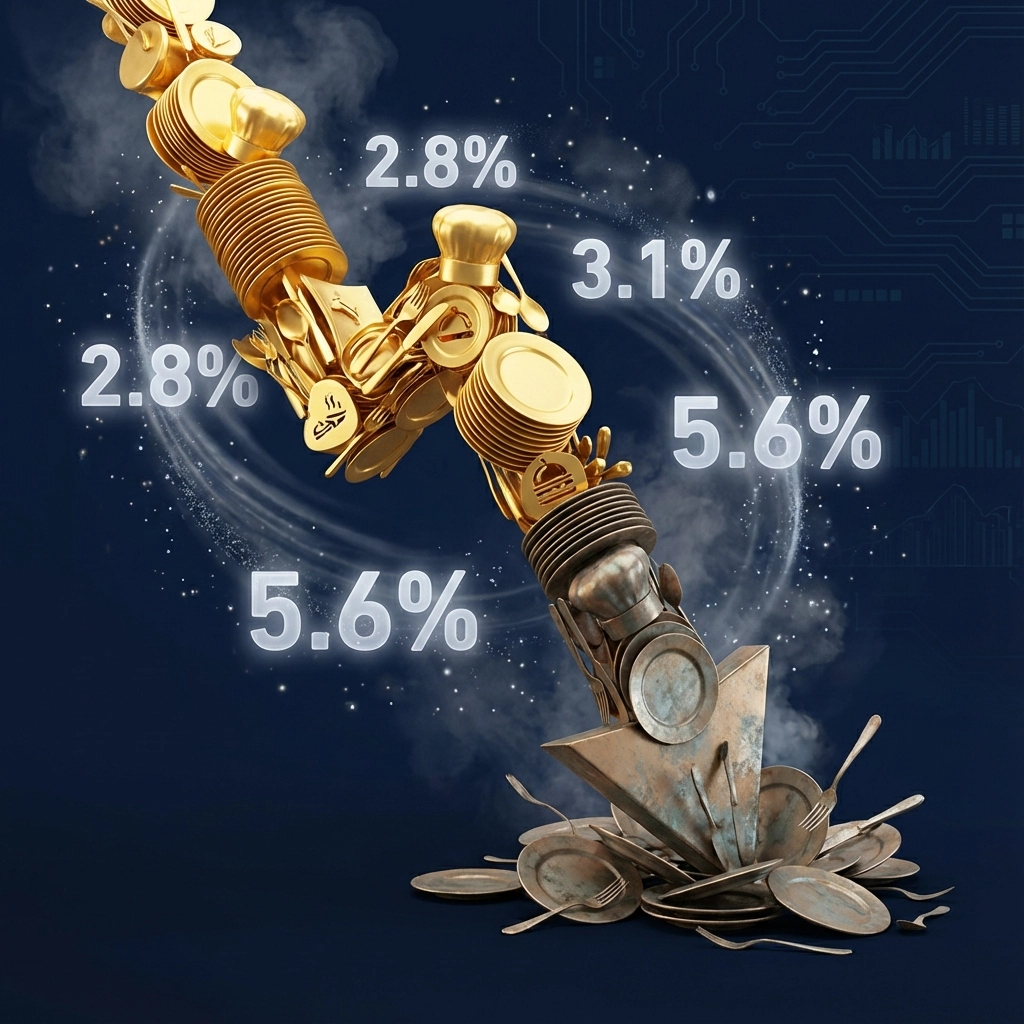
$478 billion. That's how much Americans spent eating out in 2025, a 2.8% increase that sounds decent until you realize it's the slowest growth we've seen in years. Compare that to 2024's 3.1% growth, and you start to see the trend. The five-year average before 2025? A robust 5.6%.
What happened? Simple: the restaurant economy ran headfirst into reality. Rising costs, labor shortages, and consumers tightening their belts created the perfect storm. But here's where it gets interesting, not everyone struggled equally.
Chapter 2: The Category Champions and Casualties
The category breakdown reads like a tale of winners and losers:
The Growth Kings:
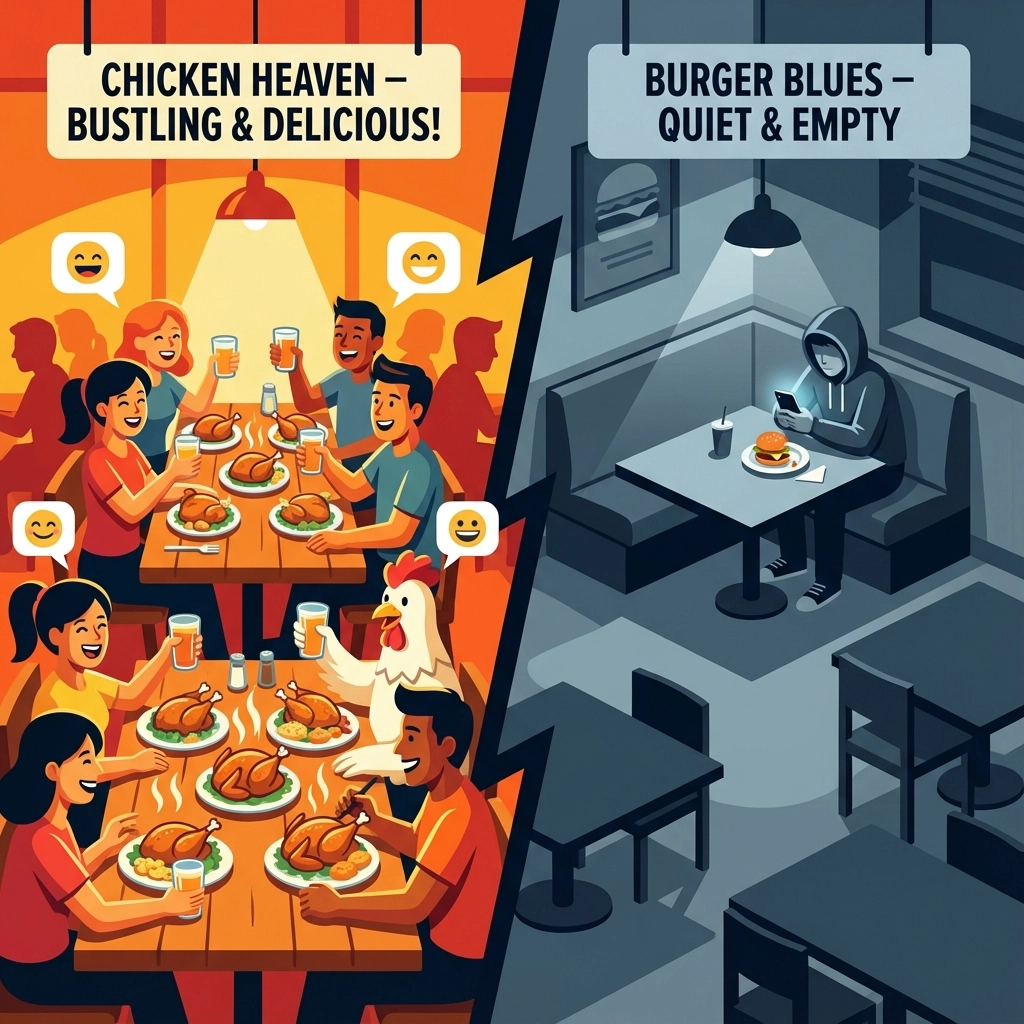
- Chicken restaurants: 6.9% growth (apparently America's love affair with wings continues)
- Mexican cuisine: 6.2% growth (value + flavor = winning formula)
- Coffee/beverage concepts: 4.4% growth (the only category that actually accelerated from 2024)
The Struggling Sectors:
- Burgers: 0.4% growth (ouch)
- Sandwiches: 0.3% growth (double ouch)
- Pizza: -0.2% growth (negative growth is just fancy talk for decline)
Why the massive disparity? Restaurant systems pro adoption played a huge role. Chicken and Mexican concepts invested heavily in kitchen sync strategies and tip management software, streamlining operations while burger joints struggled with legacy systems.
Chapter 3: The Great Consumer Divide
Here's the stat that explains everything: 43% of households earning $100,000+ accounted for nearly 60% of all restaurant spending. Let that sink in.
Meanwhile, lower-income consumers hit the brakes hard. 43% of restaurant operators reported customers became significantly more price-focused in 2025. 10% of restaurants watched customers consistently trade down to cheaper menu items.
This split explains why restaurants fail in today's market, operators who chased the shrinking middle got squeezed out. The winners? Those who either went premium for affluent diners or doubled down on value for budget-conscious customers.
Chapter 4: The Operational Overhaul
Faced with reality, restaurant operators made dramatic changes:
- 36% streamlined menus (complexity kills margins)
- 29% planned new locations (aggressive expansion despite headwinds)
- 16% limited service days (Tuesday closures became the new normal)
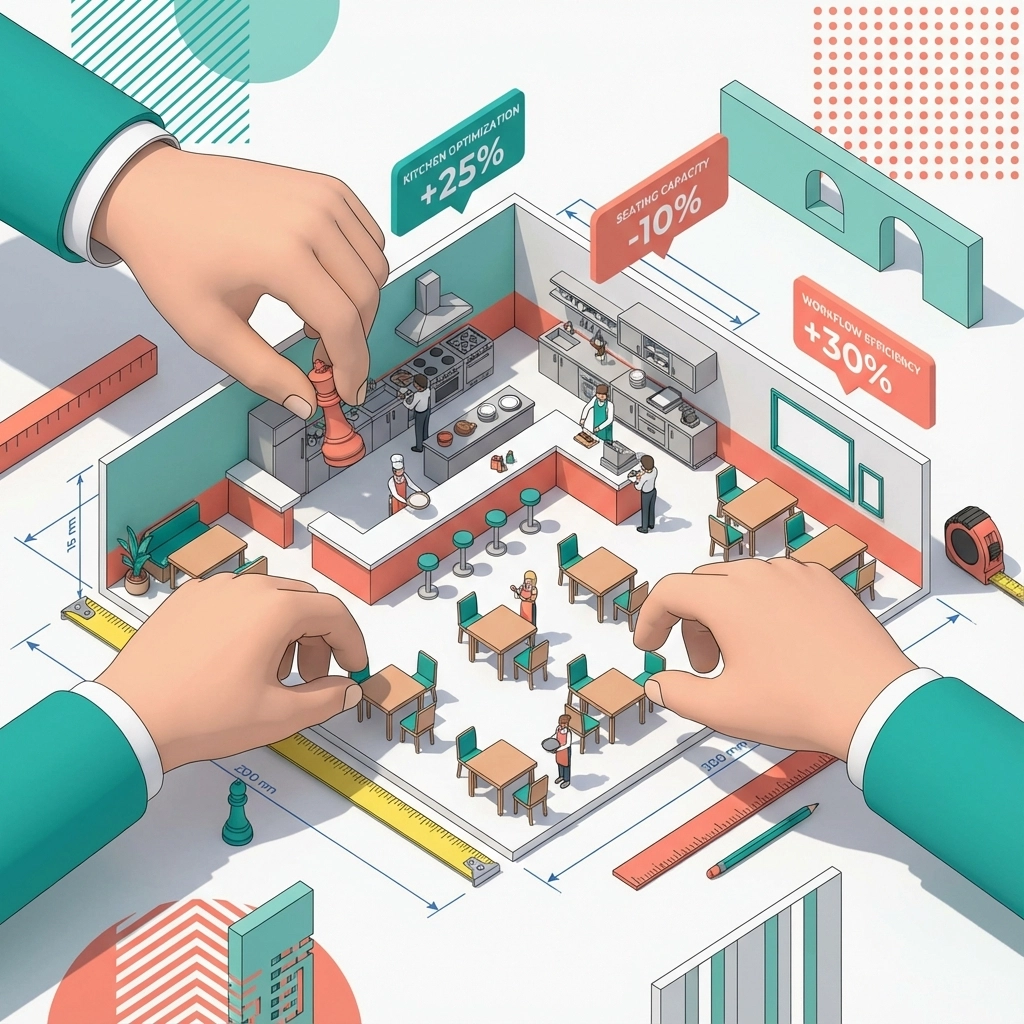
- 15% reduced seating capacity (right-sizing for demand)
- 11% cited declining traffic as their biggest worry
Smart operators invested in video analytics for restaurants to understand customer flow patterns and optimize staffing. The data-driven approach separated survivors from casualties.
Chapter 5: The Death of the 24/7 Dream
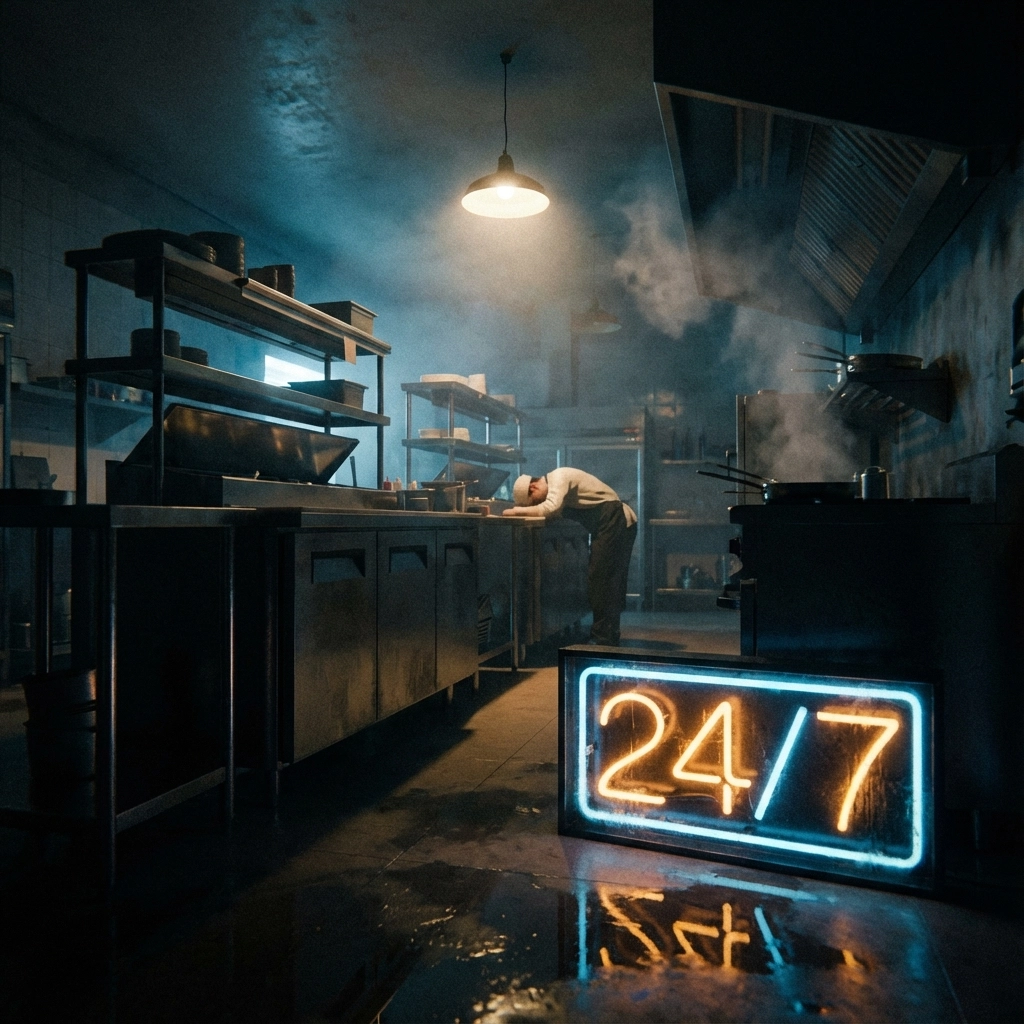
One of 2025's most dramatic trends: 24-hour restaurants declined by 11% nationwide. Los Angeles got hit worst with a 29% drop, while Las Vegas saw 9% fewer all-night spots.
The culprits? Labor shortages made overnight shifts nearly impossible to staff. But some cities bucked the trend:
- Salt Lake City: +25%
- Baltimore: +14%
- Key West: +33%
What separated winners from losers? Investment in technology. Self-service kiosks, mobile ordering, and streamlined overnight menus helped profitable 24/7 operations survive.
Chapter 6: The Cost Crisis Reality Check
43% of operators called rising costs their #1 challenge, while 29% desperately needed to increase revenue. Translation: restaurants faced the classic squeeze, costs up, sales pressure intense.
Labor made it worse: 61.7% turnover projected across the industry, with 72.3% of positions open at any given time. Group purchasing organizations food service became essential survival tools, helping operators squeeze pennies from supplier relationships.
This is where top 100 independent restaurants separated themselves, they invested in systems, training, and technology that reduced turnover and improved efficiency.
Chapter 7: The Consumer Behavior Shift
Beyond price sensitivity, 2025 revealed new dining patterns:
Value Hunting Became an Art Form: Consumers actively searched for budget-friendly options, driving traffic to restaurants that mastered the art of perceived value.
Solo Dining Exploded: Individual diners became a significant segment, seeking personalized experiences over group outings.
Sharing Economy: 12% of operators reported customers sharing meals more frequently, budget consciousness in action.
Experience Over Transaction: Despite economic pressure, diners who did spend wanted memorable experiences, not just food.
Chapter 8: The Technology Revolution
Digital transformation stopped being optional. Restaurants invested heavily in:
- Mobile ordering platforms
- Third-party delivery integration
- Kitchen sync strategies for order management
- Tip management software for staff retention
- Video analytics for restaurants for operational insights
The operators who embraced tech survived. Those who didn't? Well, that's why restaurants fail in 2025.

Chapter 9: What This Means for 2026
The restaurant economy emerging from 2025 looks fundamentally different:
Leaner Operations: Streamlined menus, optimized staffing, technology-driven efficiency
Sharper Segmentation: Clear value positioning for specific customer segments
Digital-First Approach: Technology integration as survival requirement, not luxury
Data-Driven Decisions: Analytics driving everything from menu engineering to site selection
The Bottom Line
2025 wasn't just another year in restaurants: it was the year that separated the wheat from the chaff. Operators who understood the new consumer reality, invested in technology, and made hard operational decisions thrived. Those who hoped things would return to "normal" got left behind.
The industry that emerges will be more sophisticated, more efficient, and more profitable for those who master the new rules.
Want more strategic insights? Connect with Robert on LinkedIn for daily takes on what's really happening in the restaurant world: linkedin.com/in/robertwilliamkuypers/
For deeper dives into restaurant strategy and why some concepts thrive while others struggle, check out our comprehensive analysis: Why Restaurants Fail and How to Succeed
Hashtags
#RestaurantEconomy2025 #RestaurantSystemsPro #WhyRestaurantsFail #KitchenSyncStrategies #TipManagementSoftware #VideoAnalyticsRestaurants #Top100IndependentRestaurants #GroupPurchasingOrganizations #RestaurantTech #FoodServiceTrends #RestaurantConsulting #RestaurantStrategy