

Look, we all knew 2026 was going to be weird. But nobody, and I mean nobody, predicted that the biggest drama in the restaurant world would be tipping for a sandwich you haven't even received yet, while simultaneously watching dinner traffic vanish like my motivation on a Monday morning.
Welcome to February 2026, where the restaurant industry is equal parts survival game, comedy show, and social experiment. Grab your overpriced cold brew and let's dive into the chaos.
The Pre-Tip Panic: When Generosity Becomes a Hostage Situation
Here's the scene: You're on your phone, ordering a sandwich. You click checkout. And there it is, the tip screen. Glowing. Demanding. Judging you before the delivery driver has even looked at your order.
Is it a human? A drone? An AI-powered tricycle with anxiety issues? You don't know. But that screen wants 22% minimum, and you're starting to sweat.
The NYC tipping law updates have turned digital ordering into a philosophical crisis. Mandatory pre-checkout tipping prompts are now standard, and customers are… not thrilled. It's like being asked to applaud before the movie starts. Sure, you might enjoy it, but what if it's terrible?
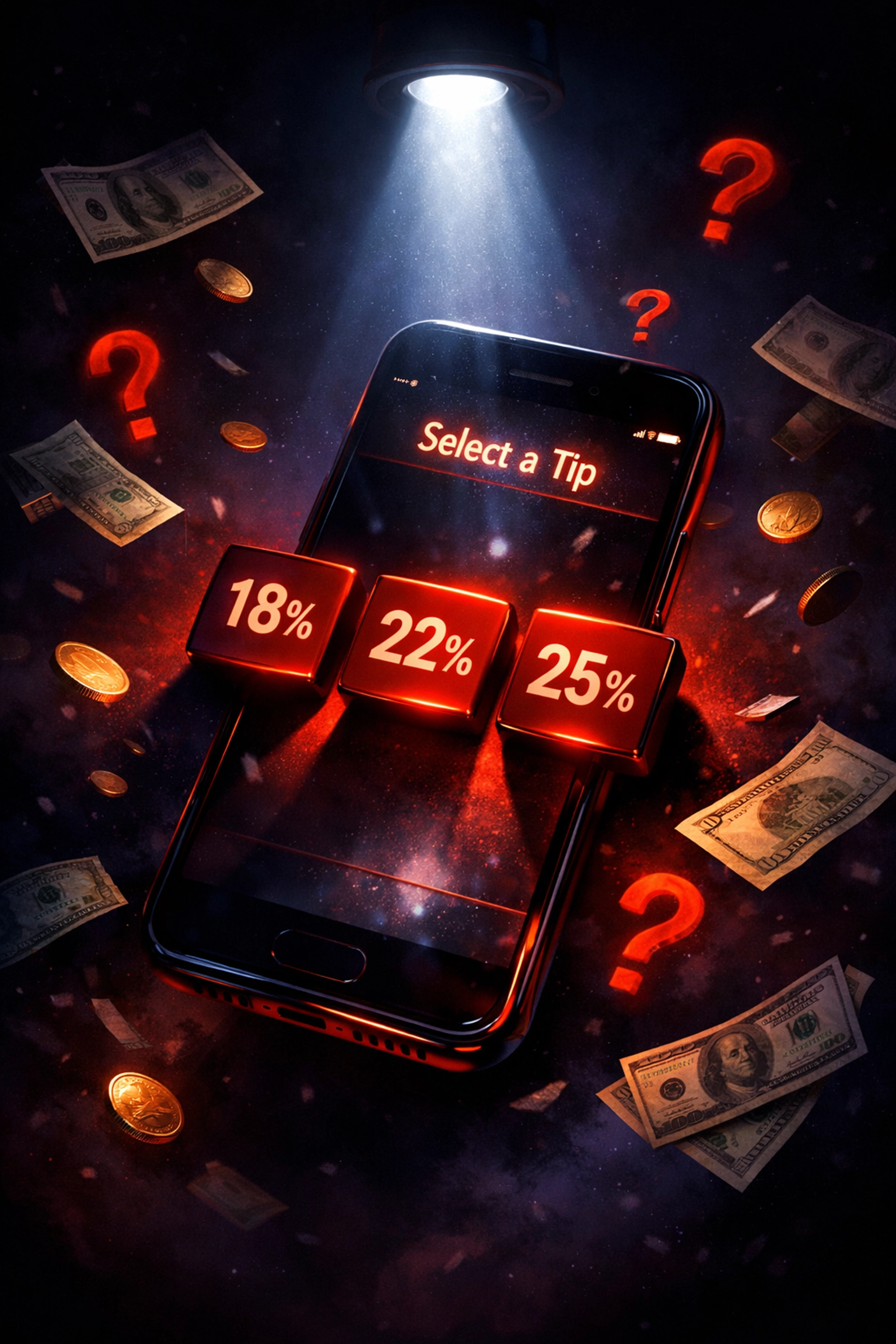
The problem? Pre-tip panic is real, and it's tanking conversion rates. Customers are abandoning carts faster than you can say "service charge," and restaurants are caught in the middle, wanting to support staff while watching their delivery margins evaporate like espresso on a hot griddle.
According to industry reports, restaurants are facing a "humbling year" with consumer price sensitivity at an all-time high. Translation: People are tired of math homework every time they want a burrito.
Breakfast: The Only Meal People Will Actually Pay For
Now for the good news (yes, there's good news): Breakfast is absolutely crushing it.
While dinner traffic looks like a tumbleweed convention and lunch has become "eating last night's leftovers over the sink," breakfast has emerged as the undisputed champion of 2026 restaurant visits.
People will gladly fork over $9 for avocado toast at 8 AM. They'll stand in line for a $7 oat milk latte. They'll Instagram their açai bowl like it's a Renaissance painting. But ask them to spend $18 on dinner? Crickets.
MediaPost's latest trend analysis confirms what every operator already knows: restaurant breakfast trends are the only bright spot in an otherwise grim traffic report. Morning dayparts are up while everything else is down, down, down.
Why? Because breakfast feels like self-care. It's the one meal where spending money doesn't trigger existential dread about your checking account. Plus, you're going to work anyway, might as well do it with a fancy egg sandwich.
Pro tip: If you're not already dominating the breakfast window, what are you waiting for? Scramble those eggs and scramble your strategy.
The Snack Economy: Dinner Is Dead, Long Live the 3 PM Taco
But here's where things get really interesting. While traditional meal occasions are tanking, there's a new hero in town: the snack visit.
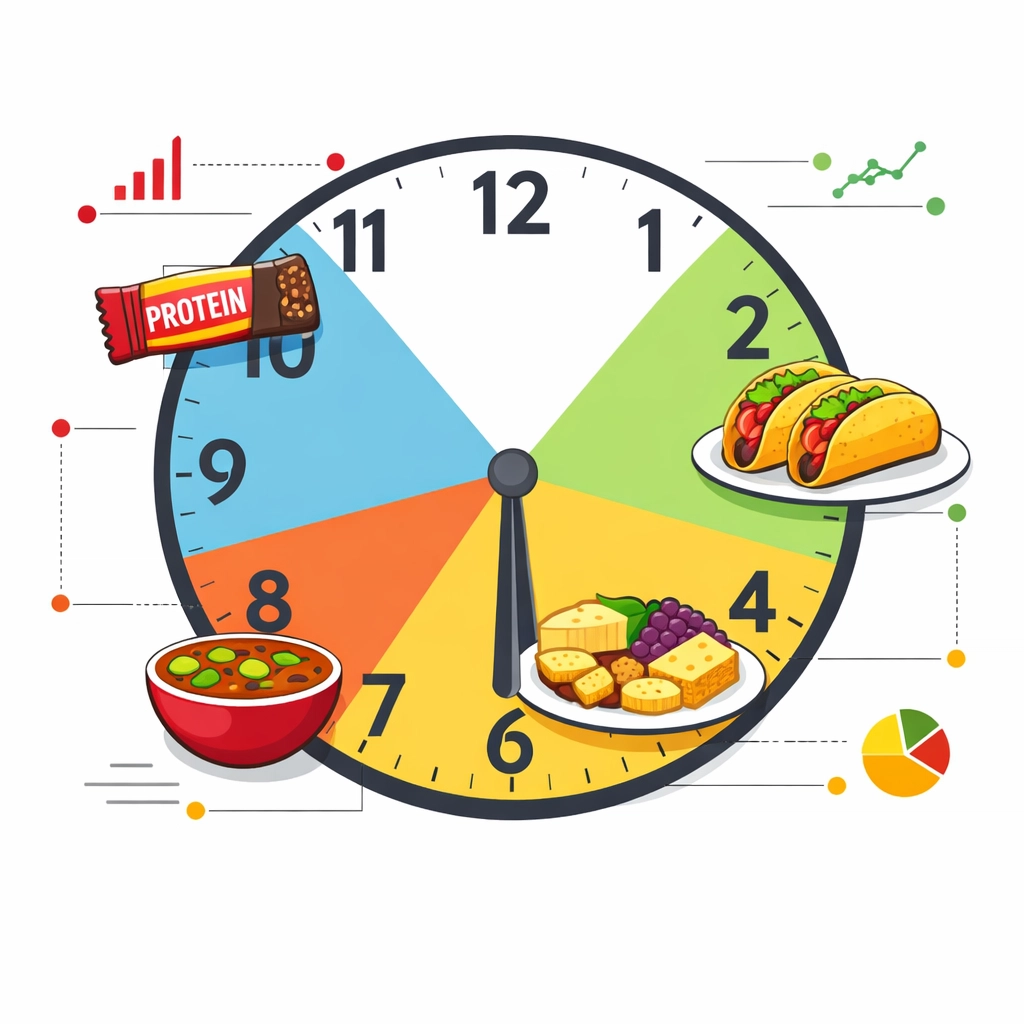
Forget three square meals. In 2026, people are eating like hobbits, multiple small meals throughout the day. The 10 AM protein bite. The 3 PM taco. The 5:30 PM "is this dinner or a snack?" cheese plate.
QSR Magazine's analysis highlights how quick-service brands are pivoting to these "micro-occasions" as a way to save margins. Chipotle's meat snack cups aren't just a cute menu addition, they're a strategic response to the snack economy taking over American dining habits.
Why is this happening? Consumer financial stress is real. When people are "tightening their discretionary spending" (translation: broke), they still want to eat out. But instead of dropping $50 on dinner, they're spending $8 on a protein-forward snack at 2 PM. It scratches the "I ate out!" itch without the guilt spiral.
Quick-service restaurants are winning this game because they've figured out the formula: small portions + high protein + affordable price = the new value proposition. It's not about discounting yourself into oblivion, it's about giving people permission to visit more often for less money per visit.
AI Drive-Thrus: Because Humans Are So 2025
And now, the moment you've been waiting for: Let's talk about AI drive-thru technology (because no 2026 restaurant article would be complete without mentioning our robot overlords).
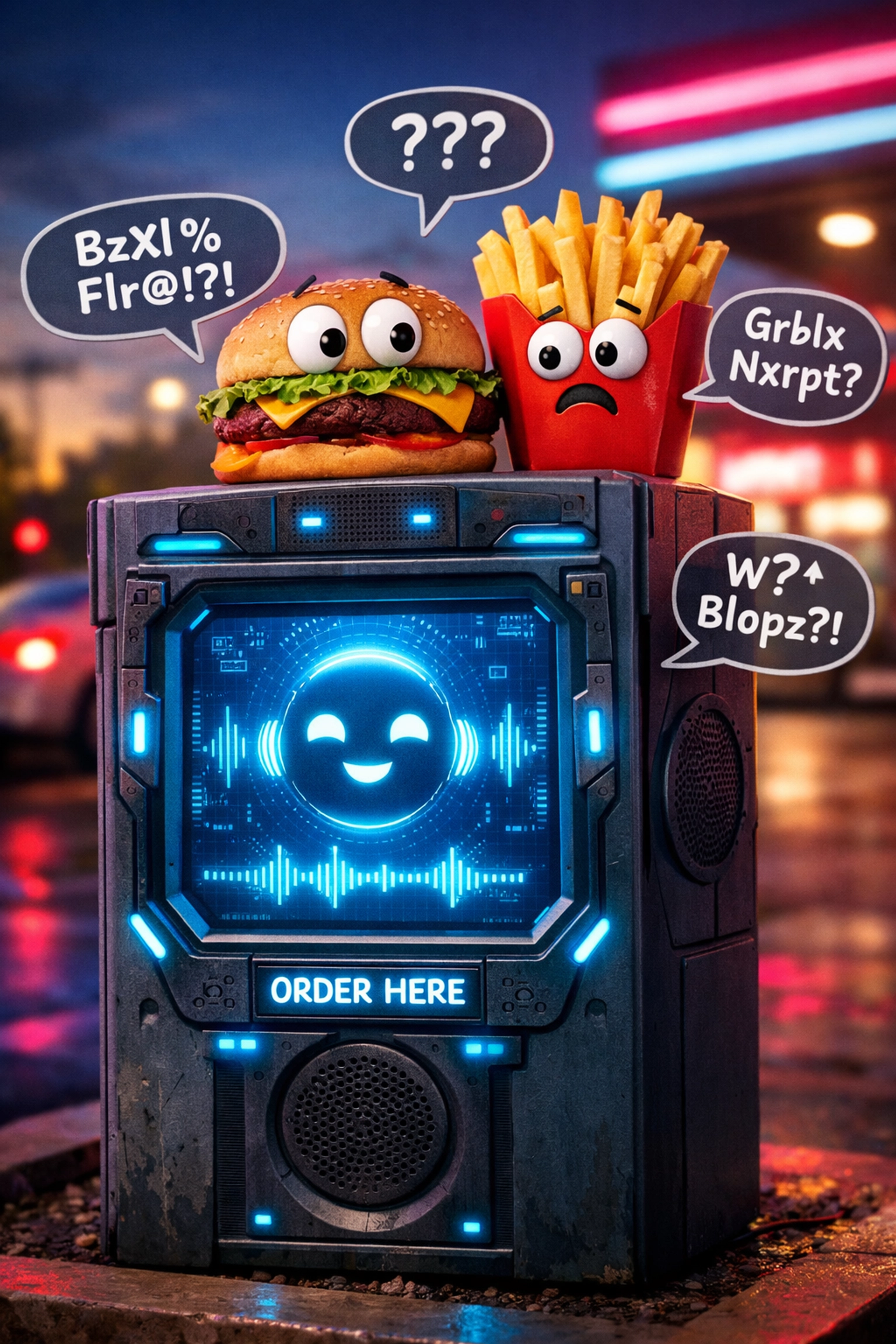
The industry is pouring $10M+ into AI-powered ordering systems. Why? Because apparently, we've decided that the best solution to labor shortages and wage pressures is to replace humans with algorithms that have a 70% accuracy rate on understanding "no pickles."
Look, I get it. Restaurant technology 2026 is all about automation. AI can theoretically process orders faster, work 24/7 without bathroom breaks, and never call in sick. But have you actually used one of these systems?
"I'd like a number three with no, "
"DID YOU SAY MEDIUM FRIES?"
"No, I said no oni, "
"ADDING EXTRA ONIONS. DRIVE FORWARD."
The promise is efficiency. The reality is… a work in progress. But here's the thing: Even if AI drive-thrus are currently about as reliable as a weather forecast, they're not going anywhere. The tech will improve, the accuracy will increase, and eventually, we'll all be taking orders from cheerful robot voices that never judge us for ordering a double cheeseburger at 10 AM.
Restaurant Profitability in the Age of Chaos
So what does all this mean for restaurant profitability in 2026?
First, accept that the old playbook is dead. Dinner traffic isn't coming back anytime soon. The average check is shrinking. Customers are trading down from casual dining to quick-service to save money. These aren't temporary blips, they're the new normal.
But here's your silver lining: Adaptability wins. The restaurants surviving (and thriving) in 2026 are the ones who've figured out how to:
- Own the breakfast daypart like their life depends on it (because it does)
- Embrace the snack economy with smaller, protein-forward options that invite multiple visits
- Navigate tipping drama with transparent, customer-friendly approaches that don't feel like ransom notes
- Test AI and automation strategically, not because it's trendy, but because it actually improves margins and service
The operators winning right now aren't the ones with the fanciest concepts or the biggest marketing budgets. They're the ones who looked at 2026's madness and said, "Okay, how do we make money in this reality?"
The Bottom Line
The 2026 restaurant reality is weird, wild, and occasionally wonderful. Pre-tip panic is real. Breakfast is king. Snacking is the new dining. And AI is coming for your order-taking jobs (even if it can't understand "no onions" yet).
But here's the good news: You can absolutely survive this. Focus on the dayparts that work. Build a menu for how people actually eat (not how they used to eat). Be honest and transparent about pricing and tipping. And for the love of all things holy, make sure your breakfast game is strong.
Because in 2026, the only thing more valuable than a good cup of coffee at 8 AM is a restaurant operator who can roll with the punches and still turn a profit.
Now if you'll excuse me, I have a 3 PM taco calling my name. It's not dinner. It's not a snack. It's the 2026 restaurant economy, baby.
Need help navigating the chaos? Kuypers Creative specializes in strategic restaurant consulting that actually makes sense for the world we're living in. Let's talk.
#RestaurantTrends2026 #NYCTipping #BreakfastEconomy #SnackCulture #AIFoodTech #KuypersCreative #HospitalityStrategy