

Let's talk about something that's been keeping me up at night: the fact that most restaurant AI sounds like a DMV recording from 1987. You know the ones. "Press one for reservations. Press two to lose the will to live."
But here's the thing, Fogo de Chão just cracked the code. And their secret weapon? A grandmother named Selma.
Meet Selma: The AI That Doesn't Make You Want to Hang Up
Fogo de Chão did something radical with their new AI phone system. Instead of hiring some tech bro to build them a "state-of-the-art automated assistant" that sounds like Siri's depressed cousin, they literally cloned their Chief Culture Officer.
Her name is Selma Oliveira. She's been with Fogo for almost 30 years. She's the walking embodiment of Brazilian hospitality (the real kind, not the LinkedIn buzzword kind). And now, thanks to PolyAI, she's answering 100% of their phone calls, in English, Spanish, and Portuguese.

CEO Barry McGowan said it best: "We don't want it to be mechanical, like you're making a reservation on an airline, telling you to press numbers. We wanted Selma, somebody hospitable, answering our phones."
And here's where it gets spicy: This isn't just good branding. It's printing money.
The Numbers That Should Make Every Operator Wake Up
Let's get into the data, because this is where the bathroom read gets interesting:
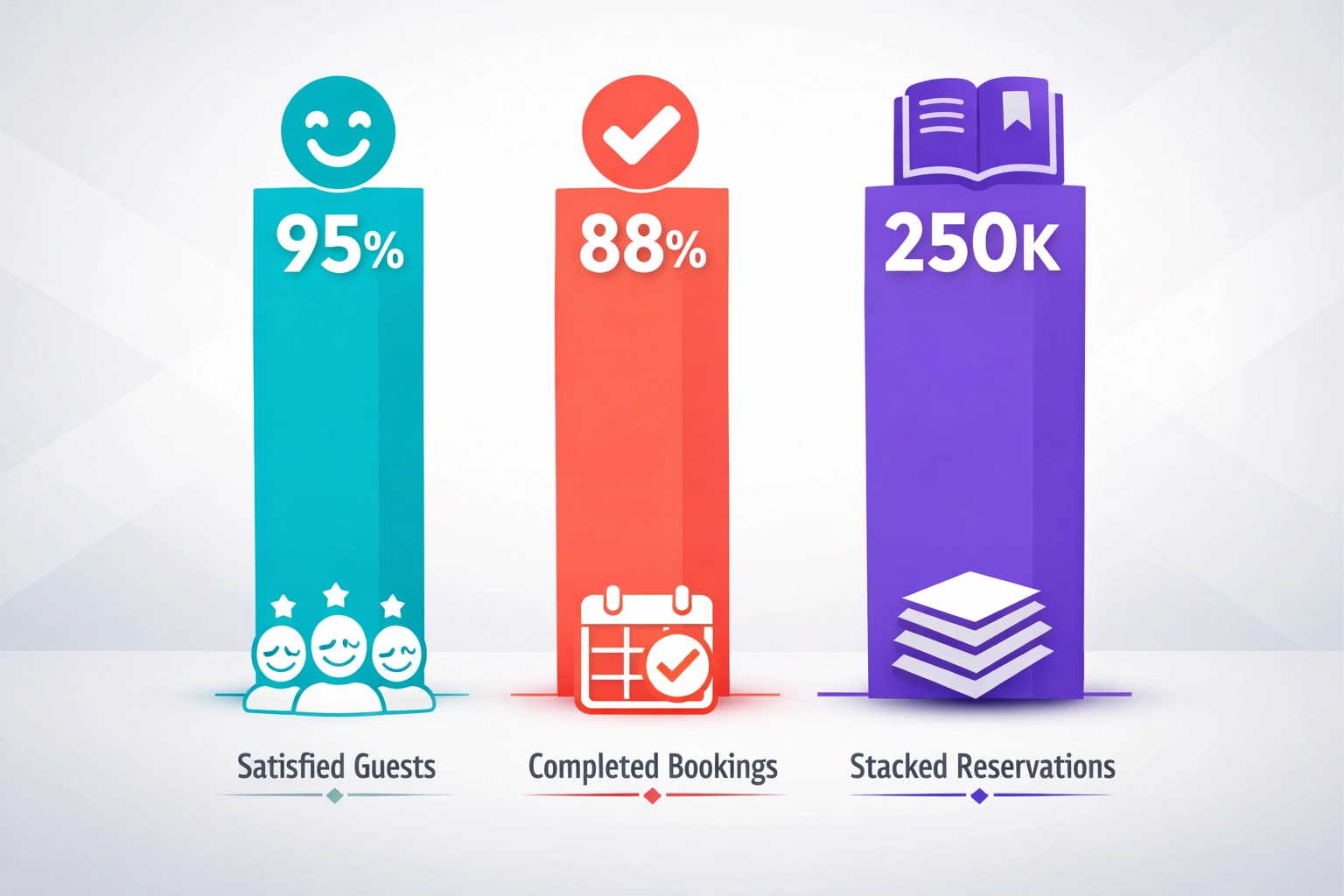
- 95% guest satisfaction rate (for an AI. Let that sink in.)
- 88% booking completion rate (They expected 40-50%. They got almost double.)
- 40% of guests who chat with Selma about rewards request SMS enrollment on the spot
- 250,000+ projected reservations in the first 12 months
Do the math. If your average check is $75, that's potentially $18.75 million in revenue handled by an AI that never calls in sick, never has a bad day, and never forgets to upsell the premium picanha experience.
But here's what really matters: "We don't hear the phone ringing off the hook anymore in the dining room," McGowan told Restaurant Business Online. That means your floor staff can focus on the humans in front of them, not the ones yelling through a headset.
Welcome to Agentic Commerce (Or: Why Your AI Better Have a Personality)
Here's the uncomfortable truth: We're entering the age of Agentic Commerce. That's fancy tech-speak for "AI agents are about to do a lot of your customers' shopping and booking for them."
Think about it. ChatGPT can already search the web, compare options, and make decisions. How long until your customer says, "Hey AI, book me dinner at a Brazilian steakhouse this Saturday at 7 PM," and the AI just… does it?
If your phone system sounds like a hostage negotiation, you're going to lose that booking to the restaurant whose AI sounds like it actually gives a damn.
Robo-Voice is dead. If your AI doesn't sound like it has a soul (or at least a favorite soccer team), you're leaving money on the table in a $1.5 trillion industry that's getting more competitive by the second.
Why Personality Isn't Just "Nice to Have": It's Your Moat
Selma isn't winning because she's cutting-edge tech. She's winning because she sounds like someone you'd want to talk to. Someone who might remember your birthday. Someone who pronounces your name right. Someone who makes you feel like you're calling a friend, not a Fortune 500 call center.

Fogo could have gone the cheap route. Slapped together a generic AI voice that recites specials in monotone and transfers you to a manager when things get complicated. (Most restaurants do exactly this, and it shows.)
Instead, they spent days recording Selma: her actual voice, her cadence, her warmth: across three languages. They trained the AI on her personality, not just her vocabulary. They built a system that represents their culture, not just processes calls.
And the ROI? Off the charts.
What This Means for Your Restaurant (Even If You're Not a National Chain)
I know what you're thinking: "Cool story, but I run a 120-seat neighborhood spot in Akron. I can't afford to clone my host."
Fair. But you're missing the point.
The lesson here isn't "go hire PolyAI" (though you could). The lesson is: Every customer touchpoint needs to feel like your brand, or you're just noise.
Here's what you can do today:
1. Audit your phone experience. Call your own restaurant. Pretend you're a first-timer. Is the experience warm? Helpful? Or does it sound like you're ordering printer ink from an office supply warehouse?
2. Stop treating technology like a cost center. Tech that enhances hospitality is a revenue multiplier. Selma isn't replacing humans: she's freeing them to be more human where it matters.
3. Think about voice, literally. Whether it's your actual phone system, your email auto-responses, or your Instagram DM replies: does it sound like you? Or does it sound like a template you found on Reddit?
4. Test personality-driven tools. You don't need a $100K AI build. Start with platforms like OpenTable's AI assistant, or even just training your host team to answer phones with more personality. (Revolutionary, I know.)
The Bigger Picture: Hospitality Tech Is Eating the World
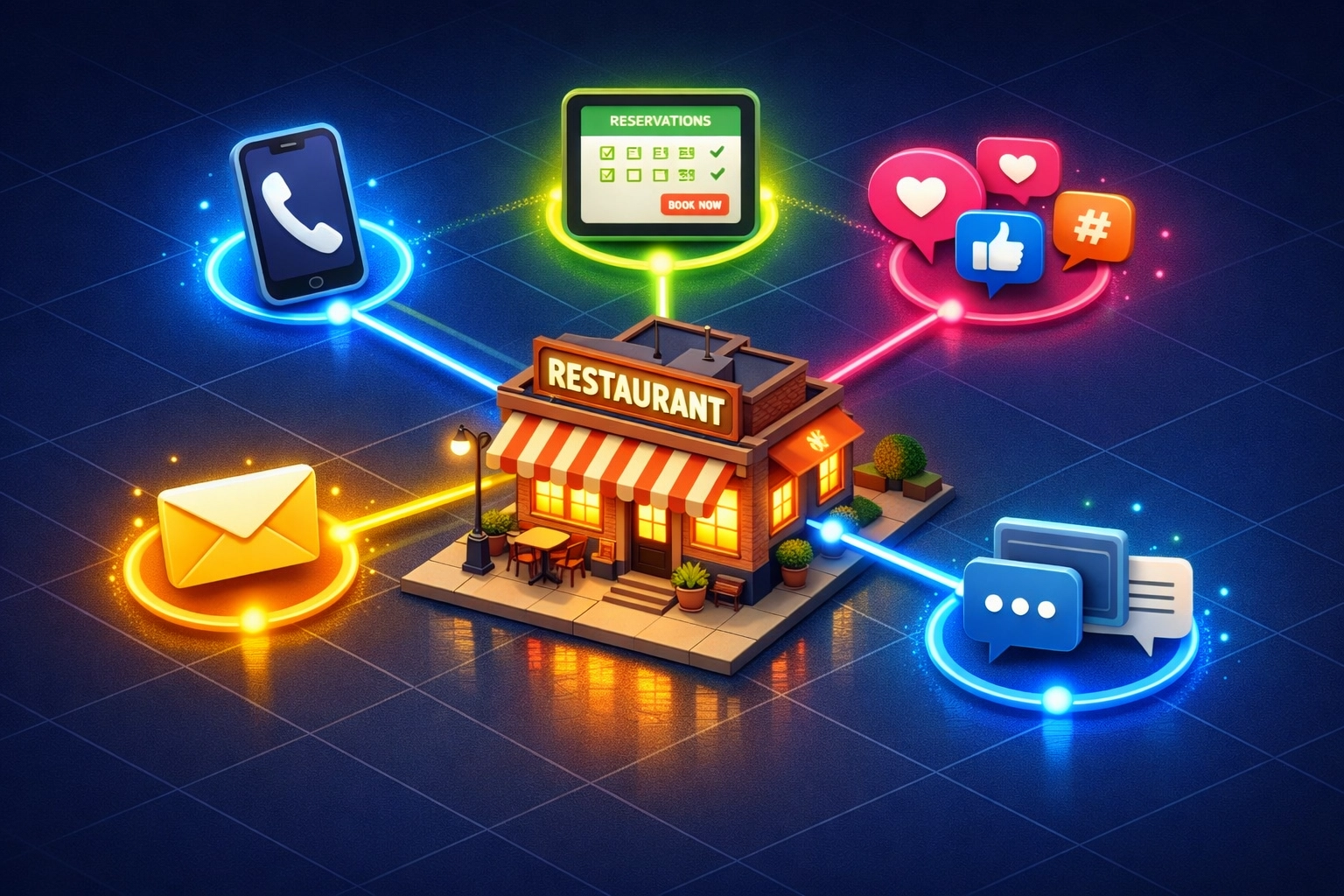
Fogo isn't alone in this shift. The entire industry is waking up to the fact that boring back-end tech is the new competitive advantage. (I've been screaming this from the rooftops: check out our piece on the labor paradox if you want the full breakdown.)
But here's what separates winners from losers: The winners use tech to amplify their humanity, not replace it.
Selma isn't a replacement for Fogo's front-of-house team. She's the first line of defense that ensures every call gets answered, every reservation gets handled, and every guest feels cared for: even at 2 AM when your host has been off the clock for six hours.
And when guests walk in? The real Selma (or someone trained in her philosophy) is right there, ready to deliver the experience the AI promised on the phone.
That's the full-stack restaurant of 2026. Tech handles the logistics. Humans handle the magic.
Your Move
So here's my challenge: Treat your AI like a team member, not a tool.
Give it a name. Give it a personality. Give it training. Make it represent your brand the same way you'd expect a new hire to represent your brand.
Because in a world where AI is booking tables, placing orders, and even critiquing your plating on TikTok, the restaurants that win won't be the ones with the fanciest tech.
They'll be the ones whose tech feels like it actually works there.
Fogo figured it out. Selma is proof. Read more about her launch here and then go audit your own phone system.
And if you need help building a brand (and tech stack) that doesn't sound like a hostage negotiation, you know where to find us.
Now go make your AI less boring.
#RestaurantTech #AIVoice #FogoDeChao #HospitalityInnovation #KuypersCreative #AgenticCommerce #FutureOfDining