

Most restaurant groups chase scale at the expense of soul. They expand fast, dilute the brand, and end up with cookie-cutter locations that feel like they were designed by the same consultant who did the airport Chili's.
Bacari is different.
With locations spanning Los Angeles: from Playa del Rey to Glendale, Silverlake to the Pacific Palisades: this Mediterranean small plates concept has cracked the code on something most multi-unit operators struggle with: maintaining a neighborhood vibe while scaling strategically. No two Bacari locations feel identical, yet they're unmistakably part of the same family.
Let's break down exactly what they're doing right.
The Bacari Origin Story: Built on Cicchetti and Community
Founded by partners Lior Hillel and Chef Andrea Cavaliere in 2013, Bacari's first location opened in Playa del Rey with a simple but powerful concept: serve Venetian-style small plates (cicchetti) in a warm, approachable setting that prioritizes community over flashiness.
The name itself: Bacari: refers to the traditional wine bars scattered throughout Venice where locals gather for conversation, wine, and small bites. That ethos of casual sophistication and genuine hospitality has become the brand's North Star as it's grown to eight locations across the Los Angeles market.
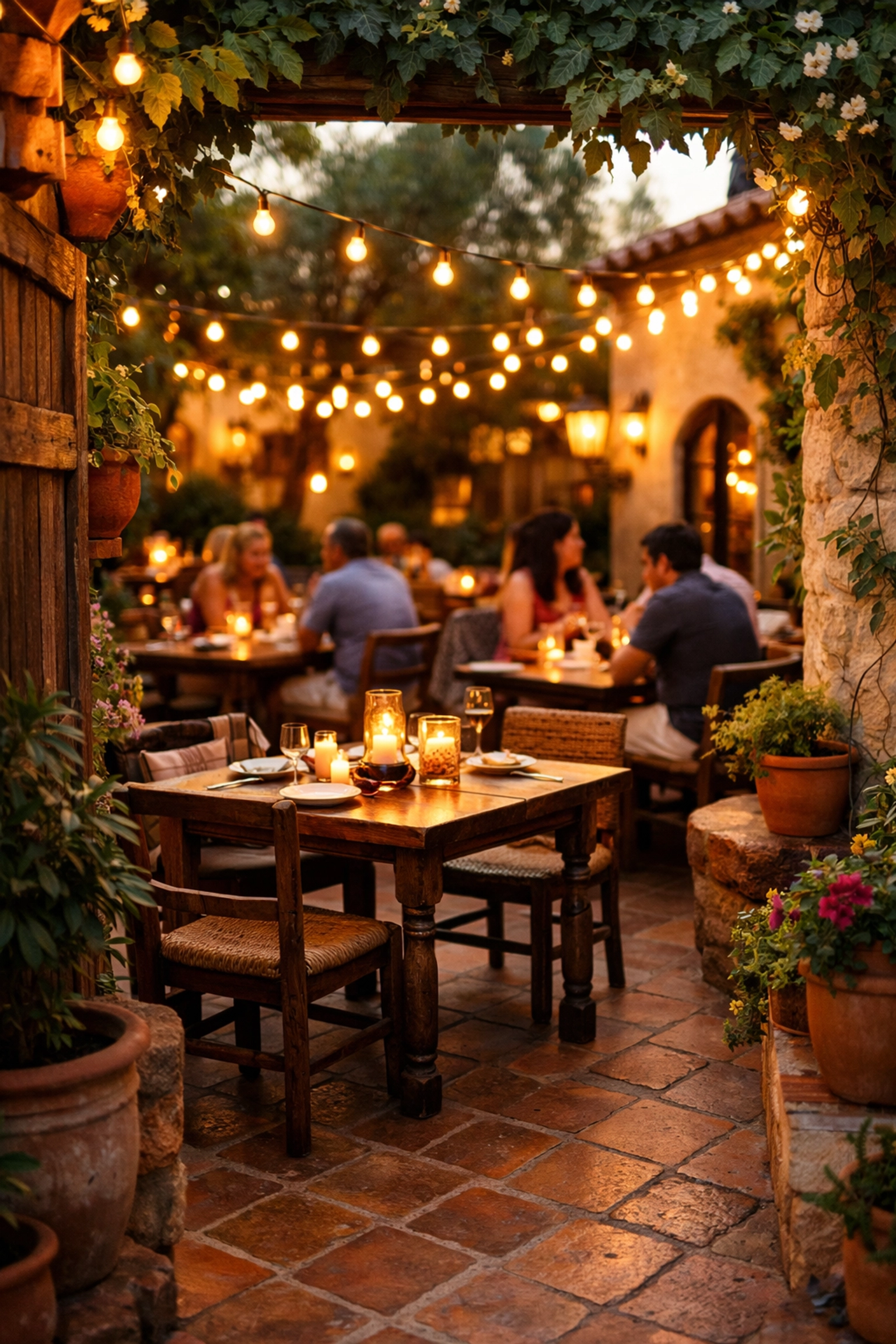
The inviting outdoor patio at Bacari PDR, where Mediterranean charm meets California casual dining
What started as a neighborhood gem has evolved into one of LA's most consistently praised restaurant groups, with each location earning local accolades while maintaining the intimate feel that made the original so beloved. According to Eater LA, Bacari has become synonymous with approachable Mediterranean dining done right: no small feat in a city saturated with restaurant options.
1. Hyper-Local Social Strategy That Actually Works
Scroll through @bacari_pdr or @bacariglendale on Instagram and you'll notice something immediately: these aren't corporate accounts pumping out the same branded content across all locations.
Each Bacari operates its own dedicated Instagram account.
This isn't just smart: it's strategic genius that most restaurant groups overlook. While competitors centralize their social media (easier to manage, sure), Bacari understands that community engagement can't be scaled through a single account managed from headquarters.
The Glendale location posts about local events and neighborhood happenings. Silverlake highlights the arts scene. Pacific Palisades leans into the beachy, family-friendly vibe. Same brand, different conversations, perfectly tailored to each micro-market.
The result? Engagement rates that blow away the industry standard. Real comments from real neighbors. User-generated content that feels authentic because it is. According to Restaurant Business Online, localized social strategies like Bacari's drive 3-5x higher engagement than centralized corporate accounts.
Follow the founders too: Andrea Cavaliere on Instagram shares behind-the-scenes culinary insights, while the corporate account @bacarila ties it all together without overshadowing the individual locations.
2. Menu Consistency Meets Location Flexibility
Here's the tightrope walk that destroys most multi-unit concepts: how do you maintain brand standards across locations while allowing for local variation?
Bacari's answer: a core menu that travels everywhere, with strategic flexibility built in.
Every location serves the signature items: the Bacari Meatballs, the Grilled Octopus, the Brussels Sprouts that people literally drive across town for. These anchors maintain brand identity and give guests a reason to visit any location with confidence.
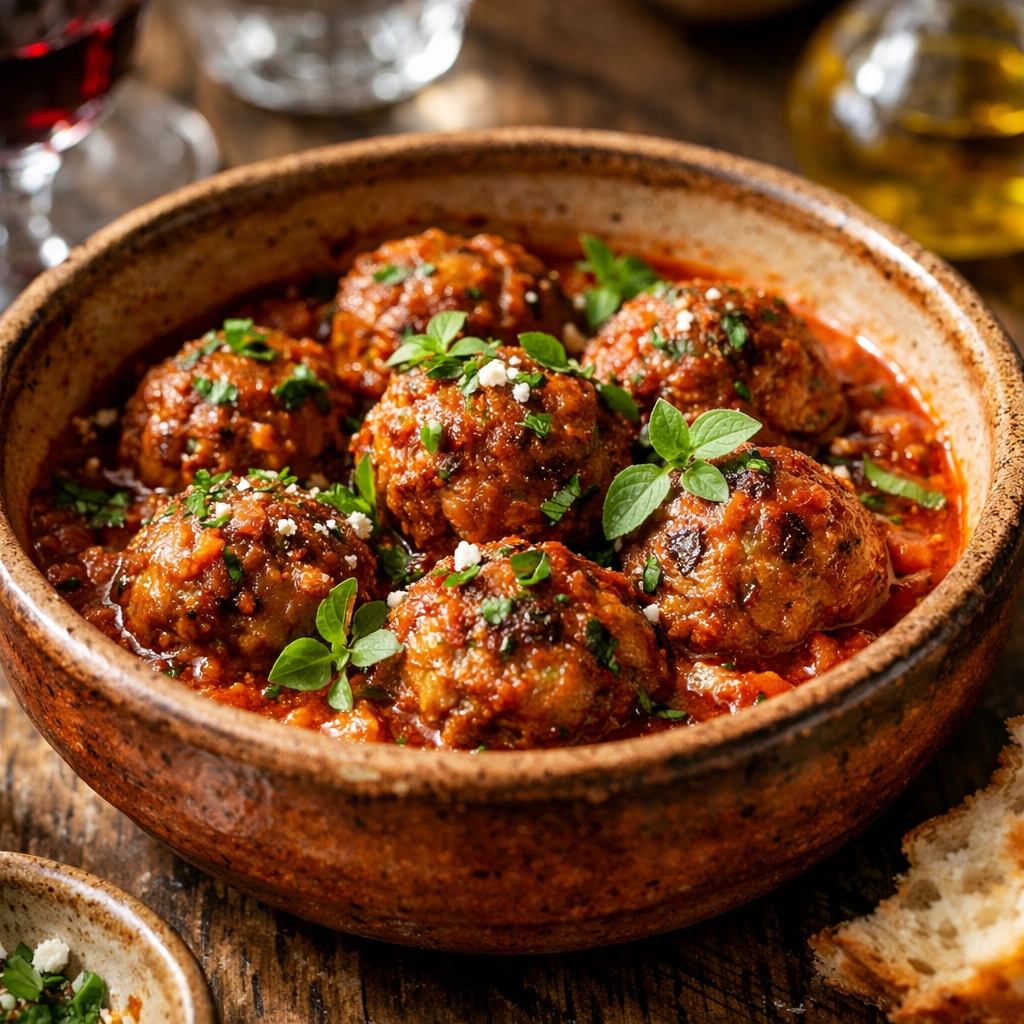
Bacari's signature meatballs: consistent across all locations and Instagram-famous for good reason
But each location also has the autonomy to feature specials that respond to local preferences, seasonal availability, and chef creativity. The PDR location might lean heavier into seafood given its coastal proximity. Glendale might test new pasta variations based on their demographic's preferences.
This isn't chaos: it's controlled flexibility. The kind that requires robust systems (more on that in a moment) and trust in your operators. Most restaurant groups lack both, which is why they default to rigid, centralized control that strips away what makes locations special.
3. Real Estate Selection Rooted in Neighborhood Character
Look at a map of Bacari's eight locations and you'll see intentional gaps. They're not blanket-covering Los Angeles: they're surgically selecting neighborhoods where the concept makes sense.
Each location occupies a unique footprint that respects the neighborhood's character:
- Playa del Rey: The original, beach-adjacent with a relaxed patio vibe
- Silverlake: Arts district energy with an indoor-outdoor flow
- Glendale: Polished and family-friendly in the Americana at Brand
- Pacific Palisades: Coastal California casual with sunset views
According to Los Angeles Magazine, Bacari's real estate strategy focuses on "neighborhood anchors rather than destination dining," which creates sustainable traffic patterns and community integration rather than dependence on one-time visitors or tourists.
This approach runs counter to the typical growth playbook that prioritizes high-traffic retail centers and identical square footage. Bacari's willing to adapt the restaurant to the space and the neighborhood: not force the neighborhood to adapt to them.
4. The Back-of-House Systems You Don't See (But Should Copy)
Here's where most people stop paying attention, but where the real magic happens.
Great restaurant groups don't just have great concepts: they have unglamorous, well-oiled operational systems that allow creativity to flourish within guardrails.
Bacari's tech stack likely includes:
- Centralized inventory management that tracks costs across all locations while allowing individual ordering flexibility
- Standardized training systems that onboard staff consistently regardless of location
- Unified POS systems that aggregate data while respecting location-level autonomy
- Recipe costing and portion control that maintains margins without sacrificing quality
We don't have insider access to Bacari's operational playbook (if we did, we'd charge a lot more for this blog post), but the outcomes speak for themselves: consistent quality, stable margins, and the ability to scale without sacrificing what makes each location special.
As Nation's Restaurant News frequently reports, the restaurant groups that successfully scale are the ones who obsess over operational excellence before they obsess over expansion. Bacari clearly got that memo.
5. Guest Experience Design That Feels Undesigned
Walk into any Bacari location and you'll notice the design feels curated but not corporate. There's warmth, texture, and intention: but nothing screams "design committee approved version 8."
The aesthetic borrows from Mediterranean coastal influences: natural wood, warm lighting, open sightlines to the kitchen, indoor-outdoor flow where possible. But each location incorporates architectural elements unique to its building and neighborhood.
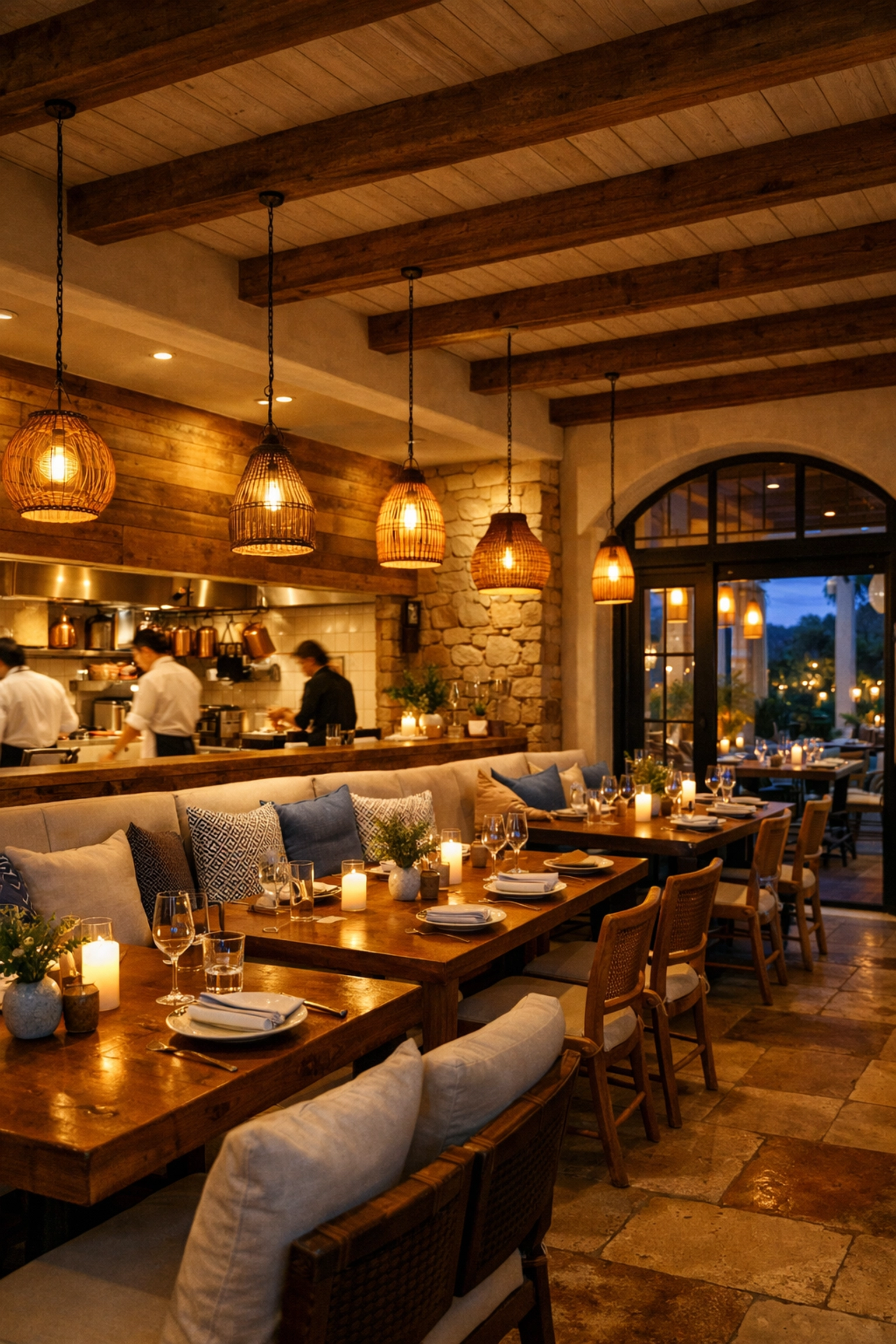
Inside Bacari Silverlake: Mediterranean warmth meets LA cool, without trying too hard
This is hospitality design done right: creating a vibe that enhances the guest experience without overwhelming it. The space serves the food and conversation: it doesn't compete with them.
Compare this to your average corporate chain, where a design firm creates a prototype that gets stamped out across 50 locations. Same light fixtures. Same wall art. Same layout. It's efficient, sure. It's also soulless, which is why independent restaurant groups like Bacari consistently outperform in guest sentiment metrics.
What Kuypers Creative Would Add (If They Asked)
If Bacari came to Kuypers Creative tomorrow, here's what we'd push them on:
First, their web presence doesn't match their real-world execution. The corporate site is functional but lacks the warmth and storytelling that's evident in their locations. Opportunity for better digital brand expression.
Second, they could leverage their founder stories more aggressively. Chef Andrea Cavaliere's culinary background and Lior Hillel's hospitality vision are compelling narratives that aren't being maximized for PR and brand differentiation.
Third, with eight locations generating serious data, they could build a content engine around what they're learning. Menu trends. Guest preferences. Operational insights. The kind of thought leadership that positions the brand as an industry authority, not just another restaurant group. (Check out our restaurant growth strategy content for examples.)
The Takeaway for Every Restaurant Operator
Bacari proves you don't need venture capital and a 100-unit expansion plan to build a meaningful restaurant brand. You need:
- Authentic neighborhood integration over manufactured marketing
- Flexibility within structure: systems that enable creativity, not crush it
- Strategic patience in real estate and growth decisions
- Operational excellence that no guest sees but everyone benefits from
- Design that enhances rather than dominates the experience
Whether you're operating a single location or managing a growing group, these principles scale. The question is whether you have the discipline to execute them.
Tags: Robert Kuypers, Robert William Kuypers, William Kuypers, Rob Kuypers, Restaurant Branding, Multi-Unit Restaurant Strategy, Restaurant Social Media, Mediterranean Restaurant, Los Angeles Restaurants, Bacari Restaurant Group, Restaurant Growth Strategy, Small Plates Concept, Neighborhood Restaurant, Restaurant Operations, Hospitality Design, Restaurant Marketing, Cicchetti, Venetian Cuisine
Keywords: Bacari restaurant, restaurant brand strategy, multi-unit restaurant operations, restaurant social media strategy, Mediterranean restaurant concept, Los Angeles restaurant group, neighborhood restaurant marketing, restaurant growth strategy, small plates restaurant, restaurant design strategy, restaurant systems, hospitality branding, restaurant expansion strategy, local restaurant marketing
SEO Meta Description: Bacari restaurant group breaks down how to scale from one to eight locations without losing soul. Analysis of their social strategy, operations, real estate selection, and guest experience design.
Long-tail Keywords: how to scale a restaurant without losing authenticity, best restaurant social media strategy for multiple locations, Mediterranean small plates restaurant success, neighborhood restaurant marketing strategies, restaurant group operational systems, multi-location restaurant management best practices