

The restaurant technology landscape has evolved from simple cash registers to sophisticated, interconnected systems that drive every aspect of operational excellence. Between 2020 and 2025, the restaurant technology market expanded by 47%, reaching $14.3 billion annually. Yet despite this proliferation of tools, a significant performance gap exists between top-performing independent restaurants and those struggling to maintain profitability.
Research conducted across America's highest-grossing independent restaurants reveals a consistent pattern: successful operators deploy technology across seven specific platform categories. These aren't supplementary nice-to-haves: they represent the foundational infrastructure that separates thriving establishments from those operating on razor-thin margins or heading toward closure.
The Technology Deployment Gap
According to the National Restaurant Association, restaurants actively utilizing integrated technology systems demonstrate 41% better operational efficiency compared to establishments relying on legacy systems or manual processes. This efficiency translates directly to bottom-line performance: restaurants with comprehensive tech stacks average 8.2% higher profit margins.
The disparity becomes more pronounced when examining failure rates. Restaurants lacking modern point-of-sale integration experience failure rates 2.3 times higher within their first three years compared to technologically sophisticated competitors.
Category 1: Point-of-Sale (POS) Platforms
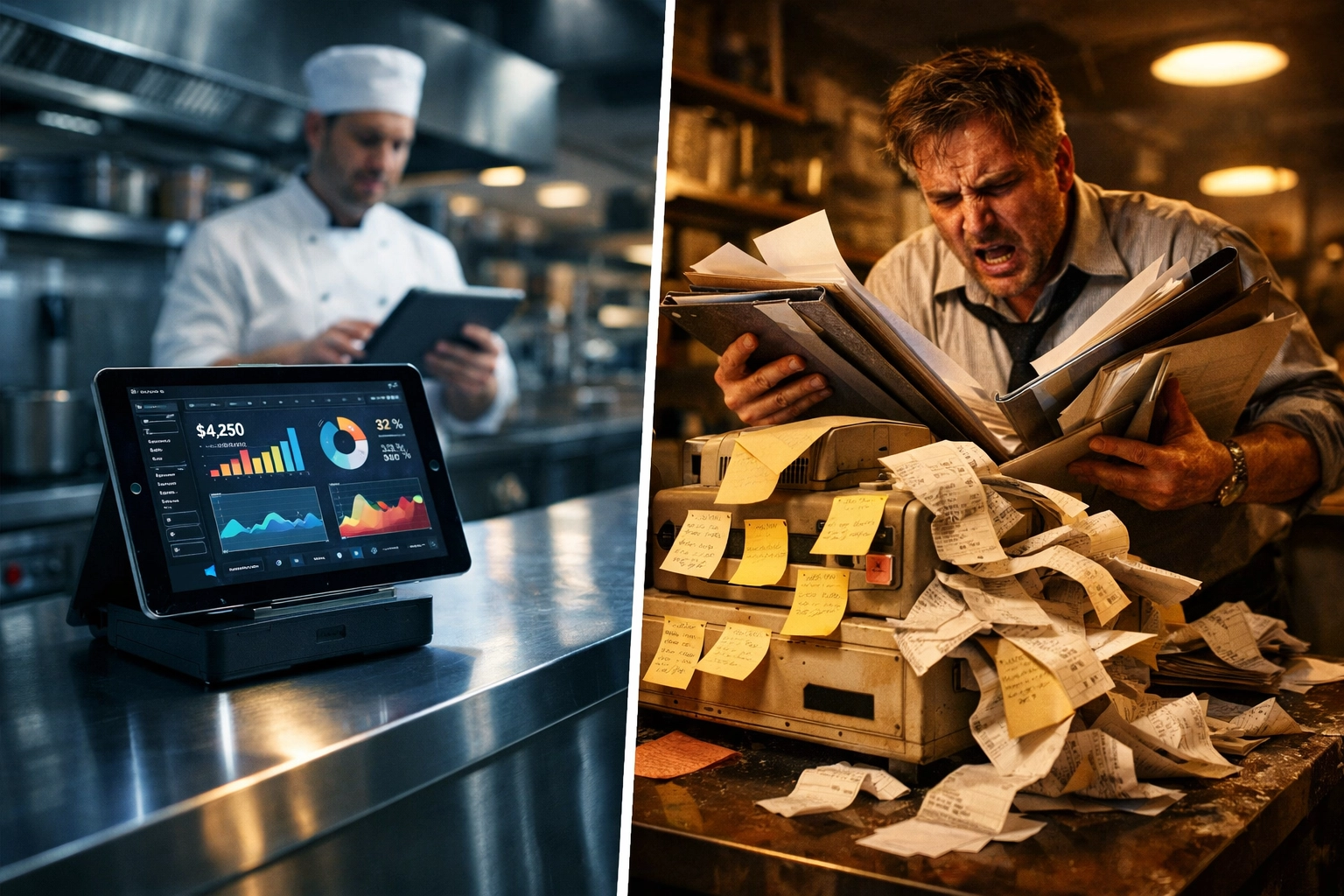
Modern POS systems form the central nervous system of restaurant operations. Unlike legacy register systems, contemporary platforms like Toast, Square for Restaurants, and Lightspeed function as comprehensive restaurant management hubs.
Top-performing restaurants leverage their POS platforms for real-time labor cost tracking, menu engineering insights, and unified ordering across all channels: dine-in, takeout, and delivery. These systems capture transaction data, guest preferences, and operational metrics simultaneously.
Leading independent restaurants configure their POS systems to track item-level profitability, automatically flagging menu items with declining margins or increasing waste. This granular visibility enables continuous menu optimization based on actual performance data rather than intuition.
Category 2: Inventory and Back-Office Finance Management
Inventory management represents one of the most significant controllable cost centers in restaurant operations. Platforms like MarginEdge and MarketMan automate invoice entry, track food costs in real-time, and provide purchasing optimization recommendations.
According to Toast's Restaurant Success Report, restaurants implementing dedicated inventory management systems reduce food cost percentages by an average of 3.2 percentage points. For a restaurant generating $2 million annually, this reduction translates to approximately $64,000 in recovered margin.
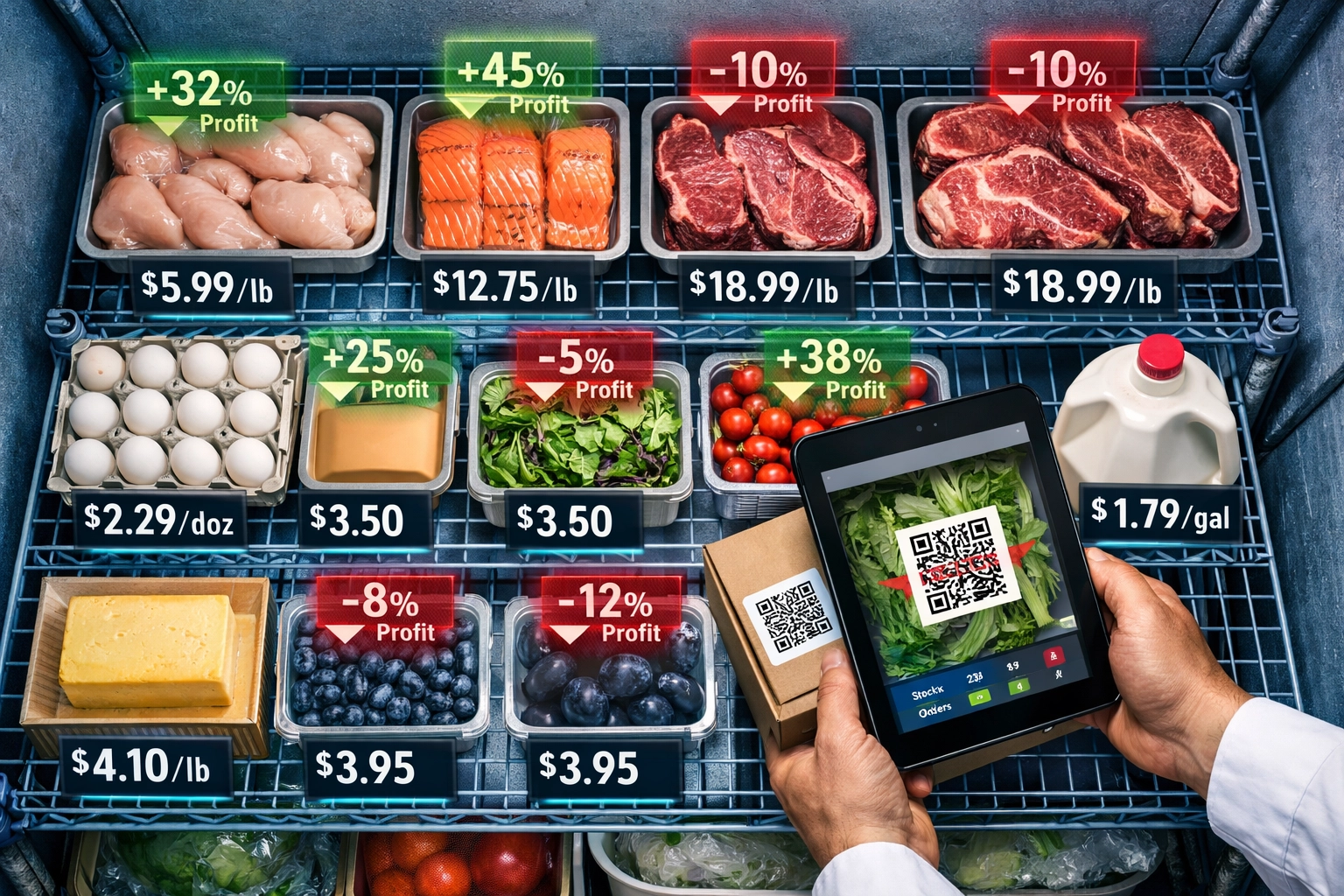
These systems employ optical character recognition (OCR) to digitize invoices automatically, eliminating manual data entry errors. They track actual usage against theoretical costs, surfacing waste, theft, or portioning inconsistencies that erode profitability.
Top independent restaurants conduct weekly variance analysis using these platforms, identifying discrepancies between expected and actual food costs before they compound into significant financial losses.
Category 3: Labor and Team Management
Labor costs represent 30-35% of total restaurant revenue, making workforce optimization critical for profitability. Platforms like 7shifts, Homebase, and When I Work provide scheduling optimization, time tracking, and labor forecasting capabilities.
High-performing restaurants utilize these systems to align labor deployment with predicted demand, reducing both understaffing during peak periods and overstaffing during slower services. Advanced platforms incorporate historical sales data, weather forecasts, and local events to generate optimized schedules automatically.
These systems also address the retention crisis plaguing the industry. Features like shift-swapping, transparent communication channels, and mobile accessibility improve employee satisfaction. Restaurants using dedicated labor management platforms report 23% lower turnover rates compared to industry averages.
Category 4: Digital Ordering and Guest Engagement
Online ordering evolved from a supplementary revenue channel to an essential operational component. Platforms like Olo, BentoBox, and ChowNow enable restaurants to capture digital orders without paying the excessive commission fees charged by third-party marketplaces.
Successful independent restaurants maintain owned-and-operated digital ordering systems alongside their third-party marketplace presence. This dual approach captures guests who prefer ordering directly while maintaining visibility on delivery platforms.
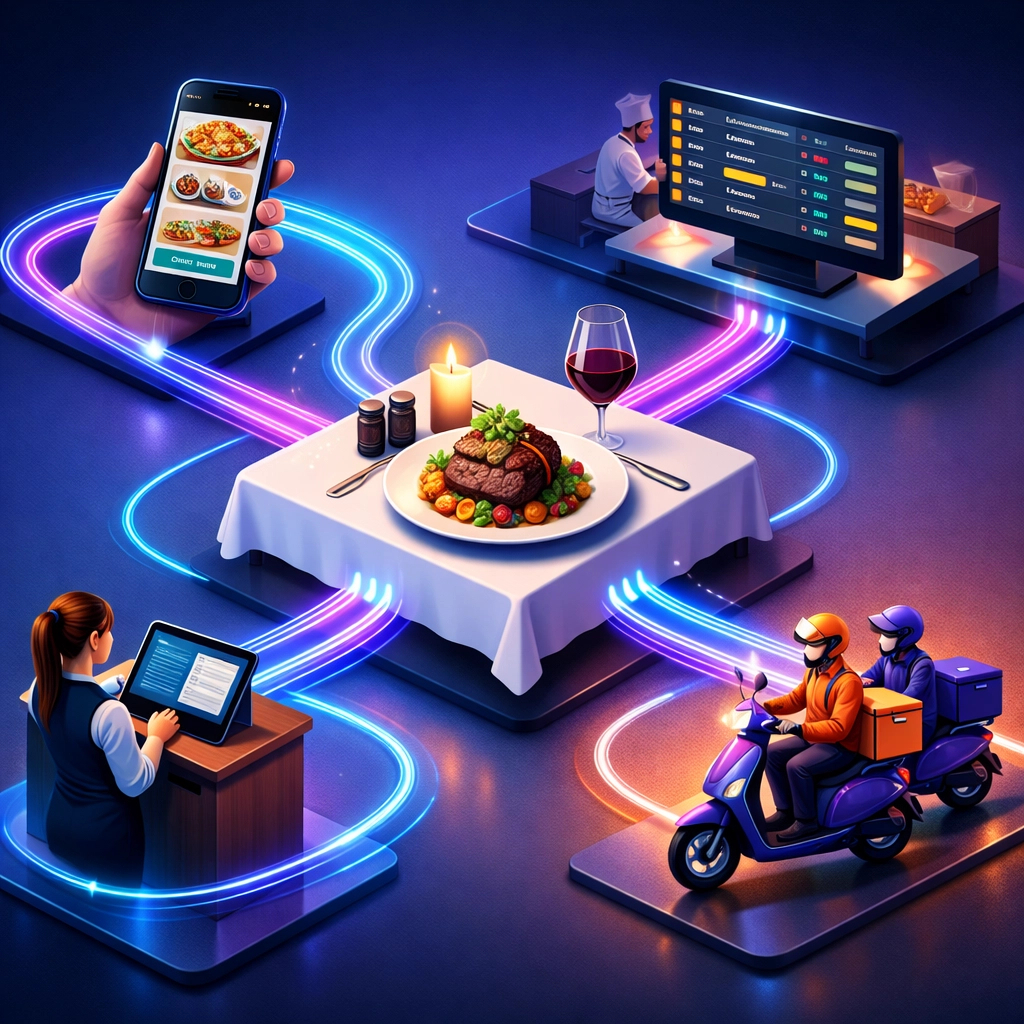
Direct ordering channels provide two critical advantages: reduced transaction costs and first-party customer data ownership. Third-party platforms charge 15-30% commission per order and retain customer relationships. Owned channels cost 3-5% in payment processing and technology fees while building proprietary customer databases.
According to research from Modern Restaurant Management, restaurants with owned digital ordering channels generate 34% higher lifetime customer value compared to those relying exclusively on third-party platforms.
Category 5: Voice AI and Automation
Labor shortages and rising wage costs have accelerated adoption of voice AI technology for phone order handling and reservation management. Platforms like Loman AI and ConverseNow address one of the industry's persistent challenges: missed calls during peak service periods.
Independent restaurants implementing voice AI report capturing 15-22% additional revenue from previously missed phone calls. These systems handle routine inquiries, take orders with upselling prompts, and transfer complex requests to staff members.
The technology provides consistent service regardless of staffing levels or service volume, eliminating the revenue loss that occurs when phones ring unanswered during lunch and dinner rushes.
Beyond order taking, voice AI systems collect customer preferences, dietary restrictions, and ordering patterns, enriching customer relationship databases with information that would otherwise remain uncaptured.
Category 6: Customer Data and Loyalty Programs
Unified customer data platforms aggregate information from all touchpoints: POS transactions, online orders, reservation systems, and loyalty programs. Systems like SevenRooms, Toast Loyalty, and Thanx create comprehensive guest profiles that inform personalized marketing and service.
Top-performing restaurants utilize customer data platforms to segment their audience based on visit frequency, average check size, menu preferences, and engagement responsiveness. This segmentation enables targeted marketing campaigns that generate significantly higher return on investment compared to broadcast messaging.
Loyalty programs integrated with customer data platforms drive measurably higher guest lifetime value. Research indicates that enrolled loyalty members visit 2.7 times more frequently and spend 34% more per visit compared to non-members.
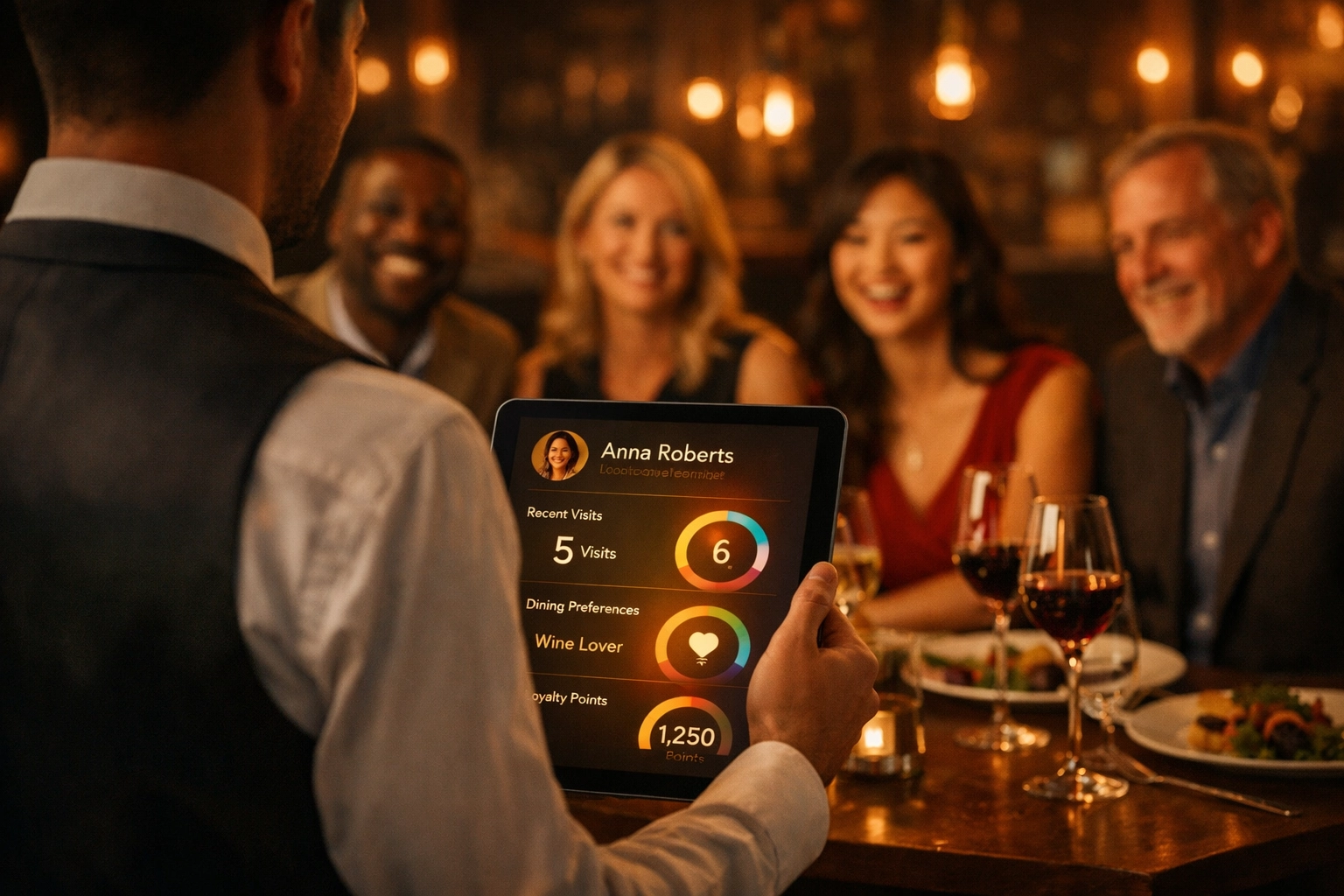
These platforms also enable automated marketing triggered by guest behavior: birthday messages with special offers, win-back campaigns for lapsed customers, and VIP recognition for top spenders. This automation ensures consistent engagement without requiring manual campaign management.
Category 7: Integration and Data Analytics
The final platform category separates sophisticated operations from fragmented technology implementations. Integration platforms and business intelligence tools unify data from disparate systems, creating a single source of operational truth.
Restaurants deploying platforms like MarketMan Analytics, Toast Intelligence, or custom business intelligence dashboards gain visibility into correlations invisible when examining individual systems. These integrations reveal insights like which menu items drive highest profitability per labor hour, which marketing channels generate customers with highest lifetime value, or which service periods deliver optimal revenue per available seat hour.
Modern integration occurs through application programming interfaces (APIs) that connect systems automatically, eliminating manual data transfers and the errors they introduce. This connectivity enables real-time dashboards displaying key performance indicators across all operational areas simultaneously.
Implementation Discipline: The Hidden Differentiator
Platform deployment represents only half the equation. Top independent restaurants distinguish themselves through implementation discipline: active staff training, weekly data review sessions, decision-making based on metrics rather than intuition, and continuous system optimization.
Technology becomes transformative only when organizations establish processes to extract insights and act upon them consistently. Restaurants purchasing sophisticated platforms but failing to utilize their capabilities fully gain minimal competitive advantage.
The Strategic Imperative
The technology gap between America's top-performing independent restaurants and struggling establishments continues widening. As platforms become more sophisticated and interconnected, the operational advantages compound.
Restaurant operators face a strategic choice: invest in comprehensive technology infrastructure and develop organizational capability to leverage it effectively, or accept competitive disadvantage against better-equipped competitors.
For independent restaurants seeking to understand how technology integration fits within broader operational excellence frameworks, Kuypers Creative provides strategic consulting that bridges technology deployment with business performance outcomes.
The seven platform categories outlined above represent the current standard among industry leaders. As technology continues evolving, restaurants must maintain organizational adaptability to incorporate emerging capabilities that drive sustainable competitive advantage.
Keywords and Metadata
Primary Keywords: restaurant technology stack, independent restaurant technology, restaurant POS systems, restaurant management software, restaurant tech integration
Long-Tail Keywords: what technology do successful restaurants use, best restaurant management platforms 2026, how to reduce restaurant food costs with technology, restaurant voice AI automation, restaurant customer loyalty platforms, restaurant inventory management systems
Meta Description: Discover the 7 platform categories America's top 100 independent restaurants use to drive profitability, operational efficiency, and competitive advantage: with data-driven insights and implementation strategies.
Tags: #RestaurantTechnology #RestaurantManagement #TechStack #IndependentRestaurants #RestaurantOperations #FoodTech #HospitalityTechnology #RestaurantConsulting #RobertKuypers #RobertWilliamKuypers #WilliamKuypers #RobKuypers
External References:
- National Restaurant Association: https://restaurant.org
- Toast Restaurant Technology: https://pos.toasttab.com
- Modern Restaurant Management: https://modernrestaurantmanagement.com
Author: Robert Kuypers, CEO, Kuypers Creative
Category: Restaurant Consulting & Creative Services
Published: February 21, 2026