

Welcome to the wild, wonderful, and occasionally wacky world of restaurants in 2025! If you're wondering whether the industry has finally found its footing after years of chaos (spoiler: it's complicated), you've come to the right place. Let's dive into the data, decode the trends, and discover why some restaurants are absolutely crushing it while others are still figuring out how to spell "profitability."
The Numbers Don't Lie (But They Do Tell Stories)
Here's the headline that'll make your accountant do a little dance: global foodservice sales are projected to exceed $4 trillion in 2025. That's trillion with a T, folks. But before you start planning your yacht purchase, let's talk about what's really happening behind those massive numbers.
The restaurant landscape looks like a game of Monopoly where half the players are winning big, and the other half are mortgaging Boardwalk just to stay in the game. 73% of restaurant operators increased their technology investments in 2024, and that momentum is carrying strong into 2025. Translation? The smart money is betting on tech, and the results are showing.
Tech Adoption: From "Nice to Have" to "Can't Live Without"
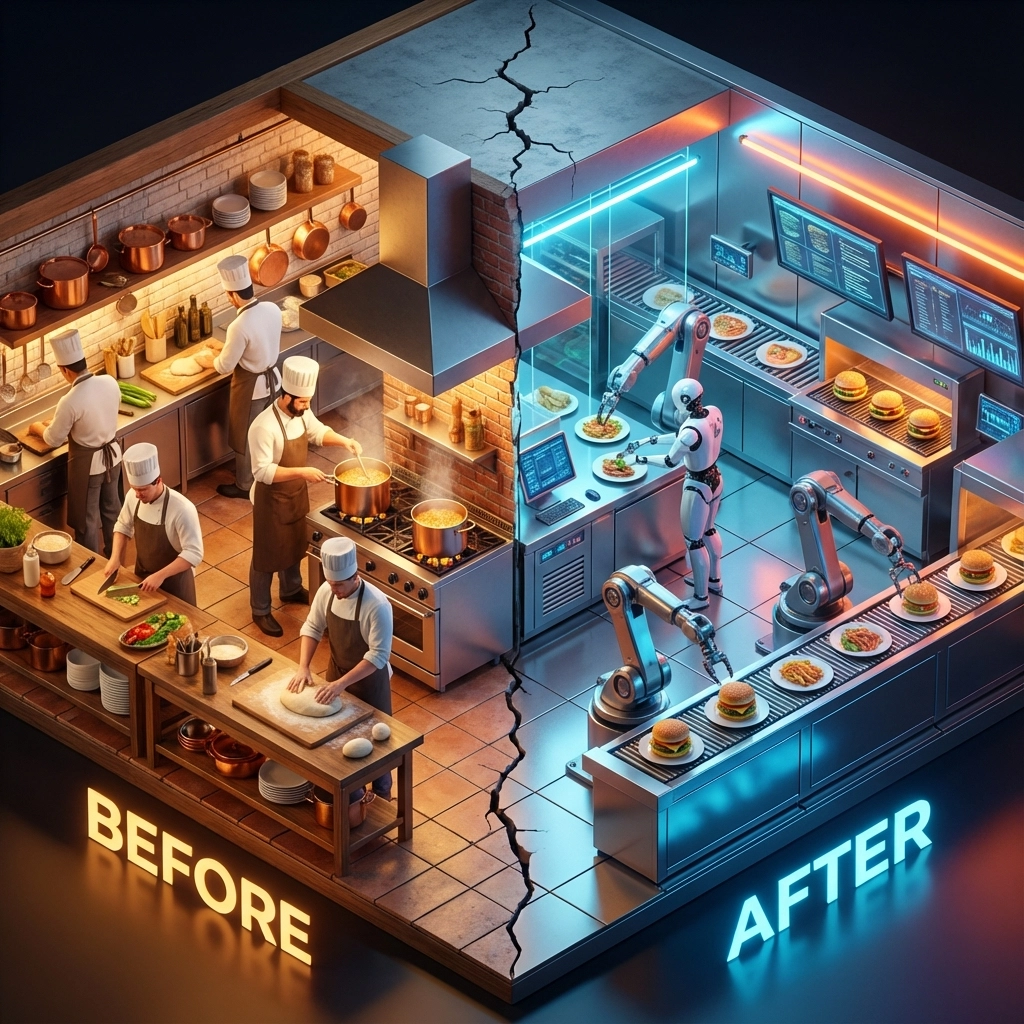
Remember when having a website was considered "fancy"? Those days are deader than yesterday's fish special. Today's successful restaurants are running on restaurant systems pro platforms that would make a NASA engineer jealous. We're talking AI-powered menu optimization, tip management software that actually works (finally!), and kitchen sync strategies that eliminate the chaos of dinner rush.
The real game-changer? Ghost kitchens and delivery-first models aren't just surviving, they're thriving. These operations have cracked the code on reducing overhead while maximizing reach through delivery platforms. It's like having your cake and eating it too, except the cake is profit margins and you're eating it with a digital fork.
Quick Tech Reality Check:
- Cashierless dining through mobile ordering: Standard practice
- AI menu personalization: No longer science fiction
- Robotic kitchen equipment: Handling high-volume demand
- Video analytics for restaurants: Optimizing everything from wait times to theft prevention
Labor: The Great Balancing Act (And Sometimes Circus)
Let's address the elephant in the dining room: staffing. The labor shortage didn't magically disappear in 2025, but something interesting happened. The restaurants that survived (and thrived) learned to work smarter, not harder.
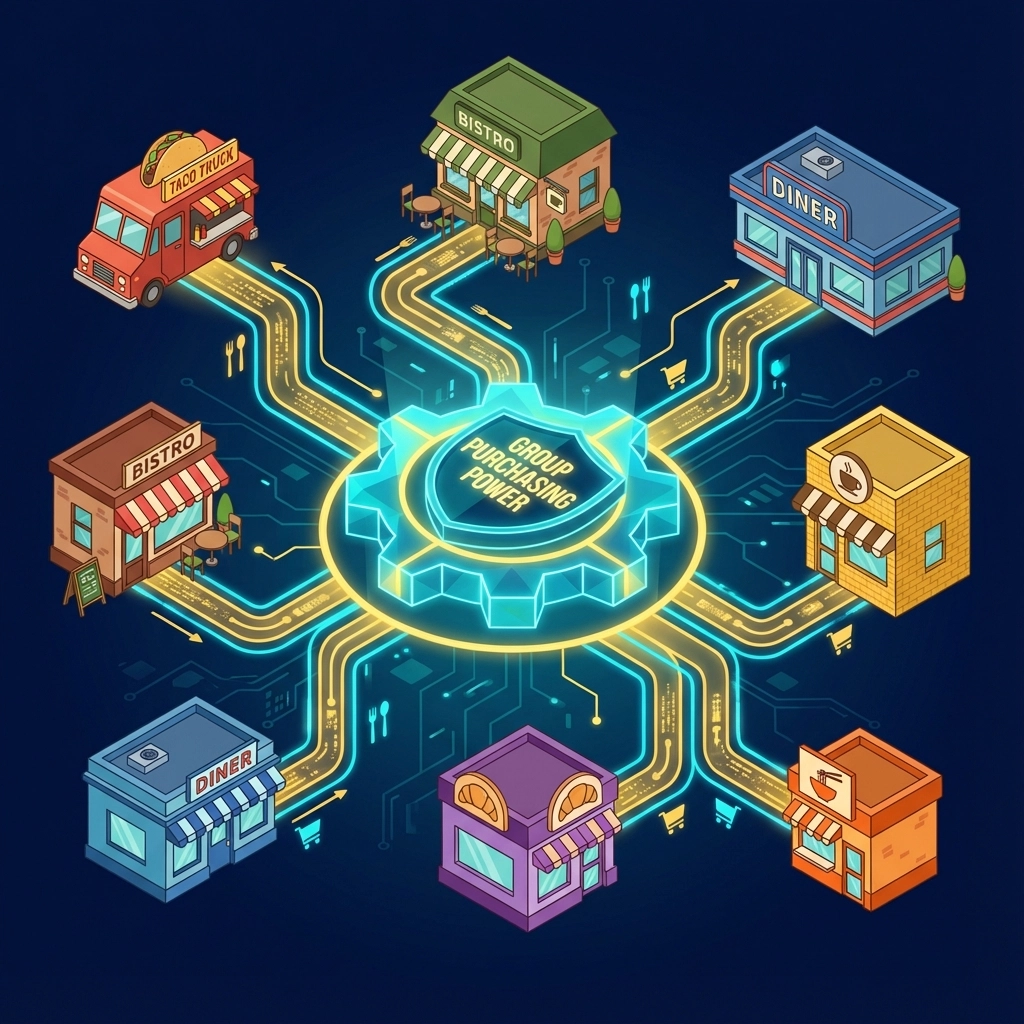
Group purchasing organizations for food service are helping independent operators compete with chain buying power, while smart tip management software is keeping front-of-house staff happy and motivated. But here's where it gets zany: some operators are using tip management systems to randomly "tip" loyalty members with free add-ons. (Shout-out to the creative crews making this work, you're the real MVPs.)
The key insight? Creating positive work culture isn't just HR fluff anymore, it's survival strategy. Restaurants offering competitive benefits, career development, and (wait for it) actual work-life balance are winning the talent war.
Guest Traffic: The Plot Twist Nobody Saw Coming
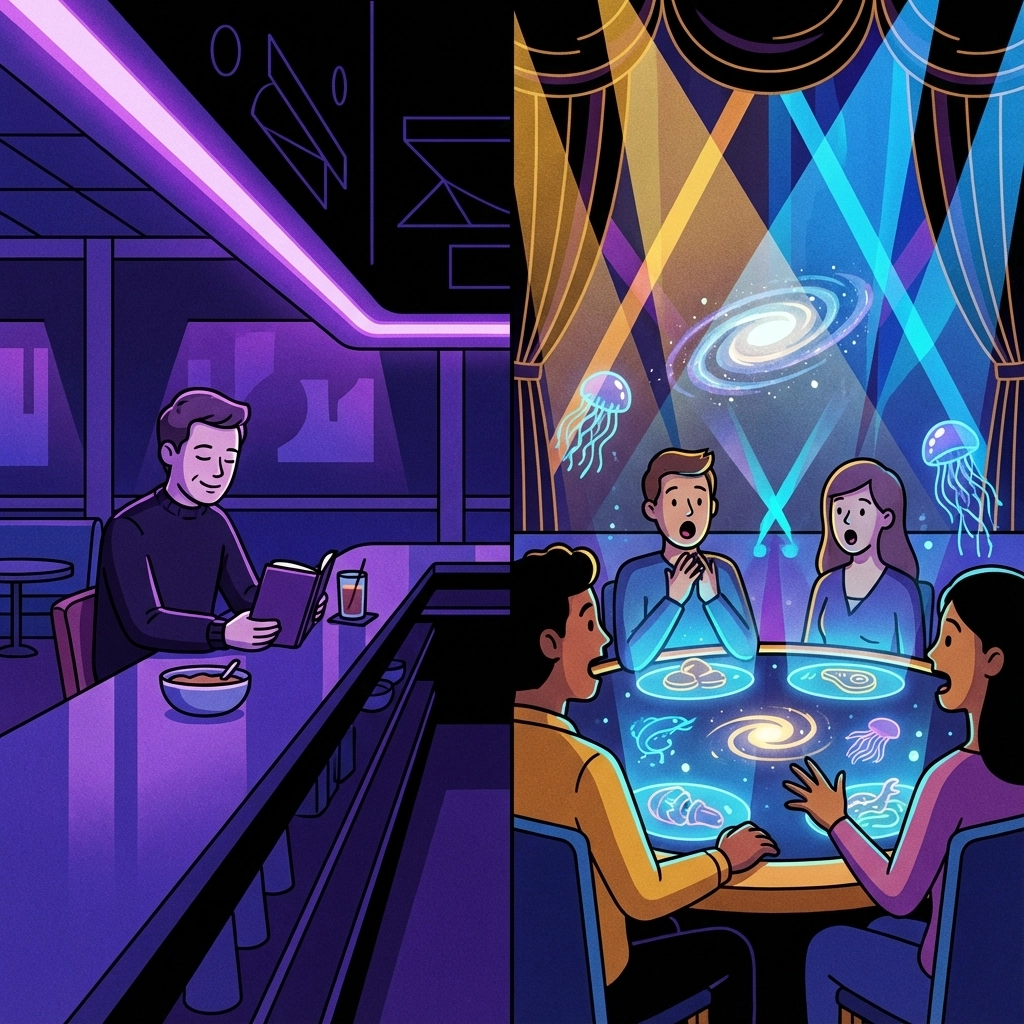
Hold onto your chef's hats for this one: solo dining searches are up 271%. Yes, you read that right. Searches for "best place to eat alone" jumped 150%, and suddenly every smart operator is redesigning spaces with bar seating and communal tables.
But here's the really wild part: while solo diners are booking tables for one, experience-driven restaurants are absolutely exploding. Searches for immersive concepts like "Le Petit Chef" are up 509%. It's like diners want to either eat in peaceful solitude or have their minds completely blown: no middle ground allowed.
The Traffic Breakdown:
- QSR segment: Revival mode thanks to value-conscious consumers
- Casual dining: Noteworthy comeback (who saw that coming?)
- 24-hour establishments: Playing defense with self-service kiosks and mobile ordering
- Fine dining experiences: Thriving on Instagram-worthy storytelling
Delivery: Still King, But Wearing a Different Crown
The delivery wars aren't over, but the battlefield has evolved. Delivery-first models aren't just about getting food from Point A to Point B anymore: they're about creating entire brand experiences that live in the digital space.
Smart operators are using delivery data for menu engineering decisions, optimizing items for travel time and Instagram appeal. (Because if it doesn't look good after a 20-minute car ride, it's not going to generate repeat orders.)
The Failure Files: Why Do Restaurants Fail in 2025?
Here's the uncomfortable truth: restaurants are still failing, but the reasons have shifted. It's not just about location, location, location anymore. The new failure formula looks like this:
Tech + Labor + Value Perception = Success (or Disaster)
Restaurants failing in 2025 typically fall into these traps:
- Ignoring technology adoption (you can't compete with a flip phone in a smartphone world)
- Poor tip management software leading to staff turnover
- Menu pricing that doesn't match current consumer economics
- Failing to adapt to solo dining and experience trends
Group Purchasing: The Unsung Hero of Independent Success
Let's give some love to group purchasing organizations food service providers. These unsung heroes are helping independent restaurants compete with corporate buying power, often saving operations $50K+ annually. It's not sexy, but it's working.
Smart operators are bundling GPO memberships with restaurant system pro platforms to create comprehensive cost-reduction strategies. The result? Margins that actually make sense in today's economy.
The Sustainability and Innovation Dance
Menu innovation in 2025 isn't about guessing: it's about data-driven decision making. Restaurants are leveraging analytics to identify trending ingredients, plant-based innovations, and regionally inspired dishes before they hit mainstream consciousness.
Functional foods, transparency, and sustainability aren't just buzzwords anymore: they're menu requirements. The restaurants winning are those treating these elements as opportunities for differentiation, not compliance burdens.
What's Next? The Crystal Ball Says…
As we look toward the rest of 2025, the message is clear: agility wins. The restaurants succeeding are maintaining flexibility while building deeper connections with increasingly selective consumers who want both value AND memorable experiences.
The secret sauce? It's not actually secret. Success requires:
- Strategic technology investment (hello, restaurant systems pro)
- Data-driven menu strategy
- Operational innovation to manage labor challenges
- Format experimentation (ghost kitchens, anyone?)
- Value perception management in an inflation-conscious market
The Bottom Line (Because Spreadsheets Don't Lie)
The restaurant economy in 2025 is simultaneously the most challenging and most opportunity-rich it's ever been. The operators crushing it are those who embraced change early, invested in the right technology, and never forgot that behind every transaction is a human being looking for value, experience, or sometimes just a quiet meal alone.
Your move, restaurant world. The trends are clear, the tools are available, and the market is hungry (literally and figuratively) for operators who get it.
Want more strategic insights on restaurant success? Connect with Robert on LinkedIn for weekly takes that blend data with a healthy dose of industry reality: linkedin.com/in/robertwilliamkuypers/
Meta Keywords: restaurant systems pro, tip management software, group purchasing organizations food service, video analytics for restaurants, why do restaurants fail, kitchen sync strategies, menu engineering
Hashtags: #RestaurantIndustry #RestaurantTech #FoodserviceTrends #RestaurantSystemsPro #TipManagementSoftware #RestaurantEconomy #FoodInnovation #RestaurantSuccess #MenuEngineering #RestaurantConsulting