

Meta Description: Discover how Group Purchasing Organizations (GPOs) help restaurant owners save $50,000+ annually through collective buying power, streamlined procurement, and strategic supplier relationships.
Here's the brutal truth about restaurant procurement: you're probably overpaying for everything. From prime cuts to paper towels, independent operators get hammered with pricing that would make a corporate chain CEO laugh (and not in a good way).
But here's where it gets interesting: smart restaurant owners have figured out a secret weapon that's been hiding in plain sight: Group Purchasing Organizations (GPOs). These aren't some mystical procurement wizards. They're strategic partnerships that can literally save you $50,000+ annually without changing a single item on your menu.
Ready to stop bleeding money on every delivery truck that pulls up to your dock? Let's dive in.
What Exactly Is a GPO? (And Why You Should Care)
Think of a GPO as your procurement department's much smarter, better-connected cousin. Group Purchasing Organizations aggregate the buying power of multiple businesses to negotiate prices that would make your current suppliers sweat.
Here's the magic: instead of you (a single restaurant) trying to negotiate with massive distributors, you join forces with hundreds or thousands of other food service operations. Suddenly, you're not just ordering 50 cases of chicken per week: you're part of an organization ordering 50,000 cases.
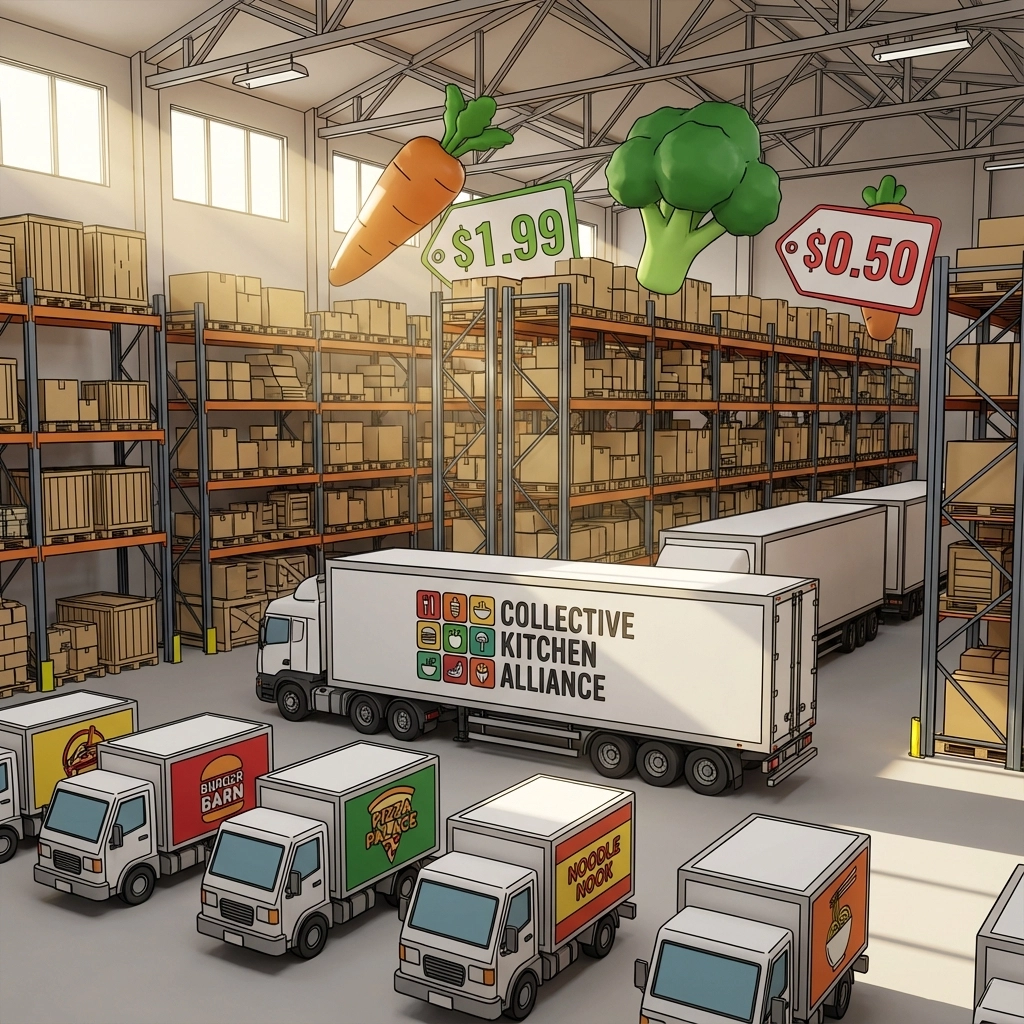
The math is simple, but the results are staggering. When Entegra Procurement Services negotiates with suppliers, they're leveraging the combined purchasing power of restaurants, hotels, healthcare facilities, and educational institutions across the country. That's why their members consistently report savings of 10-15% on food costs alone.
The GPO Business Model (It's Actually Pretty Brilliant)
Most GPOs operate on what's called an "administrative fee" model. Here's the beautiful part: you typically pay nothing to join. The GPO gets paid by suppliers based on volume purchased through their contracts.
This creates a win-win-win scenario:
- You get better pricing than you could negotiate alone
- Suppliers get guaranteed volume and streamlined relationships
- The GPO gets paid for facilitating the entire process
It's like having a professional negotiator on your payroll, except they're free and they specialize in food service procurement.
Breaking Down the $50K+ Savings Formula
Let's get specific about where the money comes from (because vague promises don't pay your rent):
Food & Beverage Costs: $30,000-40,000 Annual Savings
- Prime beef: 12-18% savings through volume contracts
- Produce: 8-15% reduction through strategic sourcing
- Dairy products: 10-20% lower costs via consolidated purchasing
- Specialty ingredients: Access to wholesale pricing previously unavailable
Equipment & Supplies: $8,000-12,000 Annual Savings
- Kitchen equipment: Pre-negotiated pricing on everything from fryers to freezers
- Cleaning supplies: Bulk pricing without bulk inventory requirements
- Paper products: Industrial pricing for restaurant-sized orders
- Smallwares: Access to food service distributor pricing
Non-Food Operational Items: $5,000-8,000 Annual Savings
- Office supplies at commercial rates
- Marketing materials through preferred vendors
- Uniforms and linens at volume pricing
- Technology solutions with group discounts

Real-World Example: A 150-seat restaurant spending $800,000 annually on food and supplies typically saves $48,000-72,000 in their first year with a quality GPO. That's not theoretical: that's math based on actual member data from organizations like Premier Inc. and Vizient.
Who Benefits Most from GPOs?
Independent Restaurants (The Sweet Spot)
If you're running 1-5 locations, GPOs are basically a cheat code. You get corporate-level pricing without corporate-level headaches. This is where the biggest percentage savings happen because independent operators typically pay the highest prices going solo.
Small to Mid-Size Chains (2-50 Units)
You're big enough to care about margins but not big enough to have a full procurement team. GPOs give you the infrastructure of a major chain without the overhead.
Specialty Operations
Hotels with F&B, country clubs, senior living facilities, corporate catering: anywhere food service isn't the primary business but represents significant spending. These operations often lack procurement expertise and benefit enormously from GPO guidance.
Beyond Cost Savings: The Hidden Benefits
Supply Chain Risk Management
Remember 2020-2022? Supply chain disruptions that would've killed independent operators became manageable problems for GPO members. Multiple supplier relationships mean backup options when your primary vendor can't deliver.
Quality Consistency
GPOs work with vetted suppliers who meet strict standards. This means consistent product quality across all your locations (or consistent quality as you grow). No more surprise "upgraded" products that cost more and taste different.
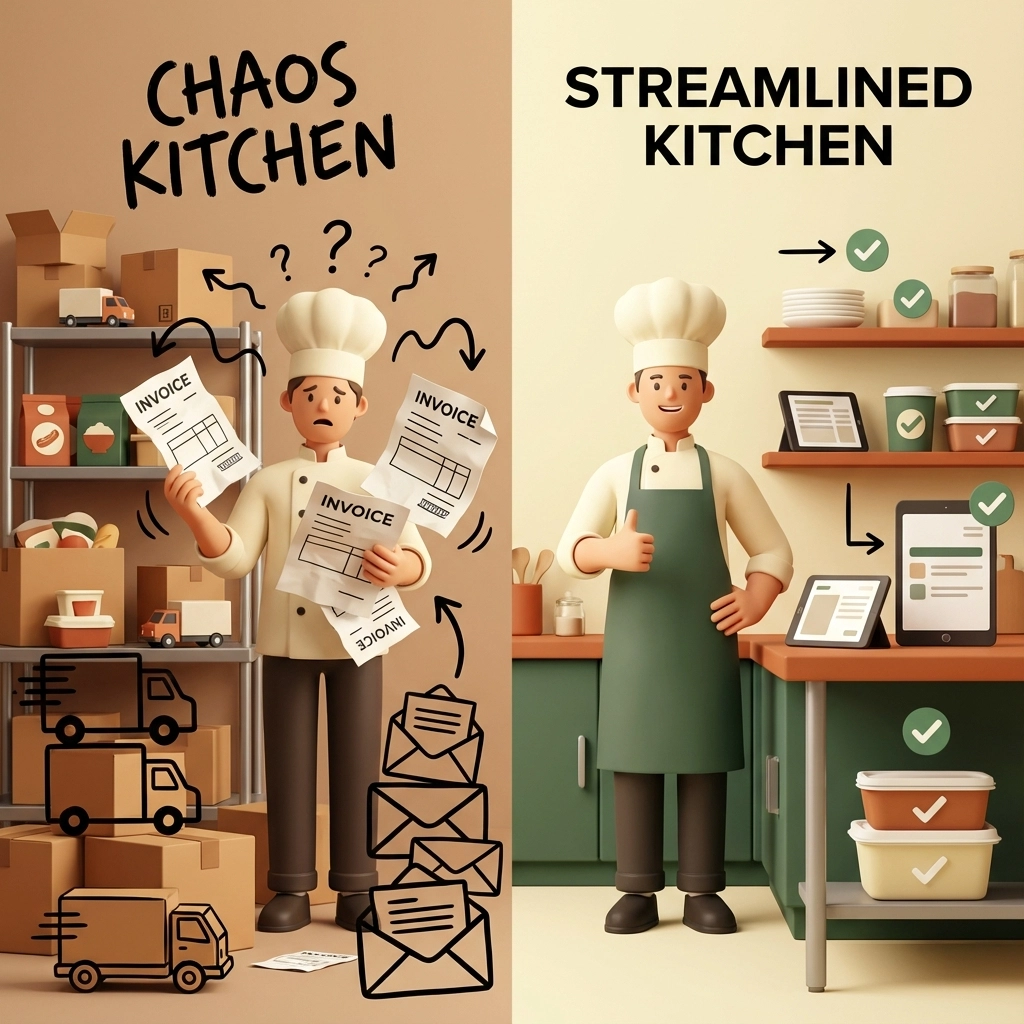
Administrative Efficiency
Instead of managing relationships with 15 different vendors, you're working through streamlined GPO contracts. Less paperwork, fewer phone calls, more time actually running your restaurant.
Technology Integration
Many GPOs offer digital ordering platforms, spending analytics, and inventory management tools. SupplyWorks, for example, provides real-time spending dashboards that show exactly where your money goes.
The Technology Edge
Modern GPOs aren't just negotiating better prices: they're providing data that makes you smarter. Real-time analytics show you:
- Where you're overspending compared to similar operations
- Seasonal pricing trends for menu planning
- Vendor performance metrics
- Opportunities for additional savings
LinkedIn posts from industry leaders like Michael Zupke (CEO of SupplyWorks) consistently highlight how data-driven procurement decisions are separating successful operators from those struggling with margins.
Strategic Implementation (Your Action Plan)
Step 1: Audit Your Current Spending
Get 12 months of purchasing data. You can't improve what you don't measure. Most restaurants are shocked to discover they're spending 32-35% of revenue on food costs when efficient operations run 28-30%.
Step 2: Research GPO Options
Not all GPOs are created equal. Look for:
- Industry specialization in food service
- No membership fees (red flag if they charge you to join)
- Technology platforms for ordering and analytics
- References from similar-sized operations
Step 3: Pilot Program
Start with your highest-volume categories (typically proteins and produce). Track savings meticulously for 90 days. This gives you real data to evaluate the relationship.

Step 4: Full Integration
Once you've validated savings, expand to all procurement categories. Most successful GPO relationships involve 80-90% of purchasing volume within 12 months.
Implementation Pitfalls (And How to Avoid Them)
Mistake #1: Joining Too Many GPOs
Some operators think more is better. Wrong. Splitting volume across multiple GPOs dilutes your buying power and complicates operations.
Mistake #2: Ignoring Non-Food Categories
Food gets attention, but equipment, supplies, and services often have higher margin improvement potential. Don't leave money on the table.
Mistake #3: Set-and-Forget Mentality
GPO relationships require active management. Review performance quarterly, evaluate new contract opportunities, and provide feedback to maximize value.
The Bottom Line Truth
Group Purchasing Organizations aren't magic, but they're the closest thing to free money you'll find in the restaurant business. For most independent operators, GPO membership pays for itself within 30-60 days.
The $50,000+ savings isn't a marketing gimmick: it's simple math. When you combine the purchasing power of hundreds of operations, you get pricing that individual restaurants simply cannot access.
Want to explore GPO options for your operation? Start by analyzing your current procurement spending and researching organizations like Entegra, Premier, or regional food service GPOs in your market.
The only question is: can you afford NOT to be saving this money?
Check out more strategic insights for restaurant growth at Kuypers Creative and discover why so many restaurants fail at our comprehensive guide.
Hashtags: #GroupPurchasingOrganizations #RestaurantProcurement #FoodServiceSavings #RestaurantManagement #FoodCostControl #RestaurantGrowthStrategy #HospitalityProcurement #RestaurantTech #SupplyChainManagement #RestaurantConsulting