

The restaurant industry's most valuable lessons often come from brands navigating transformation. TGI Fridays, Pei Wei Asian Kitchen, and emerging multi-unit operators demonstrate that sustainable growth requires more than concept appeal: it demands robust operational systems, financial discipline, and strategic adaptation. This analysis examines what these brands reveal about the infrastructure required for modern restaurant success.
TGI Fridays: Turnaround Strategy and Franchisee Economics
TGI Fridays filed for Chapter 11 bankruptcy protection in November 2024, closing 50 underperforming locations while maintaining approximately 400 restaurants globally. The brand's subsequent restructuring offers critical insights into operational systems and franchise economics.
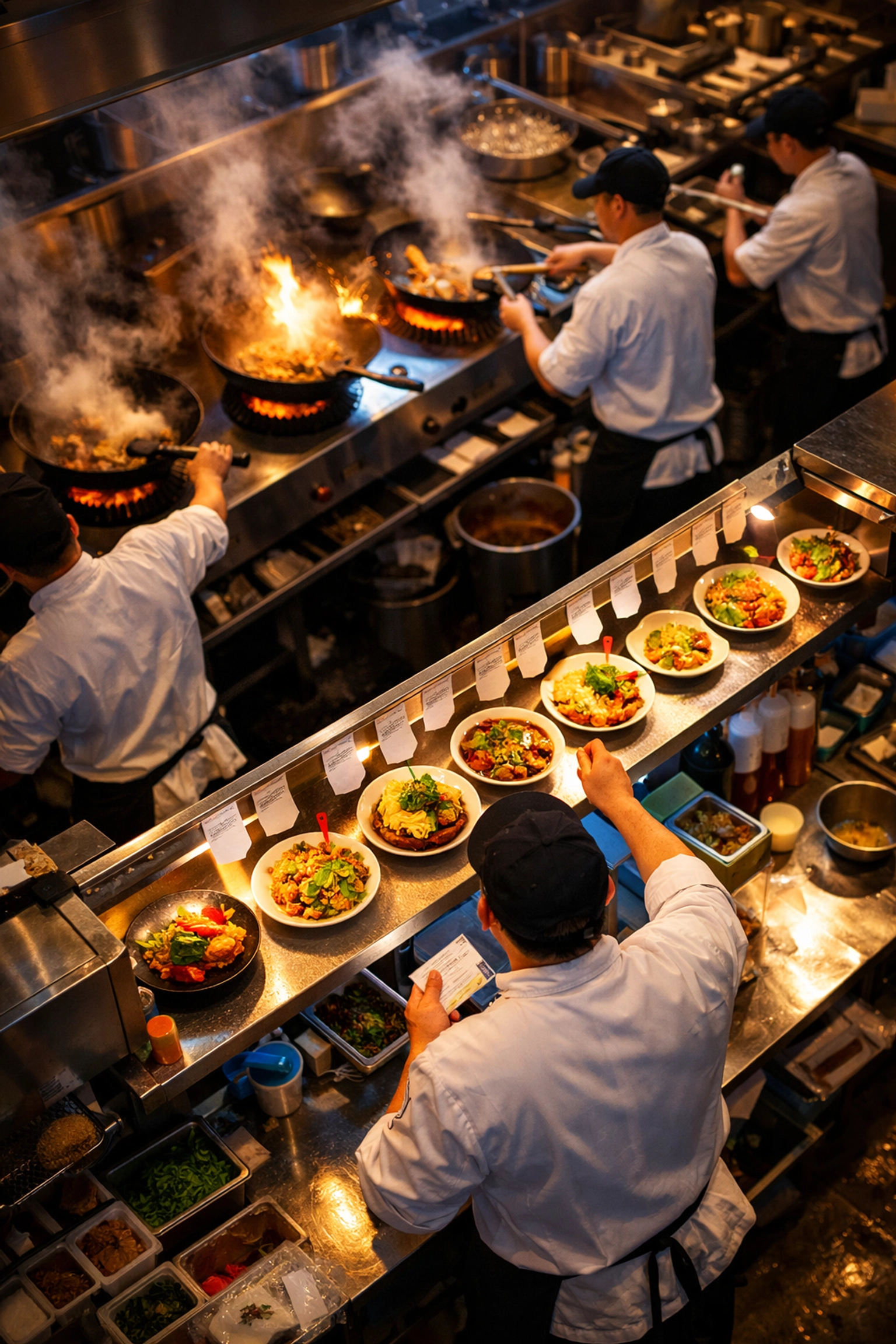
The 1-2-3 Strategic Vision
CEO Ray Blanchette announced an ambitious plan targeting 1,000+ restaurants and $2 billion in annual revenue by 2030, representing more than double the current footprint. According to Nation's Restaurant News, the strategy centers on four operational pillars:
Brand Activation Through Experience Design: TGI Fridays is repositioning around memorable, differentiated guest experiences that justify premium positioning in an increasingly competitive casual dining landscape.
Format Flexibility Across Channels: The brand has signed agreements for non-traditional locations including airports, hotels, and entertainment venues alongside traditional restaurant formats. This diversification reduces dependency on single-channel performance.
Franchisee Profitability as Growth Foundation: Blanchette emphasized that development agreements mean nothing without operator profitability. The company signed 150 restaurant and development agreements in six months following bankruptcy filing, suggesting renewed franchisee confidence tied to improved unit economics.
People Investment and Retention: Operational consistency depends on reduced turnover and skilled management. The turnaround plan includes structured training programs and career development pathways.
The TGI Fridays case demonstrates that legacy brands require systems capable of supporting multiple formats while maintaining brand standards. Their technology infrastructure now prioritizes real-time data visibility across locations, enabling corporate teams to identify underperforming units before they become liabilities.
Social Channels:
Pei Wei Asian Kitchen: Fast-Casual Systems at Scale
Pei Wei Asian Kitchen operates approximately 200 locations across the United States, positioning itself as an accessible Asian-fusion fast-casual concept. Originally founded in 2000 as a P.F. Chang's spinoff, Pei Wei was acquired by private equity firm Centerbridge Partners in 2019 for approximately $300 million.
Operational Model and Kitchen Efficiency
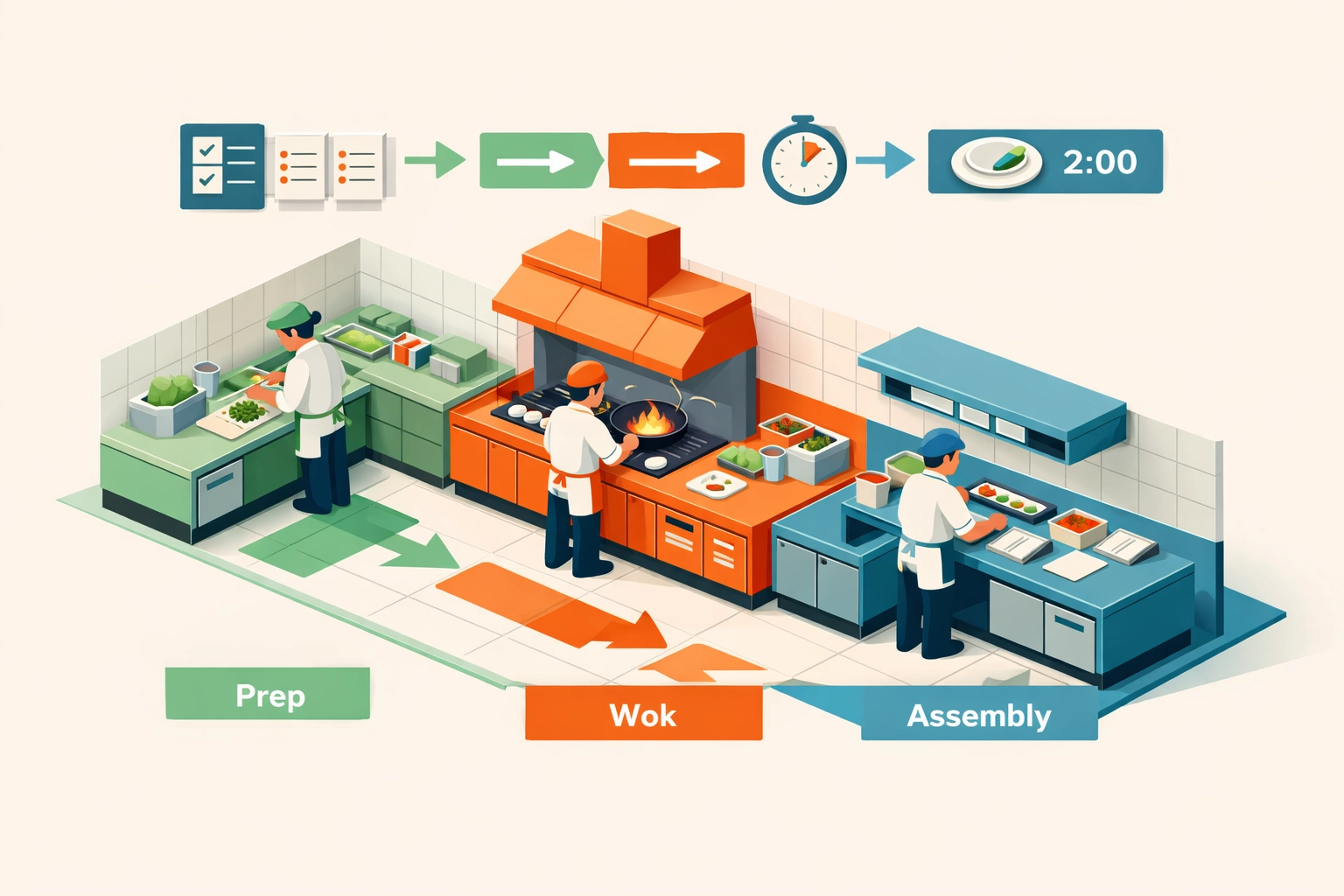
Pei Wei's success derives from streamlined kitchen systems that balance customization with speed. The brand employs a wok-forward cooking method that allows for made-to-order customization while maintaining sub-10-minute ticket times during peak periods.
Key operational systems include:
Simplified Menu Architecture: The menu features approximately 20 core items with modular protein and preparation options. This approach reduces SKU complexity while providing perceived variety.
Kitchen Layout Optimization: Pei Wei locations utilize galley-style kitchens with clearly defined stations for prep, wok cooking, and assembly. This design minimizes cross-traffic and improves throughput during rush periods.
Technology Integration: The brand implemented enterprise POS systems connected to kitchen display systems (KDS) that route orders based on station capacity rather than simple queue timing. This dynamic routing prevents bottlenecks during complex order sequences.
Supply Chain Standardization: Pei Wei maintains approximately 15 primary suppliers for core ingredients across all locations, ensuring consistency while leveraging purchasing power. The brand uses centralized distribution centers in key markets to reduce per-unit logistics costs.
According to QSR Magazine, Pei Wei's average unit volumes range from $1.1-1.3 million annually, with four-wall EBITDA margins between 12-15 percent for optimized locations. These metrics reflect the efficiency gains achievable through disciplined systems implementation.
Social Channels:
Rising Stars: Bacari and the Multi-Concept Approach
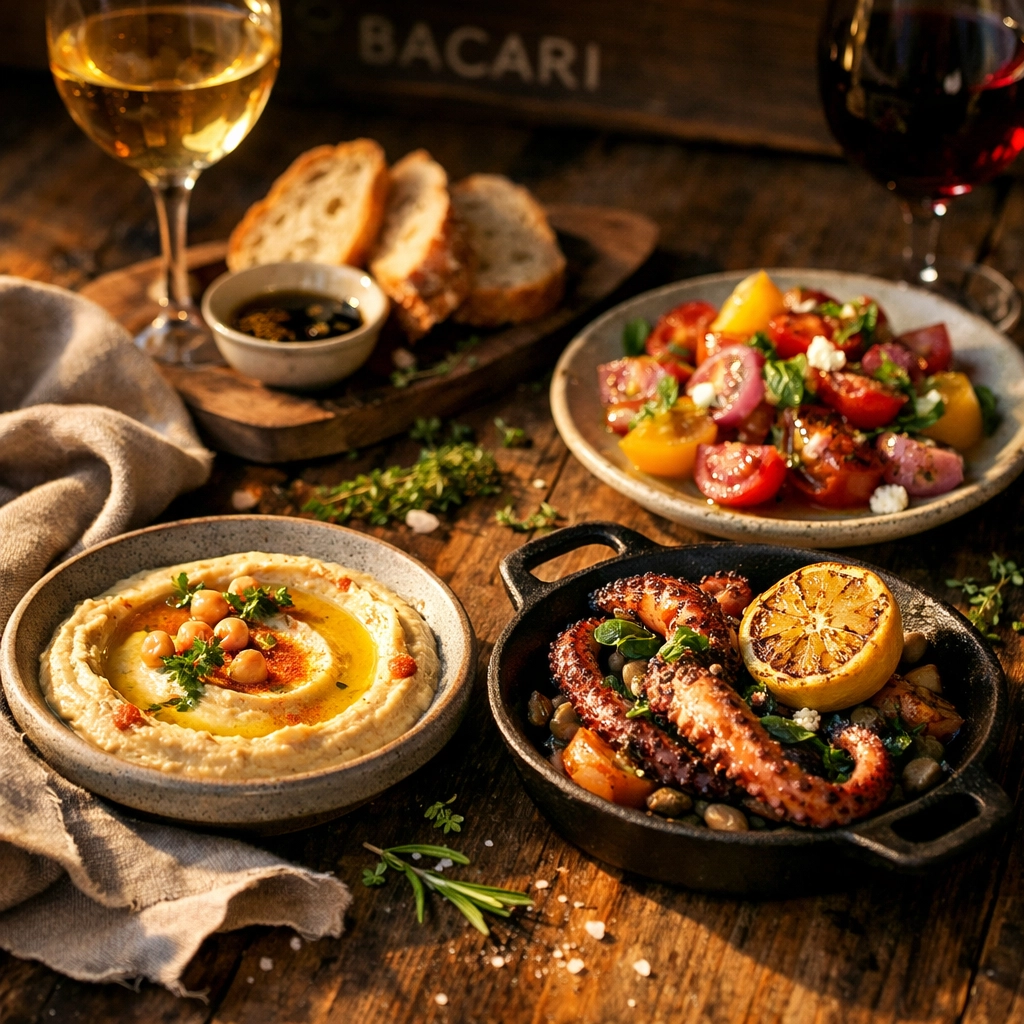
The Bacari restaurant group demonstrates how emerging operators build scalable systems from inception. Founded in Los Angeles, Bacari operates multiple small-plate Mediterranean concepts across Southern California.
Systems Built for Replication
Bacari's growth strategy emphasizes replicable operational systems rather than hero-chef dependency:
Standardized Recipe Systems: All recipes utilize gram-weight measurements and specific plating specifications documented with photography. This removes ambiguity and reduces training time for new kitchen staff.
Centralized Prep Facilities: The group operates commissary kitchens that handle high-volume prep items like sauces, marinated proteins, and par-cooked grains. Individual locations focus on final cooking and plating, improving consistency across units.
Real-Time Inventory Management: Bacari implemented cloud-based inventory systems that track usage by recipe component. This granular data identifies portion control issues and recipe cost deviations before they impact margins.
Talent Pipeline Development: Rather than relying on external hiring for management positions, Bacari promotes from within using structured career tracks. General managers typically spend 18-24 months in various roles before leading their own location.
These systems enable rapid expansion while maintaining brand integrity: a challenge that defeats many emerging restaurant groups attempting to scale beyond three or four locations.
Social Channels:
System Lessons Across Brand Scales
Several operational principles emerge from analyzing these diverse brands:
Financial Transparency Drives Decision Quality: All three brands prioritize real-time financial visibility. TGI Fridays' turnaround depends on identifying underperforming locations quickly. Pei Wei monitors per-station productivity. Bacari tracks cost variance by recipe component. This granular data enables operational teams to address problems before they compound.
Technology as Operational Backbone: Modern restaurant systems require integrated technology platforms. Point-of-sale systems must communicate with kitchen display systems, inventory management, labor scheduling, and financial reporting. Fragmented technology creates data silos that hide operational inefficiencies.
Franchisee Economics Determine Growth Velocity: TGI Fridays' 150 signed development agreements following bankruptcy demonstrate that unit-level profitability attracts expansion capital. Brands cannot scale through corporate evangelism alone: franchisees must see clear paths to positive returns.
Supply Chain Sophistication Enables Consistency: Pei Wei's 15-supplier model and Bacari's commissary approach both recognize that consistency begins with procurement. Restaurants cannot deliver uniform guest experiences when ingredient quality and specifications vary by location.
Format Flexibility Reduces Channel Risk: TGI Fridays' push into non-traditional venues mirrors broader industry trends. Brands that can operate profitably in airports, hotels, ghost kitchens, and traditional restaurants reduce dependency on any single format's performance.
Industry Context and Forward Application
The National Restaurant Association's 2025 State of the Industry Report projects restaurant sales exceeding $1 trillion for the first time, yet individual operator margins remain compressed by labor costs, real estate expenses, and delivery platform fees. This environment rewards operational efficiency and systems discipline.
Restaurant operators examining their own infrastructure should evaluate:
- Data Integration: Can leadership access real-time financial and operational metrics across all locations from a single dashboard?
- Recipe Standardization: Are recipes documented with sufficient precision that any trained cook can execute them consistently?
- Supply Chain Redundancy: Does the operation have backup suppliers for critical ingredients, or do single-source relationships create vulnerability?
- Talent Development: Is there a documented career progression that develops management talent internally, or does growth require constant external hiring?
- Technology Debt: Are legacy systems preventing integration of modern tools for inventory management, labor optimization, and guest data capture?
These questions separate scalable operations from concepts that remain trapped at one or two locations despite strong consumer appeal.
Related Topics: Restaurant systems implementation, franchise economics, multi-unit restaurant operations, fast-casual kitchen design, restaurant technology infrastructure, supply chain optimization, restaurant turnaround strategy, operational scalability
Author: Robert Kuypers | Kuypers Creative
Tags: Robert Kuypers, Robert William Kuypers, William Kuypers, Rob Kuypers, restaurant consulting, brand strategy, operational systems, TGI Fridays, Pei Wei Asian Kitchen, Bacari restaurants, franchise development, restaurant technology, kitchen efficiency, multi-unit operations
Keywords: restaurant systems, TGI Fridays turnaround, Pei Wei operations, restaurant franchise economics, fast-casual kitchen design, multi-unit restaurant strategy, restaurant technology platforms, supply chain management restaurants, operational scalability, restaurant brand analysis, casual dining turnaround, restaurant consulting services, kitchen efficiency systems, franchisee profitability, restaurant growth strategy
Long-tail Keywords: how do successful restaurants scale operations, what systems do multi-unit restaurants need, TGI Fridays bankruptcy turnaround strategy, Pei Wei kitchen efficiency model, restaurant franchisee profitability factors, operational systems for restaurant growth, technology infrastructure for restaurant chains, supply chain optimization for restaurants, how emerging restaurant brands scale successfully, restaurant operational excellence framework