
The independent restaurant landscape is littered with concepts that either never scale or lose their soul in the process of expansion. Bacari represents a different trajectory. Since opening its first location in Venice, California in 2013, this small-plates Mediterranean concept has grown to eight locations across Los Angeles while maintaining the intimate, neighborhood-focused approach that defined its original success.
For independent operators evaluating their own growth strategies, Bacari's evolution offers a masterclass in measured expansion, operational consistency, and brand preservation.
The Origin Story: Small Plates, Big Vision
Bacari was founded by CEO Joseph Sinatra, alongside his co-founders Steven Livigni and Pablo Moix, who brought decades of combined hospitality experience to the concept. The name "Bacari" references the small wine bars of Venice, Italy: intimate establishments where locals gather for small plates and conversation.
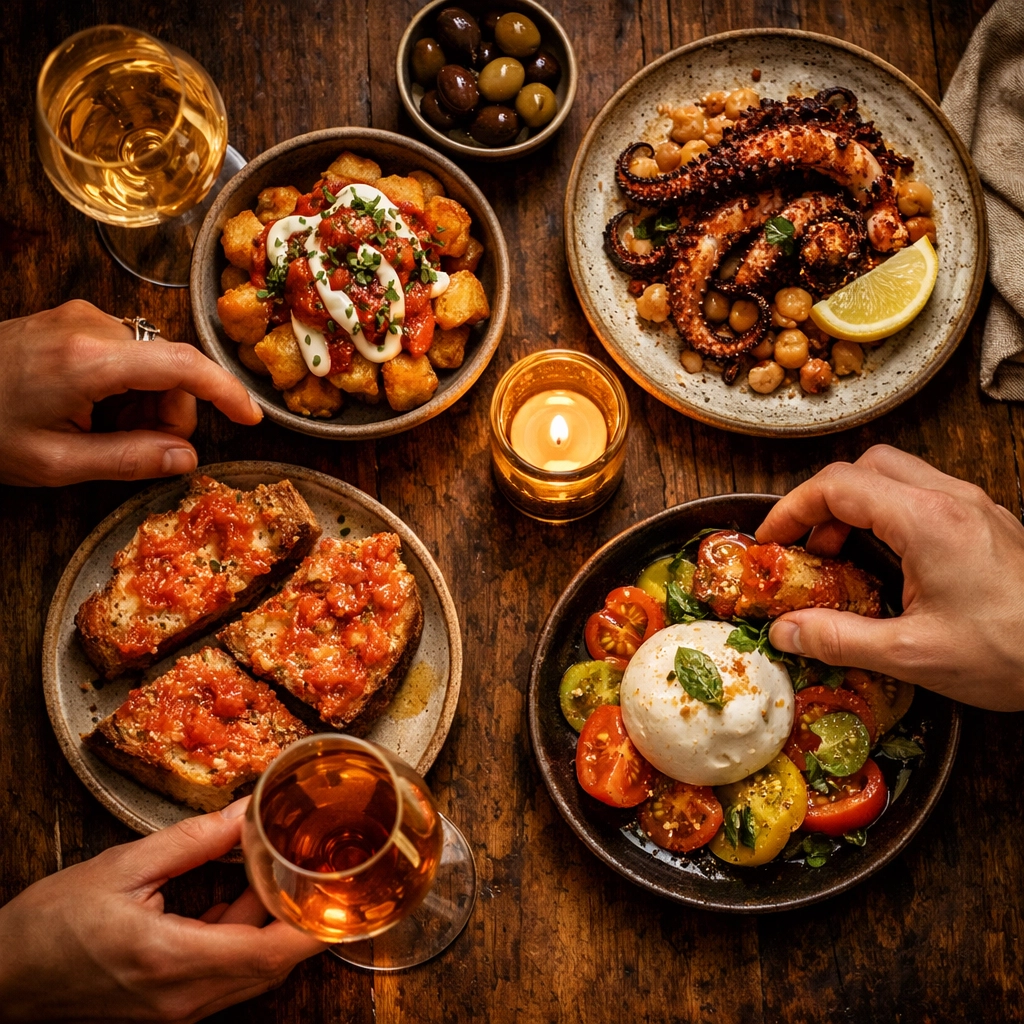
The inaugural Venice location opened with a focused concept: Mediterranean small plates, natural wines, and an atmosphere that prioritized neighborhood integration over tourist appeal. The 1,200-square-foot space seated approximately 50 guests and established the operational template that would define subsequent locations.
The initial menu featured Spanish and Italian influences, with dishes designed for sharing and priced to encourage multiple orders per table. Average check size remained modest, but table turns and per-guest item counts drove revenue performance.
Strategic Expansion: 2015-2025
Bacari's growth trajectory demonstrates restraint uncommon in the restaurant industry. Rather than pursuing aggressive franchise or private equity-backed expansion, the group maintained ownership control and added locations based on operational capacity and market opportunity.
Location Timeline:
- 2013: Venice (Original)
- 2015: Glendale
- 2016: Silverlake
- 2017: Pacific Palisades
- 2019: Brentwood
- 2021: West Hollywood
- 2023: Arts District
- 2024: Pasadena
Each location maintained the small-plates format while adapting to neighborhood demographics. The Glendale location, for example, incorporated more family-friendly seating configurations, while the West Hollywood space emphasized late-night service and craft cocktails.
According to Nation's Restaurant News, the group has maintained consistent unit-level economics across locations, with average unit volumes between $2.5M-$3.5M annually. These figures position Bacari in the upper tier of independent casual dining performance.
Operational Systems: The Infrastructure Behind Consistency
Bacari's ability to maintain quality across eight locations stems from centralized systems and decentralized execution: a balance many independent operators struggle to achieve.
Key Operational Components:
Menu Consistency: The core menu remains approximately 80% consistent across locations, with 20% flexibility for seasonal specials and neighborhood preferences. This ratio allows for operational standardization while preserving chef creativity.
Supply Chain: Bacari operates with a hybrid procurement model. Proteins, produce, and core ingredients are sourced through centralized vendor relationships negotiated at group level. Wine and specialty items are purchased by individual general managers to maintain location-specific character.
Training Systems: New managers complete a six-week training rotation across multiple locations before assuming leadership roles. This cross-pollination ensures operational consistency and builds relationships across the group.
Technology Integration: The group implemented Toast POS systems in 2019, enabling centralized reporting, inventory management, and labor scheduling across all locations. This infrastructure provides real-time visibility into unit-level performance and allows for rapid identification of operational deviations.
Financial Performance and Growth Capital
Unlike many restaurant groups that pursue expansion through institutional investment, Bacari has maintained bootstrap growth supplemented by strategic debt financing. This approach preserved ownership control but required disciplined capital allocation.
Construction costs for new locations have averaged $800,000-$1.2M depending on size and required tenant improvements. The group has targeted 18-24 month payback periods on new unit investment, a conservative timeline that reduces financial risk.
Pre-opening cash requirements, including working capital and initial inventory, add approximately $150,000-$200,000 per location. This total investment of $1M-$1.4M per unit is significantly lower than full-service casual dining competitors, largely due to smaller footprints and limited kitchen equipment requirements.
Social Media and Digital Presence
Bacari maintains active social media presence across platforms, with location-specific accounts complementing the main brand channels:
Primary Brand Channels:
- Instagram: @bacari.la (38.5K followers)
- Facebook: Bacari
- Website: bacari.com
Founder Profiles:
- Joseph Sinatra: LinkedIn
The group's social media strategy emphasizes food photography, behind-the-scenes content, and user-generated posts from guests. Average engagement rates exceed 4%, well above industry benchmarks for restaurants in the 30K-50K follower range.
Recent Press and Recognition
Bacari has received consistent recognition from Los Angeles food media:
- Eater LA has featured multiple locations in neighborhood dining guides
- Los Angeles Magazine included Bacari Venice in its "99 Essential Restaurants" list
- The Los Angeles Times food section has profiled the group's expansion strategy
In December 2025, Bacari announced plans for its ninth location in Manhattan Beach, scheduled to open in Summer 2026. This marks the group's first South Bay location and represents continued geographic expansion within the Los Angeles market.
Lessons for Independent Operators
Bacari's trajectory offers specific insights for independent restaurants evaluating growth:
Focus on Replicable Systems: The small-plates format and limited kitchen equipment requirements create operational simplicity that scales effectively. Concepts requiring extensive cooking techniques or specialized equipment face higher barriers to consistent multi-unit execution.
Maintain Unit Economics Discipline: By targeting specific payback periods and maintaining consistent average unit volumes, Bacari avoided the trap of expansion-driven cash flow problems. Many restaurant groups open new locations before existing units achieve operational stability, creating compounding financial stress.
Preserve Brand Authenticity: The decision to maintain neighborhood focus and resist tourist-oriented locations has preserved brand positioning. Each Bacari location functions as a neighborhood gathering place rather than a destination restaurant, creating sustainable local customer bases.
Control Growth Pace: Eight locations in twelve years represents measured expansion. This pace allowed for operational system development, management team growth, and cash flow generation to fund subsequent openings.
Leverage Technology Appropriately: The POS implementation provided centralized visibility without requiring complex enterprise systems. Independent operators often either under-invest in technology or over-invest in solutions that exceed operational needs.

Current State and Future Trajectory
As of February 2026, Bacari operates eight locations with the ninth under development. The group employs approximately 340 team members and generates estimated annual revenue of $24M-$28M based on reported unit volumes.
The leadership team has indicated interest in continued Los Angeles expansion, with potential markets including Orange County and the San Fernando Valley. However, the group has explicitly rejected franchise opportunities and out-of-state expansion, prioritizing operational quality over growth velocity.
This strategic focus represents a clear position in the independent restaurant landscape: measured growth, operational excellence, and brand preservation over aggressive scaling.
For independent operators, Bacari demonstrates that sustainable multi-unit success remains achievable without private equity capital, franchise systems, or geographic sprawl. The model requires disciplined execution, patient capital, and willingness to prioritize long-term brand value over short-term growth metrics.
The question for other independent restaurants is not whether to replicate Bacari's exact approach, but rather which elements of their operational philosophy align with your own concept and market position. Growth for growth's sake destroys more independent restaurants than market conditions or competition. Bacari's success stems from understanding this fundamental principle and building systems that support sustainable expansion without sacrificing the qualities that created initial success.
Tags: Robert Kuypers, Robert William Kuypers, William Kuypers, Rob Kuypers, Restaurant Growth Strategy, Independent Restaurants, Multi-Unit Operations, Restaurant Expansion, Small Plates Concept, Mediterranean Dining, Los Angeles Restaurants, Restaurant Operations, Hospitality Leadership
Keywords: Bacari restaurant, independent restaurant growth, restaurant expansion strategy, multi-unit restaurant operations, small plates restaurant, Mediterranean restaurant concept, Los Angeles restaurant group, restaurant scalability, independent restaurant success, restaurant operational systems, sustainable restaurant growth, neighborhood restaurant concept
External Resources:
- Nation's Restaurant News – Industry Analysis
- Eater LA – Los Angeles Dining Coverage
- Los Angeles Times – Food Section
- Restaurant Business Online
- National Restaurant Association
Related Reading: Top 100 Independent Restaurants: What They Do Differently and How You Can Copy Their Success