

Okay, here's the plot twist you didn't see coming: The top independent restaurants are using technology you've never heard of, but not in the way you think.
They're not running some secret AI kitchen robot from a stealth startup in Palo Alto. They're not using blockchain to verify the provenance of their heirloom tomatoes (though someone definitely tried that in 2021 and promptly went bankrupt).
The tech they're using? It's stuff you've heard of but probably dismissed as "too corporate" or "not for us."
And that's exactly why they're winning.
The Uncomfortable Truth About Restaurant Tech
Let's get real for a second. When most independent operators hear "restaurant technology," they picture one of two things:
- A $50,000+ enterprise solution designed for Olive Garden
- Some janky app that promises the moon and delivers a potato
Both assumptions are killing your margins. (Sorry, but someone needed to say it.)
According to industry research from Restaurant Business Online, independent restaurants have been historically underserved by technology, not because the tech doesn't exist, but because nobody bothered to make it accessible. The big chains? They've been running predictive inventory systems and unified data platforms since you were still doing nightly counts on a yellow legal pad.
The gap is closing. Fast.
What the Top Independents Are Actually Using
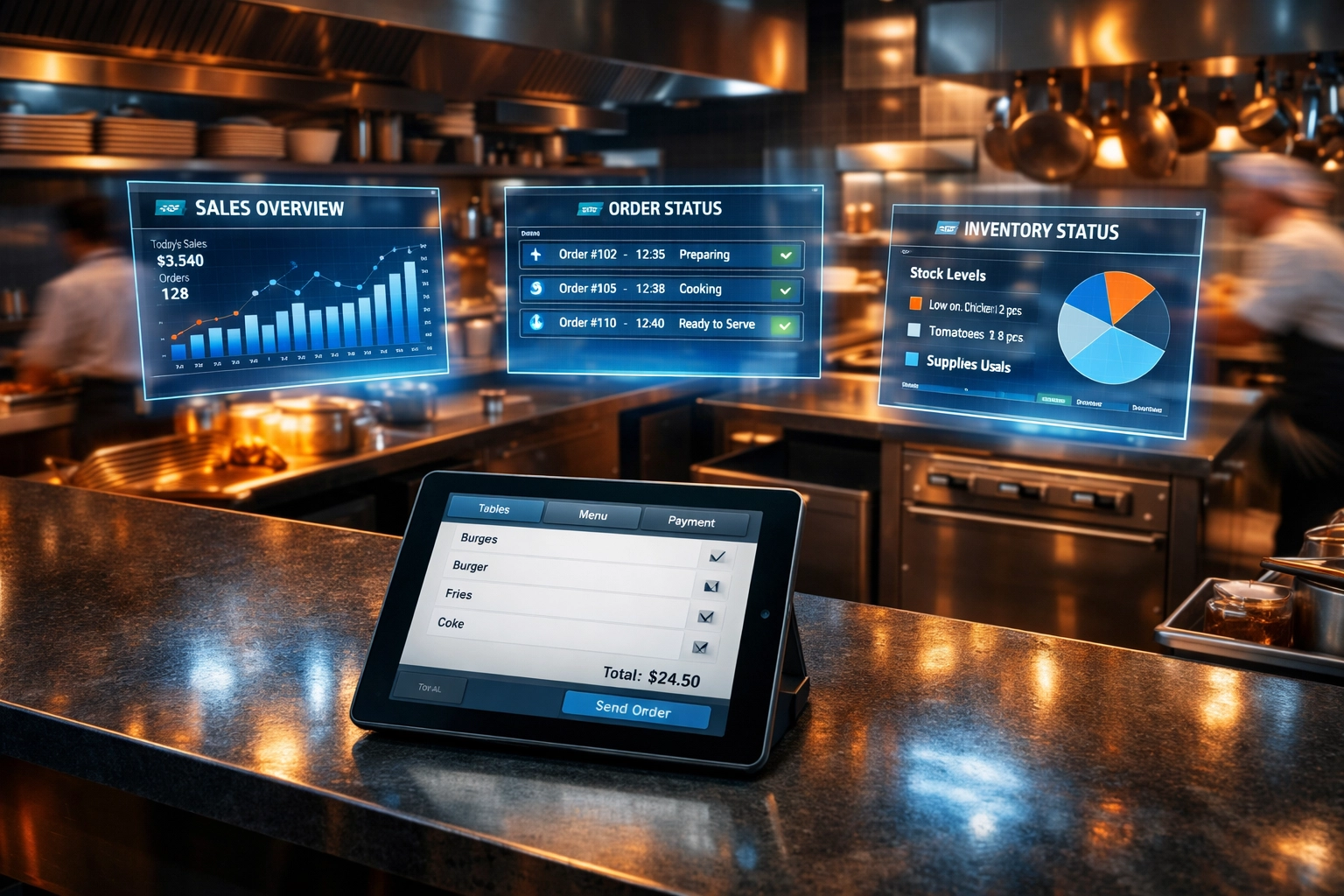
Here's what's happening behind the kitchen doors of restaurants that are absolutely printing money right now:
Smart POS Platforms (That Actually Work)
Forget the legacy systems that crash every Saturday night. The new generation of POS platforms, think Toast, Square for Restaurants, and Lightspeed, are doing things that would make your old system weep:
- Real-time labor cost tracking against sales (so you know before you're bleeding money)
- Integrated ordering across dine-in, takeout, and delivery (one system, not three tablets)
- Menu engineering insights that tell you which dishes make money and which are just taking up real estate
The top independents aren't using some obscure tech here. They're just using the right mainstream tech and actually leveraging all the features they're paying for. (Radical concept, I know.)
Predictive Inventory Tools
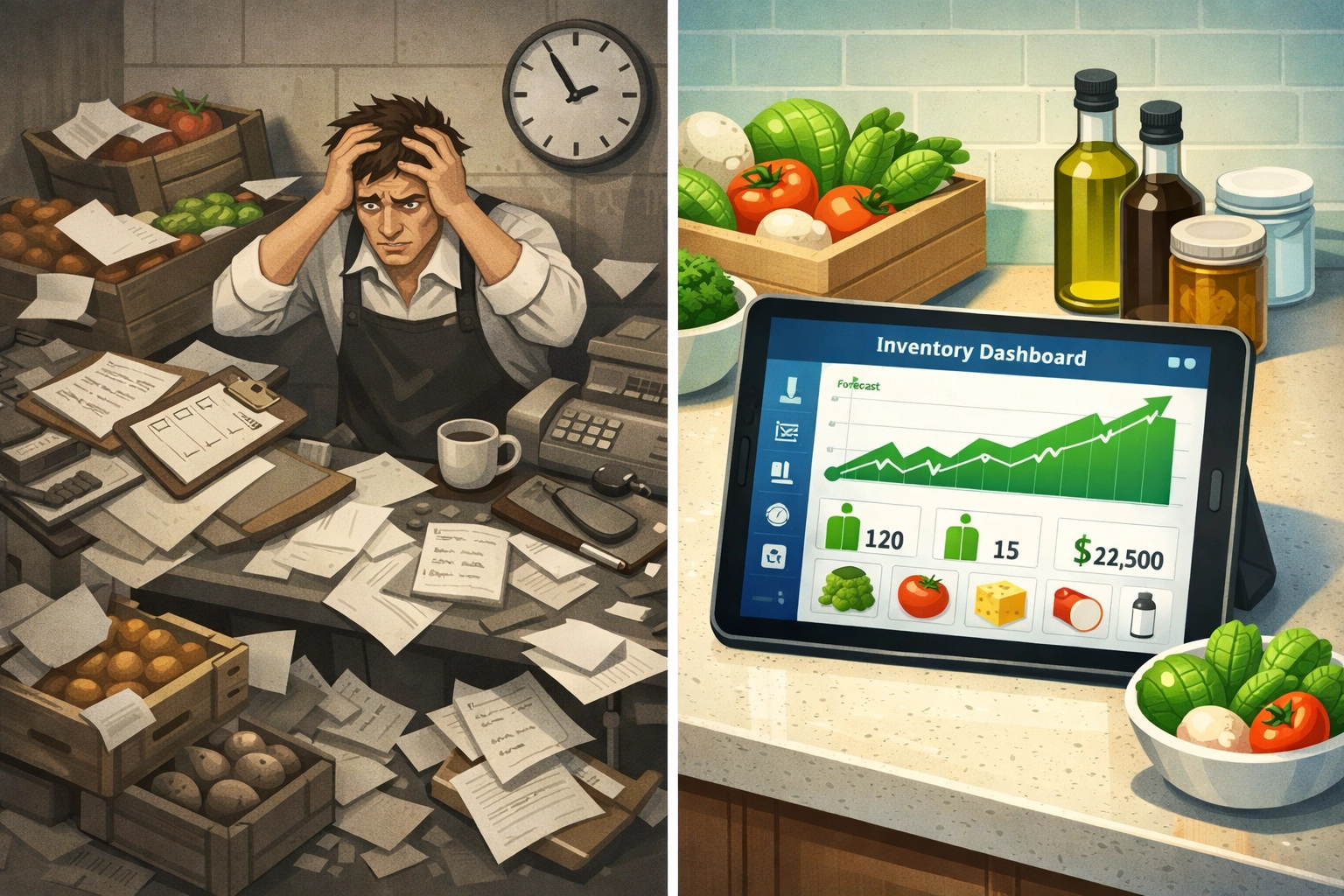
This is where it gets fun. While you're doing inventory counts every Sunday with a clipboard and a hangover, the smart operators are using systems that predict what they'll need before they need it.
These tools analyze:
- Historical sales patterns
- Weather forecasts (yes, really, rain means more soup orders)
- Local events (concert at the arena? Order more wings)
- Day-of-week trends
The result? Less waste, fewer "86" calls during service, and better cash flow. It's not sexy, but it's profitable. And profitable is the new sexy.
Customer Data Platforms (Not CRM, CDP)
Here's where independents are getting sneaky. They're building customer data platforms that would make a chain jealous.
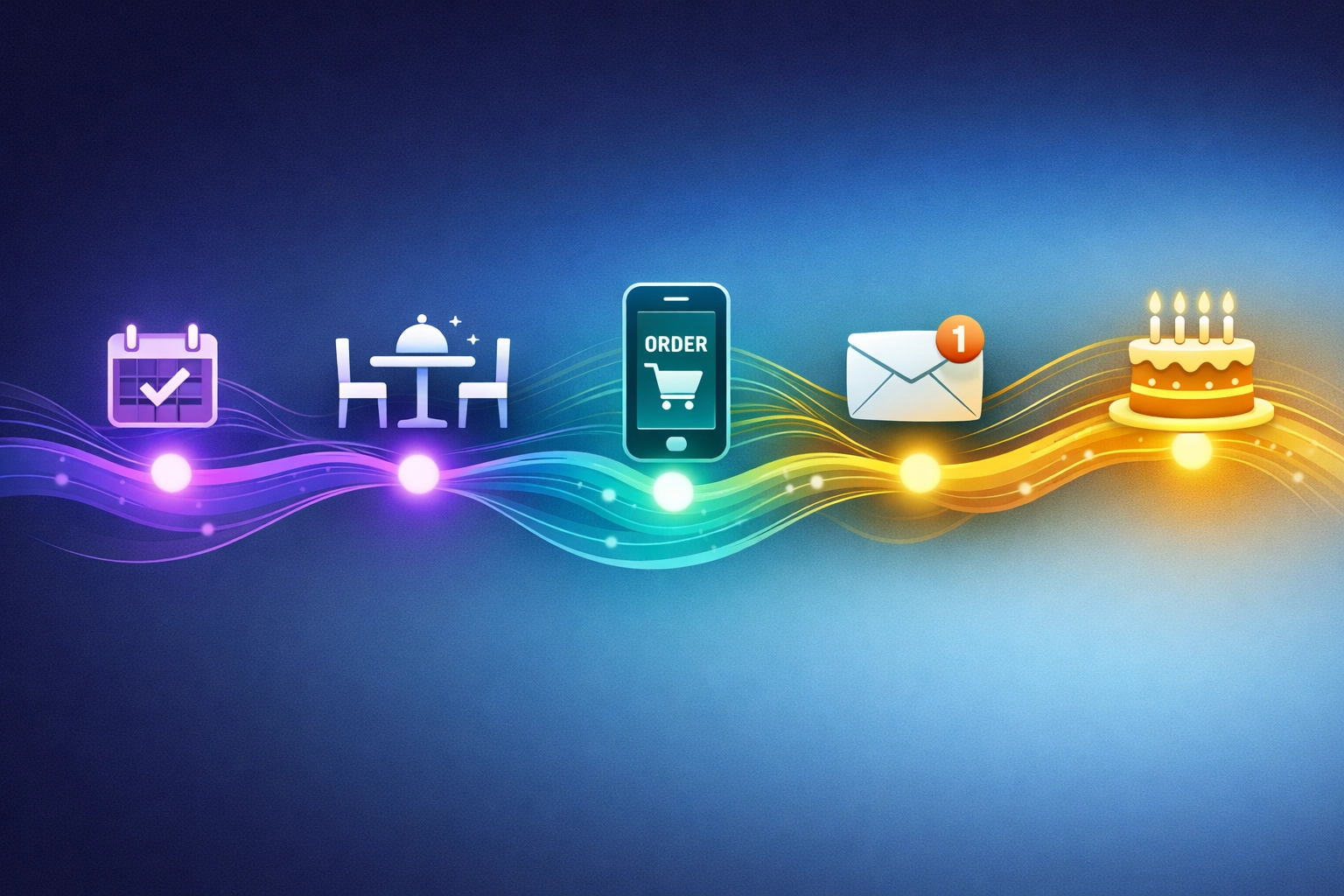
A CDP isn't just collecting emails for your monthly newsletter (though please, for the love of margins, do that too). It's unifying every customer touchpoint:
- Reservation history
- Online ordering preferences
- Dining frequency
- Average check size
- Special occasions and dietary restrictions
Then, and this is the magic, it uses that data to automate personalized marketing. Birthday month? Auto-send a 20% off offer. Haven't seen someone in 60 days? Trigger a "we miss you" campaign with their favorite dish.
According to Nation's Restaurant News, restaurants using unified customer data see 23% higher repeat visit rates. That's not a rounding error. That's real revenue.
Multi-Channel Order Aggregators
Let's talk about the elephant in the kitchen: third-party delivery.
You know what's killing independents? Managing five separate tablets for DoorDash, Uber Eats, Grubhub, Postmates, and whoever else decided to start a food delivery app last Tuesday.
The smart operators? They're using aggregator platforms that funnel all delivery orders into one system. Your kitchen sees one screen. Your staff doesn't lose their minds. Your order accuracy goes up.
Companies like ChowNow and Owner.com are making this stupidly simple. And guess what? Your commission fees go down when you're not scrambling to manage chaos.
The Subscription Model Nobody Talks About
Here's a weird one that's gaining serious traction: subscription dining programs.
Yes, like Netflix. But for your restaurant.
Top independents are creating member-only experiences:
- Early access to new menu items
- Exclusive chef's table events
- Priority reservations
- Monthly "subscriber specials"
Why does this work? Because it creates predictable revenue in an unpredictable industry. One restaurant in Chicago (who shall remain unnamed but definitely exists) generates $18,000 monthly from 150 subscribers at $120/year. That's baseline revenue before a single walk-in sits down.
Self-Service Kiosks (Without the Corporate Vibe)
I know, I know. You're thinking "kiosks are for fast food chains."
Wrong. (And I say that with love.)
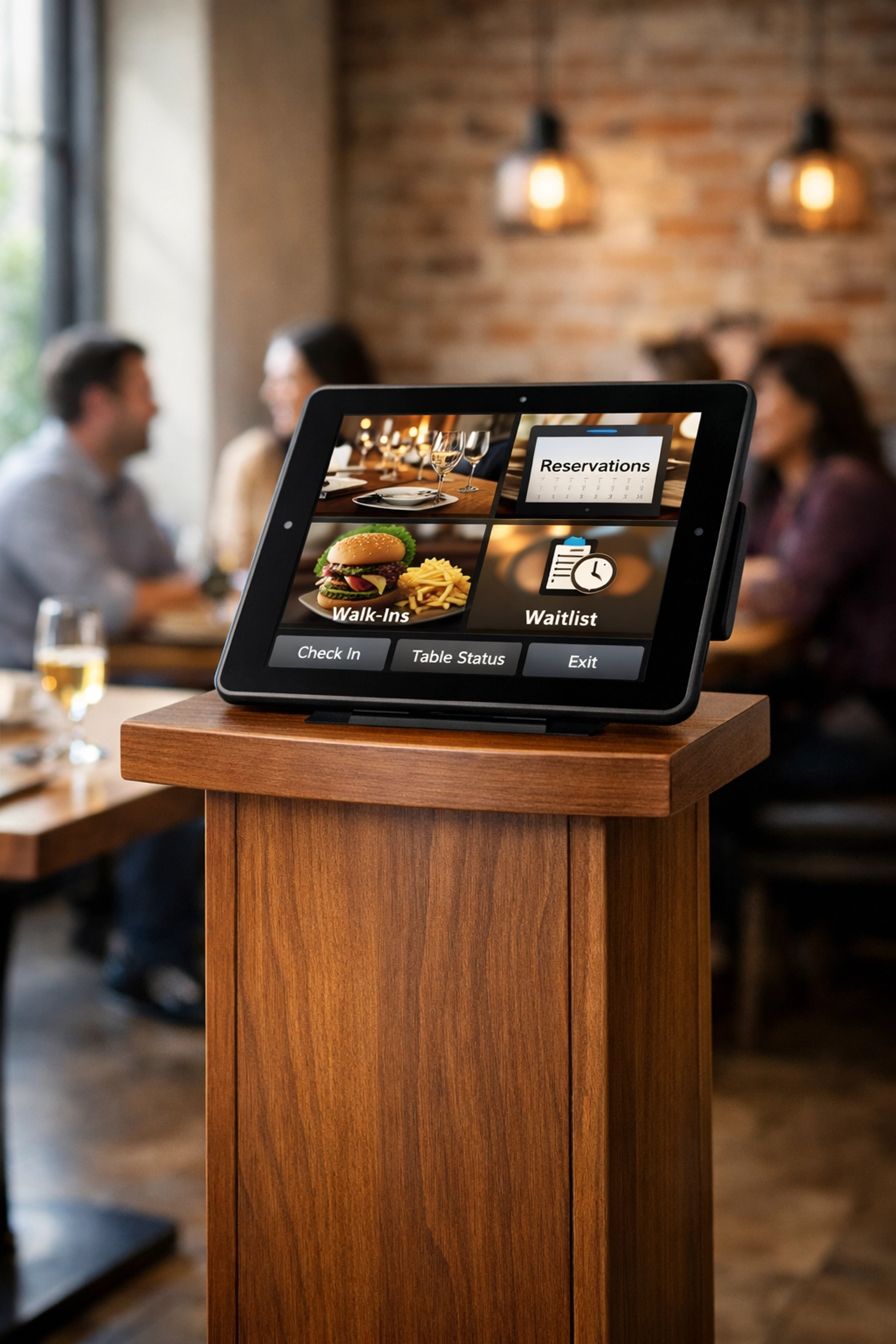
The new generation of self-service tech doesn't look like a McDonald's terminal. They're sleek tablets that can live on your host stand or bar, allowing customers to:
- Add their name to the waitlist
- Browse the menu while waiting
- Order drinks at the bar
- Split checks without flagging down a server
This isn't about replacing staff. It's about letting your staff focus on hospitality instead of repetitive tasks that a computer can handle better.
One operator told me their self-service setup reduced table turn time by 8 minutes. Over a full dinner service? That's an extra turn on every table. Do the math: it's bonkers.
The Real Secret Sauce
Here's what nobody wants to admit: The technology isn't the secret. Implementation is.
The top 100 independents aren't using magic tech from the future. They're using available, affordable technology and actually:
- Training their staff properly (shocking, I know)
- Reviewing the data weekly (not just glancing at reports once a quarter)
- Making decisions based on numbers (instead of gut feelings about what "seems" busy)
- Integrating systems so they talk to each other (one source of truth beats five competing spreadsheets)
According to Forbes, restaurants that actively use their tech stack see 41% better operational efficiency. That translates to real money in your pocket.
What You Should Actually Do
Stop looking for the secret weapon. Start using the weapons you already have (or can easily get):
This month:
- Audit your current POS: are you using 20% of its features or 80%?
- Set up basic customer data collection (even just email + phone + birthday)
- Consolidate your delivery partners into one management system
Next quarter:
- Implement predictive inventory (even a simple version beats guessing)
- Create one automated marketing campaign based on customer behavior
- Test self-service options for your highest-friction points
This year:
- Build a subscriber/member program (even 50 subscribers = $6,000 baseline revenue)
- Integrate all your systems so they share data
- Train your team to actually use the tech (not just tolerate it)
The Bottom Line
The top independent restaurants aren't using technology you've never heard of. They're using technology you've heard of but ignored because it seemed too complicated, too expensive, or too "corporate."
Plot twist: It's none of those things anymore.
The real question isn't whether the tech exists. It's whether you're brave enough to stop doing things the hard way just because "that's how we've always done it."
(Spoiler: Your competition already made that decision. And they're eating your lunch. Literally.)
Keywords: restaurant technology, independent restaurant tech, POS systems, predictive inventory, customer data platform, restaurant automation, delivery aggregation, subscription dining, self-service kiosks, restaurant efficiency, data-driven restaurants, restaurant management systems
Tags: Robert Kuypers, Robert William Kuypers, William Kuypers, Rob Kuypers, restaurant consulting, restaurant technology, independent restaurants, operational efficiency, restaurant innovation
Meta Description: Top independent restaurants are using technology you've heard of: but probably dismissed. Here's what they're implementing and why it's working.
Related Categories: Tech Innovation, Restaurant Growth Strategy, Data Analytics