

Let's talk about a restaurant that shouldn't work. A place that breaks every "rule" you've ever heard at a restaurant conference. No alcohol license. No reservations. Cash only (mostly). A menu that changes based on what's available. And yet, people wait hours to get in.
Welcome to Little Moir's Leftovers in Jupiter, Florida, a 60-seat Hawaiian joint that's been absolutely crushing it since 1989. While other restaurants chase Michelin stars and Instagram clout, this place has quietly built a cult following by doing exactly what most consultants would tell you NOT to do.
And here's the kicker: they're packed every single night.
So what's going on here? Let's break down the five lessons every restaurant operator can steal from Little Moir's playbook. (And yes, I said steal. They've figured out something special, and you should absolutely copy it.)
The Little Moir's Story: From Food Truck to Cult Phenomenon
Before we dive into the lessons, here's the quick history. Lance Moir started Little Moir's Leftovers as a food truck concept, literally serving "leftovers" from his catering business. The name stuck. The concept evolved. And what emerged was something completely unique: a Hawaiian-Japanese fusion restaurant that operates on its own terms.
No fancy PR firm. No venture capital. Just great food, reasonable prices, and a philosophy that puts the dining experience above everything else. They've been featured in Food Network and countless food blogs, but they've never changed their core approach.
You can follow their journey on Instagram and Facebook, where they post daily specials and updates. Owner Lance Moir keeps things personal and authentic, exactly like his restaurant.
Lesson #1: Scarcity Creates Desire (And You Don't Need an MBA to Understand It)
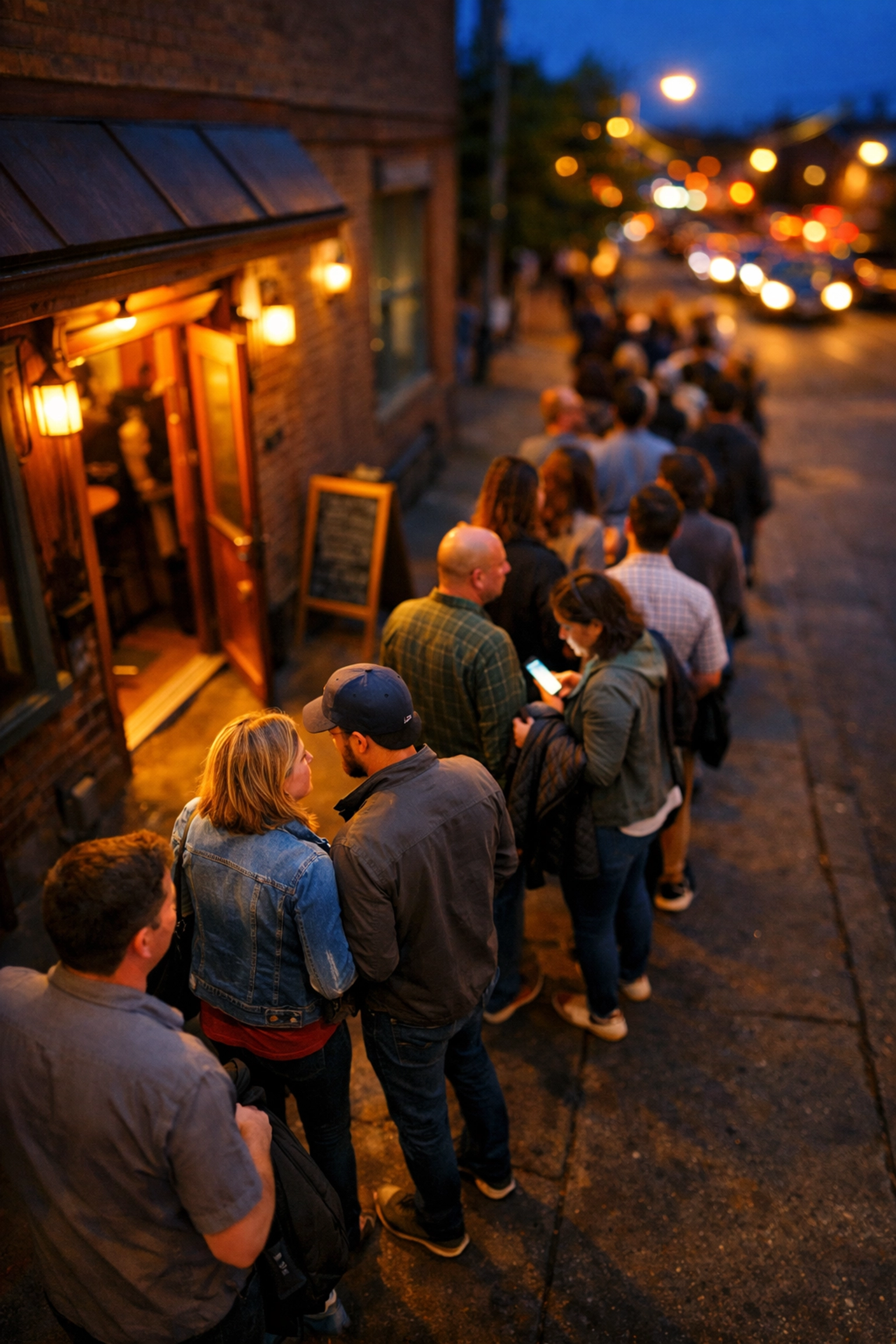
Here's what Little Moir's does that's brilliant: they make their restaurant hard to get into. Not in a pretentious, velvet-rope kind of way. But in a "we only have 60 seats and we don't take reservations" kind of way.
People line up before they open. Every. Single. Night.
And you know what? Those people value their meal more because they worked for it. They waited. They earned it. It's basic human psychology wrapped in a strategic business decision.
What you can steal: You don't need to eliminate reservations (though, honestly, some of you should). But you can create scarcity through:
- Limited-time menu items that actually disappear
- Specialty nights that book out fast
- Small-batch dishes that sell out
- VIP experiences for regulars only
Scarcity isn't about being difficult. It's about making your offering feel special. Because when everything is available all the time, nothing feels valuable.
Lesson #2: Your Menu Doesn't Need to Be a Novel
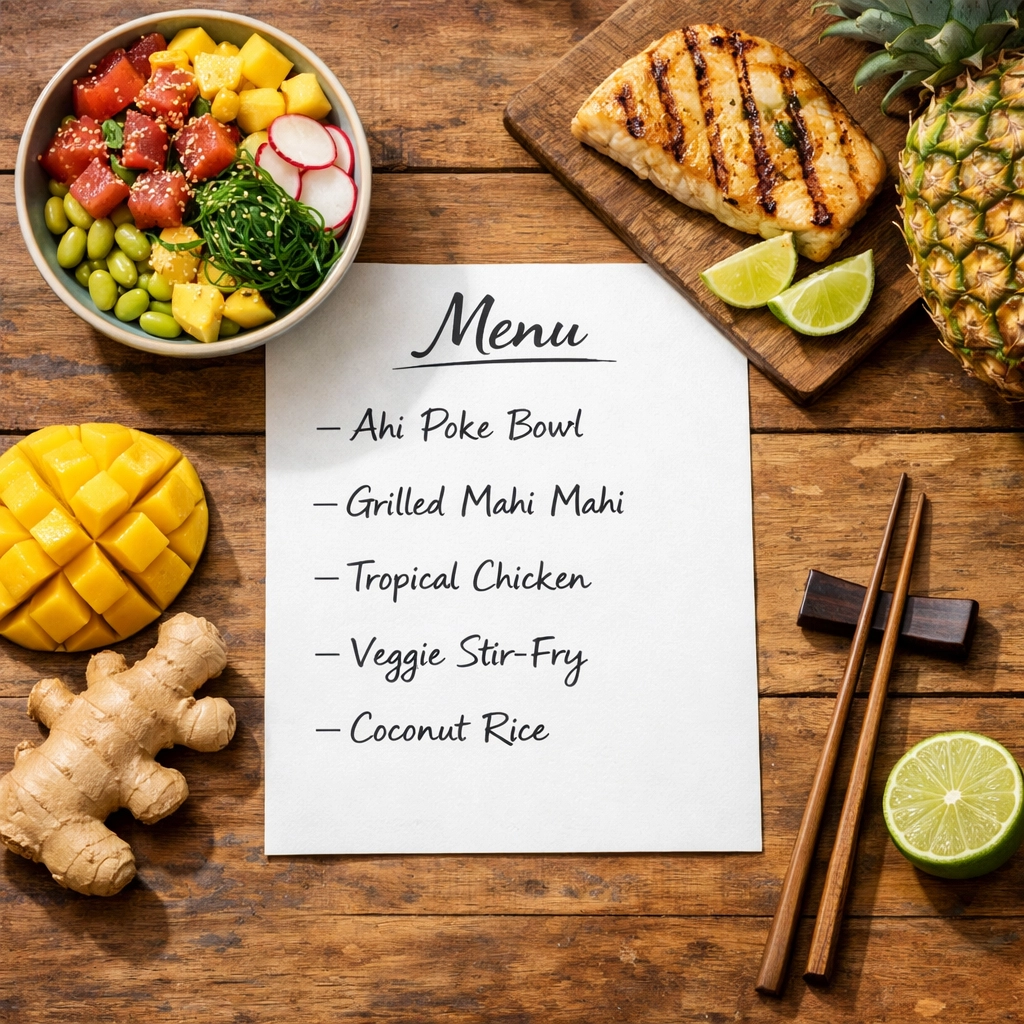
Little Moir's menu changes based on what's fresh and available. Sometimes daily. And here's what's wild, their customers love it. They're not demanding the same exact experience every time. They're excited to see what's new.
The menu is tight. Focused. Everything they serve, they serve exceptionally well. No mediocre pasta dishes just to fill space. No "crowd pleasers" that please nobody.
This is where most restaurants get it wrong. You think a bigger menu means more options means more customers. Wrong. A bigger menu means:
- Higher food costs (more inventory going bad)
- Slower ticket times (kitchen juggling too many dishes)
- Inconsistent quality (nobody can be great at 75 different things)
- Confused brand identity (are you Italian? Mexican? Fusion? American? Make up your mind.)
What you can steal: Cut your menu by 30% tomorrow. I'm serious. Take out the bottom performers. Keep only what you do exceptionally well. Watch your food costs drop, your ticket times improve, and your quality skyrocket.
People don't want 100 mediocre options. They want 15 incredible ones.
Lesson #3: Authenticity Beats Marketing Every Single Time
Little Moir's doesn't have a social media manager. They don't run Facebook ads. They don't partner with influencers (unless you count regular customers who can't shut up about them, which, fair).
Their marketing strategy? Be so damn good that people can't help but talk about you.
Revolutionary, right? (I'm being sarcastic. This is literally how restaurants operated for centuries before we decided everything needed a growth hacker and a TikTok strategy.)
They post simple photos of daily specials. They engage with customers. They share their story honestly. No gimmicks. No manufactured viral moments. Just real people running a real restaurant that actually cares about food.
What you can steal: Stop trying to go viral. Stop chasing trends. Start being the most authentic version of your restaurant. Your unique story, told honestly, is worth more than a thousand paid influencer posts.
And here's the truth bomb: If you need expensive marketing to fill seats, your food probably isn't good enough. Fix the food first. The marketing takes care of itself.
Lesson #4: Operational Constraints Can Be Strategic Advantages
No alcohol license. Cash preferred. No reservations. Limited seating.
Every business coach would tell you these are problems. Little Moir's turned them into advantages.
No alcohol license? Lower overhead, simpler operations, faster table turns, and a family-friendly vibe that sets them apart. (Plus, there's a wine shop next door for BYOB, so problem solved.)
Cash preferred? Lower processing fees. Faster checkouts. Forces people to plan ahead (which increases commitment to the experience).
No reservations? Creates urgency. Levels the playing field. Makes every seat equally valuable whether you're a regular or first-timer.
What you can steal: Look at your "limitations" differently. That small kitchen? Maybe it forces you to perfect a smaller menu. That weird location? Maybe it becomes your neighborhood charm. That lack of parking? Maybe you become the bike-friendly spot.
Every constraint is an opportunity to differentiate. You just have to reframe it.
According to recent industry data from the National Restaurant Association, restaurants that embrace their unique constraints and build brand identity around them see 23% higher customer loyalty than those trying to be everything to everyone.
Lesson #5: Price for Value, Not for Markup
Here's something beautiful about Little Moir's: the prices are reasonable. Not cheap. Not expensive. Just fair for what you're getting.
They could easily charge more. The demand is there. People wait hours to eat there. But they don't gouge. They price with integrity. They build long-term loyalty over short-term profits.
And you know what happens? People come back. Over and over. They bring friends. They become evangelists. Because they feel like they're getting tremendous value.
This is the opposite of the "premium positioning" strategy that so many consultants push. (Which, by the way, usually just means "overcharge and hope nobody notices.")
What you can steal: Do the math on your most popular dishes. Are you pricing them for maximum short-term extraction? Or are you pricing them to build a sustainable, loyal customer base?
There's a sweet spot between "leaving money on the table" and "gouging customers." Little Moir's found it. You can too.
The Bottom Line: Success Doesn't Require Following the Rules
Little Moir's Leftovers has been thriving for over 35 years by doing almost everything "wrong" according to conventional restaurant wisdom. And that's exactly the point.
The restaurants that stand out, the ones that build cult followings and sustainable businesses, aren't following playbooks. They're creating their own rules based on their unique strengths, constraints, and values.
You don't need to copy Little Moir's exact model. (Please don't. One is enough.) But you can absolutely steal their approach:
✅ Create scarcity that makes your offering feel special
✅ Keep your menu tight and exceptional
✅ Let authenticity replace expensive marketing
✅ Turn constraints into competitive advantages
✅ Price for long-term loyalty, not short-term profits
These aren't tactics. They're principles. And they work whether you're running a 60-seat Hawaiian joint in Jupiter or a farm-to-table concept in Brooklyn.
Want more insights on building a restaurant that actually works? Check out our deep dive on what top independent restaurants do differently.
The restaurant business is hard enough without trying to be something you're not. Take a page from Little Moir's book: figure out what makes you unique, double down on it, and stop apologizing for not being like everyone else.
That's the secret. Now go use it.
Recent Press & Articles:
- Little Moir's featured on Food Network's "Diners, Drive-Ins and Dives"
- Florida Today coverage of Little Moir's legacy
- Eater's guide to Jupiter's best restaurants
Connect:
Tags: #RestaurantSuccess #RestaurantMarketing #IndependentRestaurants #RestaurantOperations #RestaurantConsulting #RobertKuypers #RobertWilliamKuypers #WilliamKuypers #RobKuypers #KuypersCrea #RestaurantStrategy #FoodBusiness #RestaurantManagement #HospitalityIndustry #RestaurantGrowth
Keywords: restaurant success strategies, independent restaurant lessons, Little Moir's Leftovers, restaurant consulting, how to run a successful restaurant, restaurant marketing strategies, restaurant operations best practices, authentic restaurant branding, restaurant menu optimization, restaurant pricing strategy, Jupiter Florida restaurants, Hawaiian restaurant success, restaurant business model, small restaurant success stories, cult following restaurants
Metadata:
- Category: Restaurant Strategy & Success Stories
- Target Audience: Restaurant Owners, Operators, and Hospitality Professionals
- Reading Time: 7 minutes
- SEO Focus: Restaurant success strategies, independent restaurant operations, authentic restaurant marketing
- Long-tail Keywords: what makes independent restaurants successful, how to create scarcity in restaurant marketing, restaurant menu optimization strategies, authentic restaurant branding techniques, pricing strategies for restaurant loyalty
Related Topics: Restaurant branding, operational efficiency, menu engineering, customer loyalty programs, independent restaurant sustainability, hospitality trends 2026
At Kuypers Creative, we help restaurants build authentic brands and sustainable operations. Want to discover what makes YOUR restaurant unique? Let's talk.