

Today, February 12, 2026, the National Restaurant Association dropped their annual "State of the Industry" report like a bomb made of spreadsheets and optimism. And let me tell you, the numbers are wild.
We're talking $1.55 trillion in projected sales for 2026. That's trillion. With a T. As in, if you converted that to tacos at $3 a pop, you'd have roughly 516 billion tacos (okay, I said 1.5 trillion in the title for dramatic effect, sue me). If those were pennies, we'd literally drown in copper. If they were actual tacos, we'd solve world hunger and create a new one: taco disposal.
But behind this delicious, dizzying number lies a restaurant industry that's simultaneously thriving and gasping for air. So let's break down what this report actually means for operators, owners, and anyone trying to keep a kitchen running in 2026.
The Billion with a T: What $1.55 Trillion Actually Means
According to the National Restaurant Association's 2026 report, we're looking at record-breaking sales. But here's the thing about big numbers: they're great for press releases and terrible for understanding what's happening on the ground.
Yes, sales are up. Consumer demand remains strong. People still want their burritos, their artisanal pizzas, their overpriced craft cocktails with hand-chipped ice. The appetite is there. The problem? So are the costs.

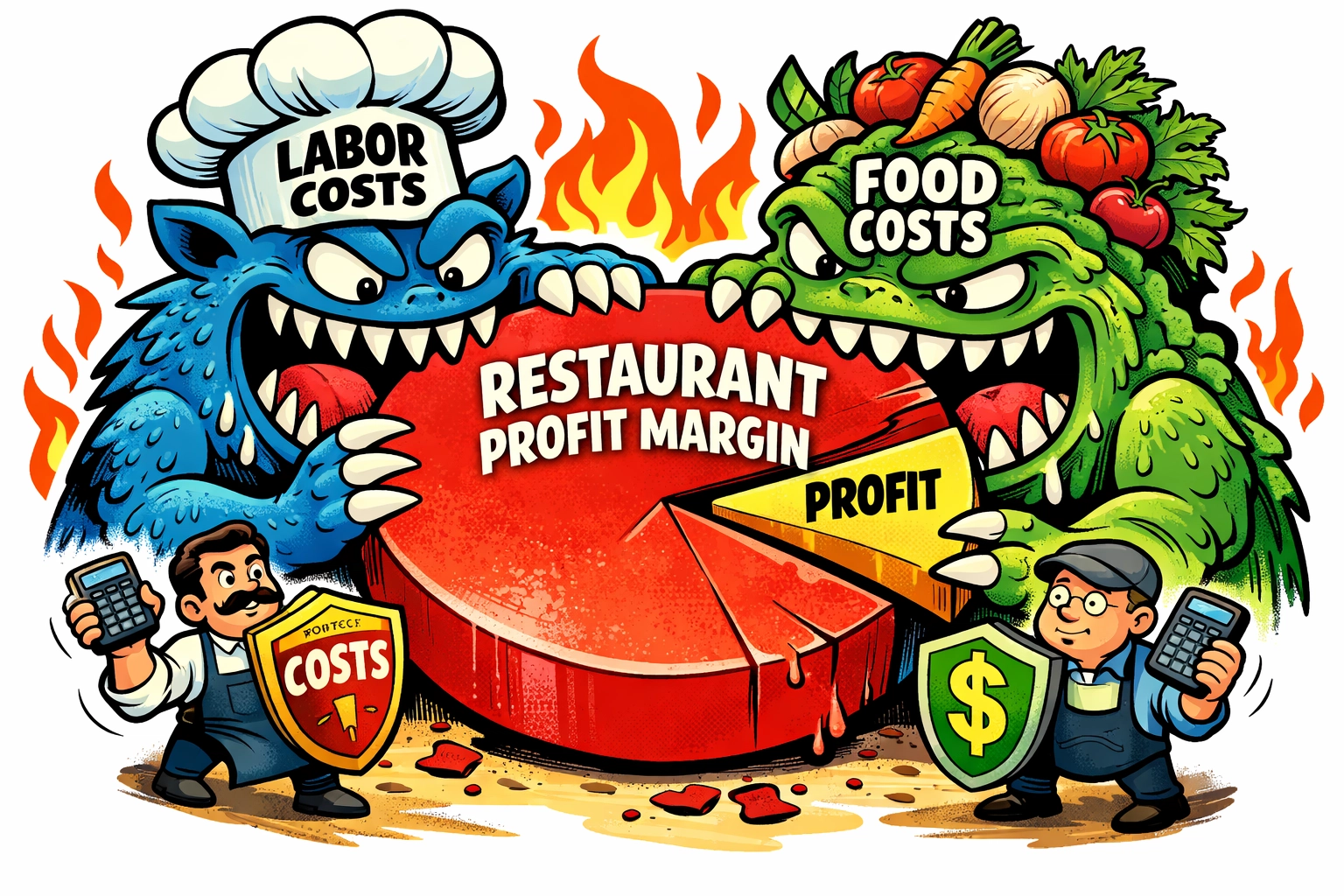
The report doesn't just celebrate growth, it waves red flags about persistent cost increases that are eating into margins faster than a health inspector spots a mouse. Labor costs are up. Food costs are up. If it can go up, it went up. The only thing not rising? The number of qualified people who want to work in restaurants.
The Workforce Hunger Games: Finding Unicorns in a Desert
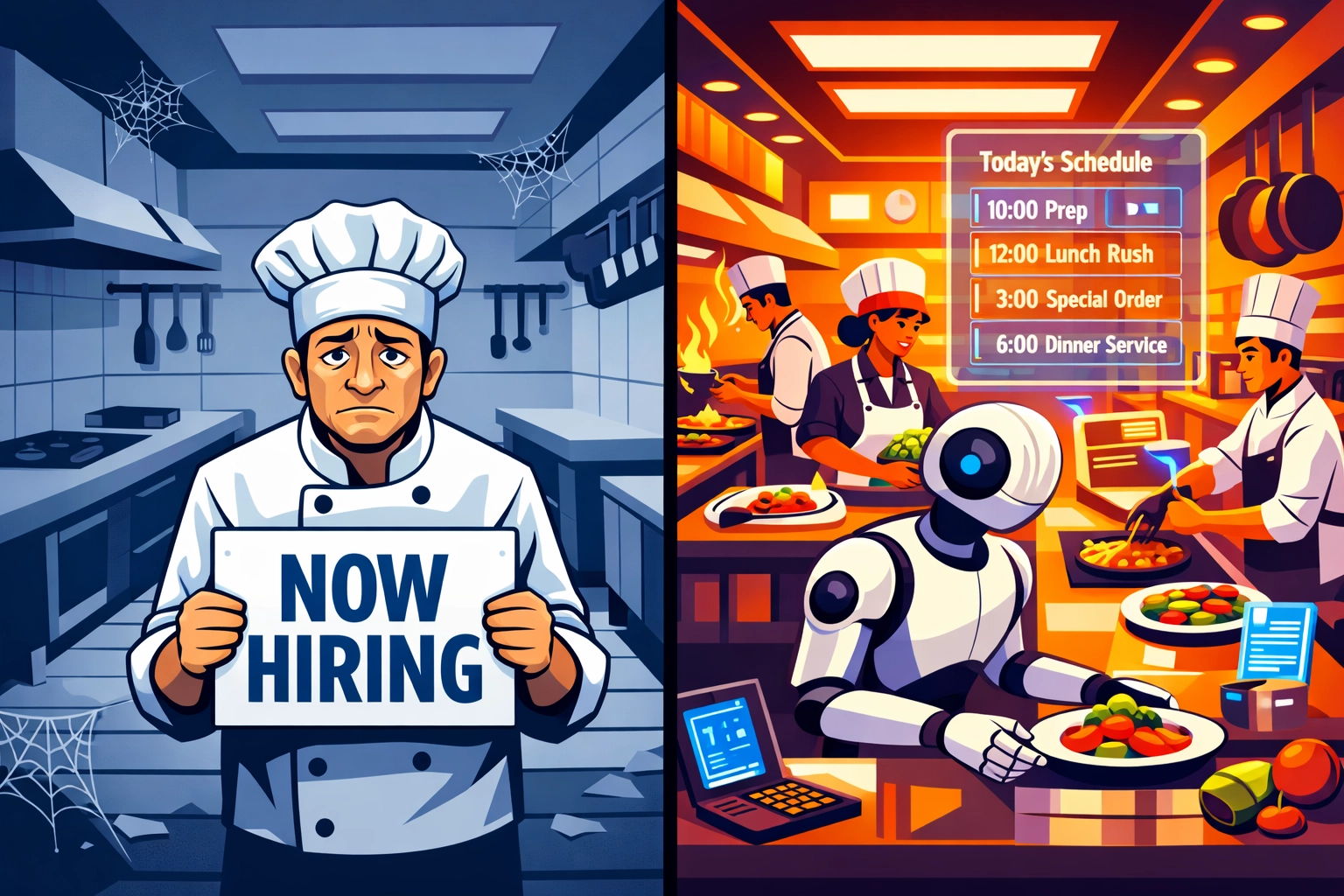
The industry is projected to add 100,000 jobs in 2026. Sounds great, right? More jobs, more growth, more everything!
Except nobody can find workers.
Or more specifically, nobody can find experienced workers who don't want to be paid in cryptocurrency and Instagram exposure. FSR Magazine's labor report describes it perfectly: "Restaurant Labor in 2026 Becomes a Race to Do More With More."
More what, exactly? More technology, more automation, more efficiency per person, more creative compensation packages, more begging on LinkedIn for a line cook who shows up on time.
The reality is brutal: experienced talent is scarce, expensive, and getting courted by every ghost kitchen and celebrity chef concept within a 50-mile radius. The solution isn't just throwing money at the problem (though competitive wages help). It's about:
- Creating better workplace cultures (crazy concept, right?)
- Offering flexible scheduling that respects people's lives outside of kitchen whites
- Investing in training programs instead of expecting every hire to come fully formed
- Using technology to reduce grunt work and burnout
Because here's the truth: you can't scale a $1.55 trillion industry on burnout and broken dreams.
The Gen Z Takeover: Your Dining Room Is Now an App
If you're an operator who still thinks "dining experience" means linen tablecloths and sommeliers, I have news: you're extinct. You just don't know it yet.
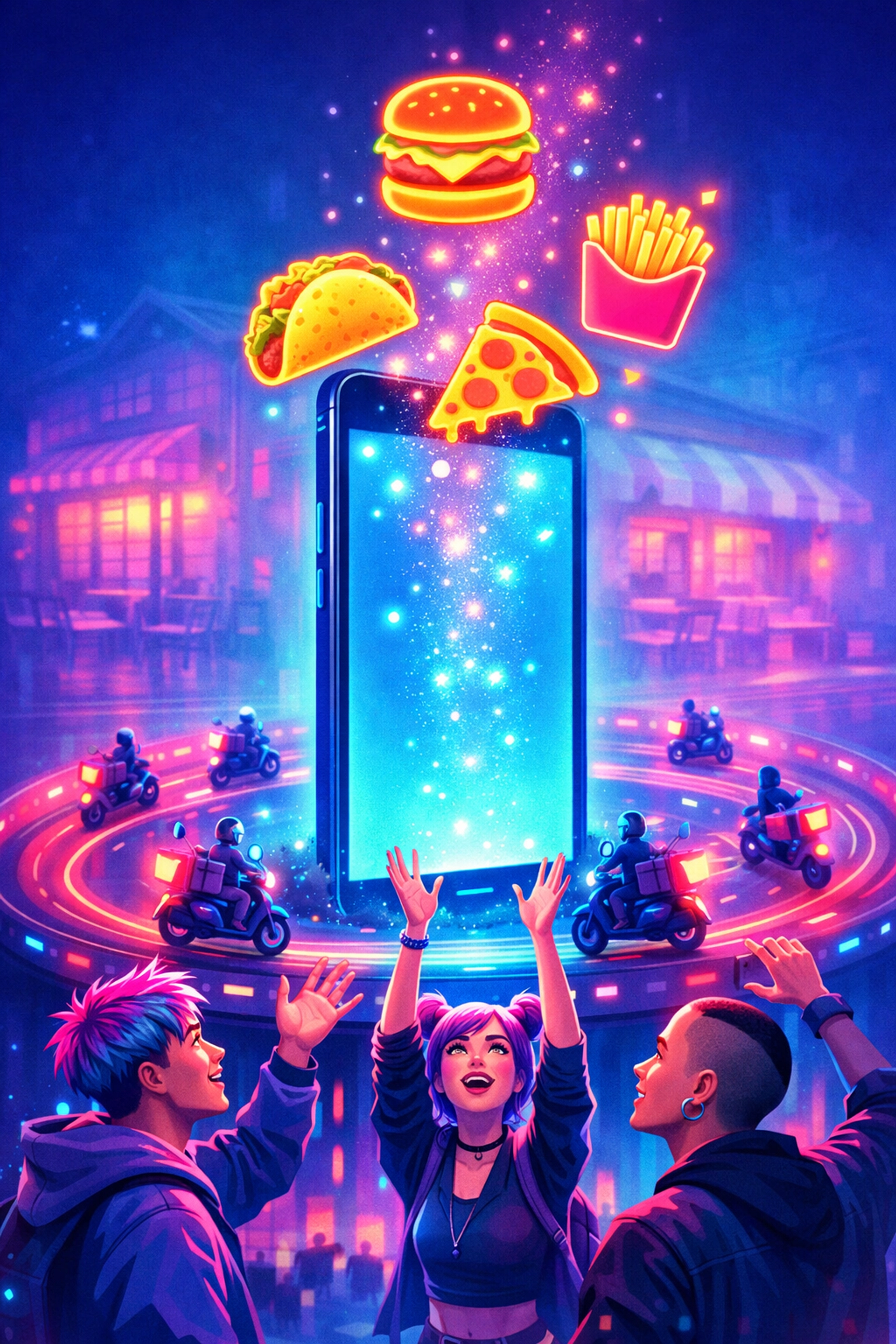
Gen Z, that army of digital natives born after 1997, has fundamentally changed what "going out to eat" means. Spoiler alert: it doesn't mean going anywhere. TouchBistro's State of Restaurants Report confirms what we all suspected: off-premises dining is the new dining.
Delivery, takeout, curbside pickup, ghost kitchens, virtual brands operating out of your actual kitchen, this is the new normal. If your restaurant doesn't have a robust digital presence (and I mean more than just a Facebook page your nephew set up in 2019), you basically don't exist to an entire generation of diners.
This isn't about abandoning dine-in. It's about recognizing that your restaurant is now omnichannel whether you like it or not. That means:
- Mobile-optimized ordering that doesn't make people want to throw their phones
- Loyalty programs that actually reward frequency
- Social media presence that shows you're alive and not run by robots (unless you are, in which case, commit to the bit)
- Delivery partnerships that don't completely murder your margins
The operators winning in 2026 aren't choosing between dine-in and off-premises. They're mastering both, and using technology to make it seamless.
The Cost Crunch: Monsters Under Every Operator's Bed
Let's talk about the elephant in the kitchen: costs are eating you alive.
Labor costs? Up. Food costs? Up. Rent? Up. Utilities? Up. The cost of pretending everything is fine? Immeasurable.
According to the industry data, labor and food costs are the twin monsters keeping operators up at night. These aren't new problems, they're just getting worse, faster. Here's what smart operators are doing:
On the Labor Front:
- Cross-training staff so one person can cover multiple roles (without burning them out)
- Investing in kitchen automation for repetitive tasks (hello, burger-flipping robots)
- Optimizing scheduling software to match labor to actual demand patterns
- Creating incentive programs that reward efficiency and retention
On the Food Cost Front:
- Menu engineering that focuses on high-margin items (every menu has heroes and zeros)
- Strategic vendor relationships with backup suppliers for key ingredients
- Portion control systems that prevent waste without making customers feel robbed
- Dynamic pricing during peak vs. off-peak times (surge pricing, but make it dinner)
The operators who survive 2026 aren't the ones with the deepest pockets. They're the ones with the tightest operations and the smartest systems.
Strategic Advice: Bridging Engineering and Executive Vision
Here's where Kuypers Creative comes in (hi, that's us). The gap between what technology can do and what restaurant executives understand it can do is roughly the size of the Grand Canyon.
You've got tech vendors promising the moon with AI-powered this and blockchain-enabled that. You've got executives who just want to know if it'll help them hit next quarter's numbers. And in the middle? Usually chaos, miscommunication, and a lot of wasted money.
The real strategic advantage in 2026 isn't just having technology: it's having technology that actually serves your growth strategy. That means:
- Understanding your actual bottlenecks (not what you think they are)
- Selecting tools that solve real problems (not just shiny objects)
- Training your team to actually use the systems you implement
- Measuring ROI in ways that matter (customer satisfaction, labor hours saved, margin improvement)
Think of it like this: technology is the engine, but strategy is the map. Without both working together, you're just burning gas in the parking lot.
The Bottom Line (Pun Intended)
The 2026 State of the Industry report paints a picture of an industry that's simultaneously booming and barely holding on. Sales are at record highs, but so are costs. Consumer demand is strong, but so is competition. Technology offers solutions, but also creates new complexities.
The winners in this environment won't be the biggest or the flashiest. They'll be the smartest operators who:
- Master both on-premises and off-premises dining
- Treat labor as an investment, not just a cost
- Use technology strategically, not desperately
- Keep margins healthy through operational excellence
- Adapt faster than their competition
If you're reading this and thinking, "Cool story, but I have no idea where to start": that's exactly why we exist. We help restaurants bridge that gap between where you are and where you need to be, without the BS or the billion-dollar consultant fees.
Because at the end of the day, $1.55 trillion is just a number. What matters is whether your restaurant is getting its fair share: and whether you can keep it.
Now if you'll excuse me, I suddenly have a craving for tacos. About 516 billion of them.
Want to stay ahead of industry trends and get strategic insights delivered to your inbox? Check out our newsletter for more no-BS restaurant industry analysis.
#RestaurantTrends2026 #IndustryNews #FoodService #GenZ #KuypersCreative #RestaurantMarketing #TechIntegration